Custard tart - video recipe !


The custard tart is famous all around the globe : flan pâtissier in France, Pasteis de nata in Portugal or pinyin dàn tà in China, everyone loves it ! This recipe is inspired by the french pastry flan, and will make a change in your way of baking custard tart !
Ingredients
8
Preparation
Preparation15 min
Cook time45 min
 Pour the milk in a pot and make it boil with the sliced vanilla pod.
 Meanwhile, mix together the eggs, the sugar and the cornflour, to get a creamy batter.
 Once the milk has boiled, add it to the mix while whisking.
 Put it all back on heat (at medium temperature), and thicken it while stirring for about 15 minutes.
 Put your pastry sheet in a baking mold, then pour the custard in it.
 Bake for 45 minutes at 360°F (180°C)
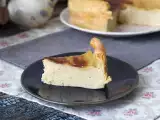
 There you are, your "flan pâtissier" is ready ! Bon appétit !
FAQ ❓
What is the secret to a perfect custard tart?
The key to a perfect custard tart lies in the balance of ingredients and the cooking technique. Ensure you whisk the mixture thoroughly and cook it gently to avoid curdling the eggs.
Can I use different flavors for the custard tart?
Absolutely! You can experiment with flavors like chocolate, lemon, or almond by adding extracts or zest to the custard mixture.
How do I know when the custard tart is done baking?
The custard tart is done when the edges are set but the center still has a slight jiggle. It will continue to firm up as it cools.
What can I serve with custard tart?
Custard tart pairs wonderfully with fresh fruits, whipped cream, or a drizzle of caramel sauce for added flavor and presentation.
Can I make custard tart ahead of time?
Yes, you can prepare the custard tart a day in advance. Just store it in the refrigerator and serve it chilled or at room temperature for the best taste.
 PetitChef_Official
 You may like

Pink banana custard and maqui berry cream tarts

Portugese egg custard tarts

Freddy?s Frozen Custard
Lactose-free custard flan

Caramel custard

Blueberry almond custard tart

Fresh Strawberry Vanilla Custard Cream tarts & Happy Easter!

Pancakes with Custard Filling

Mixed fruit custard with a twist

Las gachas, a spanish custard - video recipe !

Jelly custard

Homemade tau foo fah soymilk custard
Questions
Photos of members who cooked this recipe
Comments
Rate this recipe:
3.5/5, 2 votes
Rate this recipe