Semi Homemade Peach Cobbler for "National Peach Cobbler Day"

 Today is National Peach Cobbler Day! I made this cobbler over the weekend and it was so yummy. Who doesn't like cobbler!! peach, cherry, apple blackberry or even strawberry whatever flavor it is, it's always a nice treat. I call this Semi Homemade Peach Cobblerbecause the pie crust is not homemade and the peaches are canned instead of fresh. To me there are two types of cobblers one with a biscuit crust topping and the second using a pie crust. My husband prefers the pie crust and he always wants a double crust instead of just a single top crust. It really comes down to your own preference or how you were taught to cook cobbler. Me, now I love it both ways cobbler cobbler any way you bake it, it's for me. If you are wanting a quick dessert recipe that you can just toss together or you have some canned peaches that need to be used up, then this would be the perfect recipe. Happy Peach Cobbler Day!
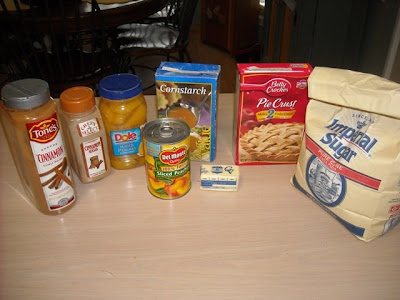 These are the ingredients you will need:Cinnamon, sugar, peaches, cornstarch, double pie crust, butter and cinnamon sugar.
 To start Preheat oven to 450*
 Prepare your pie crust according to package directions. Or you can just use the roll out Pillsbury pie crust both are fine. I really do like the Betty Crocker boxed pie crust it is so light and flaky and is pretty cheap in price.
  Add one layer of pie crust to a greased 8x8 baking dish.
  Ummm love those peaches especially the dole brand they taste the closest to fresh. Drain the peaches and reserve the juice into a medium size pan.
  In a medium size pan or bowl mix sugar, cinnamon and cornstarch together.
  add the dry mixture to the pan of peach juice. Gradually bring to a boil. Boil 1 minute stirring constantly.
  It will really start to thicken up.
  Add the hot mixture to the peaches
 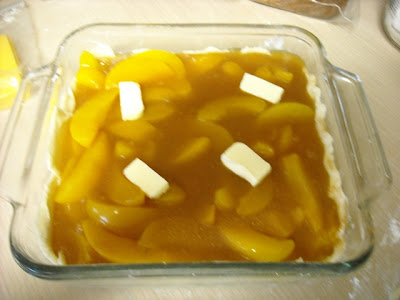 and pour into a 1 ½ qt or 8x8 pasty lined baking dish. Dot with butter sprinkle with cinnamon sugar. (no rule of thumb here as much as you like.
  add your second pie crust over the peaches. Brush with melted butter and sprinkle with plain sugar or cinnamon sugar. Cut a few slits into the top crust to vent the air.
 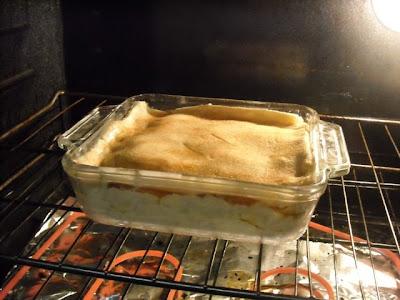 Bake 25-30 minutes or until golden brown and bubbly.
  Let cool and serve with vanilla ice cream.
 Semi Homemade Peach Cobbler1 ? 29 oz can Sliced Peaches in syrup
2/3 ? 1 Cup Sugar
2 T. Corn Starch
2 T. Butter
½ tsp Cinnamon
cinnamon sugar
Ready Made Pie Crust (Double Crust)
Preheat oven to 450* Grease baking pan and line with one single pie crust. Drain peaches and reserve liquid. In a medium size pan mix sugar, cinnamon and cornstarch. Stir in reserved peach juice/syrup. Gradually bring to a boil. Boil 1 minute stirring constantly. Add peaches and pour into a 1 ½ qt or 8x8 pasty lined baking dish. Dot with butter sprinkle with cinnamon. Top with second crust, brush with melted butter and sprinkle a little cinnamon sugar on top. Bake 25-30 minutes.
Print this recipe
 The Mom in Mommy's Kitchen
Mommy's Kitchen
Comments