How Grandma gets rid of ants in the kitchen: simple, practical tips you can try at home today
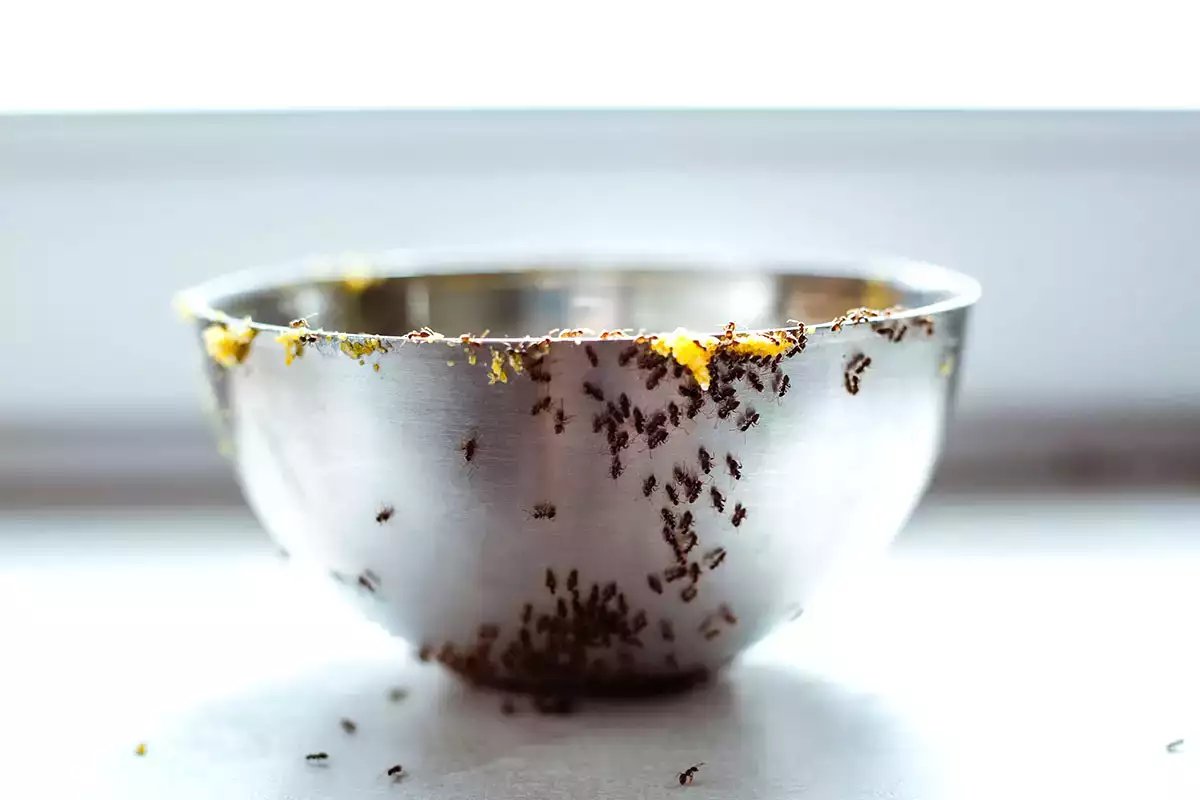
When ants take over the kitchen
Ants are experts at going unnoticed… until they find food.
The moment they discover sugar, crumbs, fruit, or even a forgotten drop of juice, they create a full-on communication network between the food source and the nest. And during spring and summer, their activity increases dramatically.
The kitchen quickly becomes their favorite target.
Faced with an invasion like this, most people immediately think of chemical insecticides. Fast, effective, problem solved.
Except there’s a downside.
Many of these products leave chemical residues on surfaces, release strong odors, and can be problematic in homes with kids or pets. That’s why more and more people are turning back to natural solutions that have been used for generations.
Simple ingredients. No complicated setup. And often, surprisingly effective.
Why natural solutions are making a comeback
Store shelves are full of ant sprays, traps, gels, and powders promising instant results.
And yes, many of them work.
But they also come with a few drawbacks:
- strong chemical smells
- toxic residues
- environmental impact
- risks for children and pets
Natural remedies, on the other hand, rely on ingredients most people already have at home. They’re inexpensive, easy to use, and much gentler in everyday living spaces.
And honestly, there’s something satisfying about solving a problem with a lemon instead of a hazardous warning label.
The best natural tricks to keep ants away
Your kitchen probably already contains several powerful ant repellents without you even realizing it. Here are some of the most effective natural methods worth trying.
Lemon
Lemon is one of the oldest tricks in the book. Its acidity and strong scent interfere with the pheromone trails ants use to communicate and navigate. You can:
- place lemon slices near entry points
- squeeze lemon juice along windowsills or door frames
- wipe surfaces with lemon water
Simple, fresh-smelling, and surprisingly effective.
Coffee grounds
Used coffee grounds work as a natural barrier ants tend to avoid. Instead of throwing them away, place small amounts:
- near doors
- close to cracks
- around areas where ants usually appear
Bonus: it’s also a great way to recycle kitchen waste.
Essential oils
Some scents are overwhelming for ants. Peppermint oil and tea tree oil are especially popular because their strong aroma disrupts ant trails. A few drops diluted in water can be sprayed around:
- countertops
- windows
- baseboards
- entry points
You can also soak a cotton ball with a few drops and place it near problem areas.
White vinegar
White vinegar is basically a multitasking kitchen hero. It cleans, disinfects, and helps repel ants at the same time. Spray a mixture of equal parts vinegar and water on surfaces where ants travel. It removes their scent trails and discourages them from coming back. And unlike chemical sprays, you’re also cleaning the kitchen while using it.
Baking soda and sugar
This combination is one of the most well-known natural ant tricks. The sugar attracts the ants. The baking soda disrupts their digestive system. Mix equal parts and place small bowls near ant trails or entry points. It’s simple but can be very effective when used consistently.
The mistake many people make
One of the biggest mistakes is using hot water or random DIY methods without understanding how ants operate.
If food sources remain accessible, ants will simply keep coming back.
That’s why natural solutions work best when combined with a few basic habits:
- wipe crumbs quickly
- seal food properly
- avoid standing liquids
- clean counters regularly
The goal isn’t just to repel ants temporarily, it’s to make the kitchen less attractive to them in the first place.
Small tricks that make a big difference
 Mirella Mendonça
Comments