Which eggplant should you use? The best varieties for parmigiana, grilling, pasta, and more
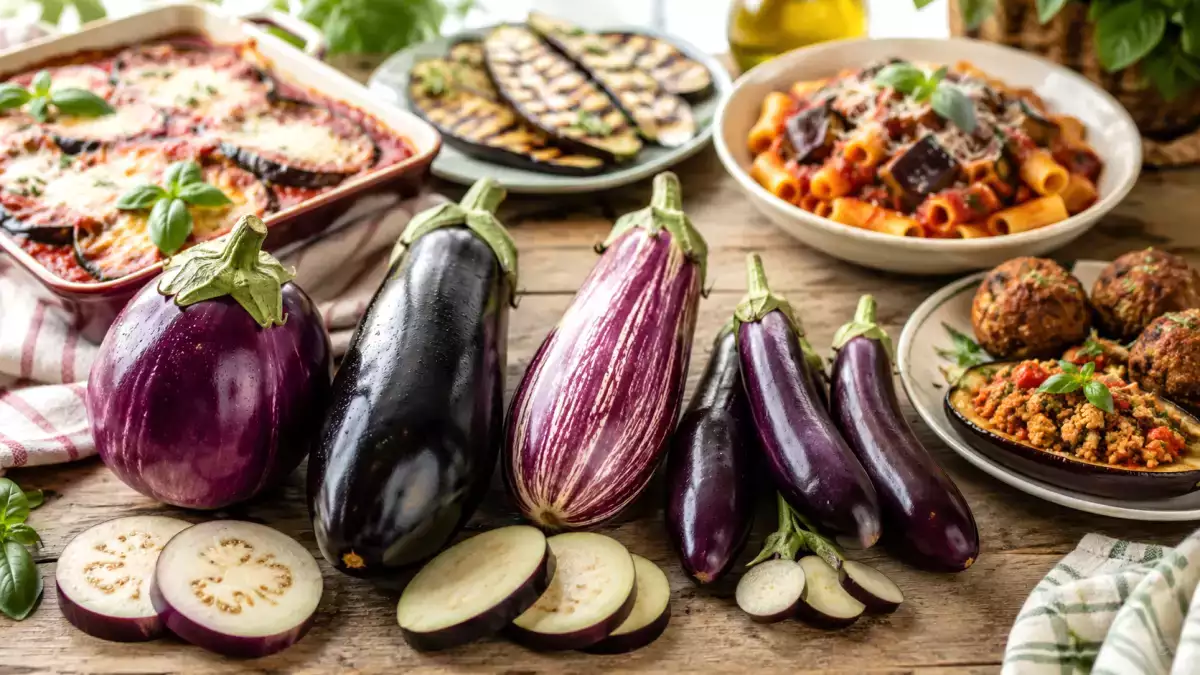
Choosing the right type can turn watery eggplant parmigiana into a soft, structured dish, a flat grilled side into something fragrant and flavorful, a pasta sauce into something creamier, and vegetarian patties into something much more satisfying.
In this guide, we’ll look at which eggplant to use for eggplant parmigiana, grilling, pasta, stuffed recipes, and fritters, with practical kitchen tips and zero complications.
Why does the type of eggplant really matter?
But the first step is actually choosing the right type for the recipe.
Some eggplants have firm flesh and fewer seeds. Others are spongier. Some become especially creamy when cooked. And that difference can decide whether the final dish is dry, soft, intense, or delicate.
A round eggplant can be perfect for eggplant parmigiana, while a long eggplant works beautifully on the grill. Small slender varieties cook quickly and look elegant, while striped eggplants have a more delicate flavor and a beautiful look on the plate.
In other words, the right eggplant does not make a big scene. It works quietly, but you notice it from the very first bite.
Which eggplant should you choose for eggplant parmigiana?
A round purple eggplant is often one of the best choices. It is meaty, regular in shape, and has flesh that becomes soft without falling apart immediately.
Classic globe eggplants, the large dark purple eggplants commonly found in U.S. grocery stores, can also work well, especially if they are firm, fresh, and not overly large.
The slices should be cut evenly. If they are too thin, they may disappear between the sauce and cheese. If they are too thick, the dish can feel heavy.
Which eggplant is best for grilling?
Long eggplants work very well here because they are easy to cut into even slices and their flesh handles direct heat nicely.
Japanese eggplants and Chinese eggplants are especially useful for grilling. They are long, slender, tender, and often have fewer seeds than large globe eggplants. They cook quickly and develop a lovely smoky flavor on the grill.
The key is to season them after cooking rather than drowning them in oil beforehand. A good grilled eggplant needs heat, patience, and a balanced finishing touch.
How do you choose eggplants for grilling?
If they are very large, they may contain more seeds and have a less delicate texture. And no, you do not need to soak them in oil. A good grilled eggplant should be tender and flavorful, not greasy.
A drizzle of olive oil, salt, herbs, lemon juice, or a simple vinaigrette after grilling is often enough.
The best eggplant for pasta and sauces
Globe eggplants are versatile and easy to find in the U.S. They can be cut into cubes, absorb seasoning well, and add a creamy texture that blends beautifully into tomato sauce.
Italian eggplants, which are usually smaller and slightly more tender than standard globe eggplants, are also excellent for pasta dishes.
For more delicate recipes, striped eggplants can be a great choice. They tend to have a milder, slightly sweeter flavor and pair well with fresh tomatoes, basil, ricotta salata, mozzarella, and summery pasta dishes.
For patties, fritters, and stuffed recipes, you need creamy flesh
Round, globe, and oval eggplants are ideal because they offer plenty of flesh and good yield.
Choose eggplants with smooth skin and a weight that feels right for their size. If an eggplant feels too light, it may be dry or full of seeds. If it feels firm and compact, that is usually a much better sign.
Baking is especially useful for these recipes. It concentrates flavor, removes excess moisture, and makes the flesh easier to mix into patties, dips, or fillings.
Once cooked, let the eggplant cool slightly and drain it if needed. That way, the mixture will not become too soft or watery.
Small slender eggplants: elegant and quick to cook
They are tender, thin-skinned, and cook very quickly. They are not the best choice for a classic eggplant Parmigiana because the slices are small, but they are fantastic for skillet recipes, stir-fries, pasta, quick sides, and summer dishes.
Their strength is convenience. They usually have delicate flesh, thin skin, and do not need long preparation.
Just slice them in half or into rounds and cook them carefully, because they can go from tender to too soft quickly.
They are ideal when you want to bring an eggplant dish to the table fast without giving up a polished result.
How to recognize a fresh eggplant at the market
A good eggplant should have shiny skin, even color, a green stem, and a firm feel. If the surface looks dull, wrinkled, or too soft, it has probably lost freshness.
Here are a few signs to check before buying:
Shiny skin: a good sign of freshness and proper storage
Balanced weight: it should feel full, but not overly heavy with water
Fresh stem: if the stem is dry or dark, the eggplant is not very fresh
Firm flesh: when pressed gently, it should not leave a deep dent
Medium size: often easier to cook and less likely to be full of seeds than very large eggplants
Are large eggplants more bitter?
Not always, but very large eggplants can have more seeds and a less refined texture.
For delicate recipes, it is usually better to choose medium eggplants that feel firm and fresh.
Do you still need to salt eggplant?
Salting eggplant used to feel almost mandatory: slice the eggplant, sprinkle it with salt, let it drain, and then pat it dry.
Today, many eggplant varieties are less bitter than they used to be, so salting is not always necessary.
Salt can still be useful when the eggplant is very large, full of seeds, or destined for frying. It helps draw out some moisture and gives you better control over the final texture.
For grilling, baking, or skillet cooking, choosing a good fresh eggplant and cutting it properly is often enough.
For eggplant Parmigiana, salting can help, especially if you want to avoid a watery result. For young, tender eggplants, however, you can often skip this step without any drama.
Every dish has its eggplant
Long eggplants are practical for grilling and quick side dishes.
Oval purple eggplants are among the most versatile for pasta, baking, and skillet recipes.
Striped eggplants bring sweetness and color, while small slender eggplants are perfect when you want something quick, light, and elegant.
The simple rule is this:
for wide slices, choose round or oval eggplants
for quick cooking, choose long and slender varieties
for creamy dishes, choose meaty eggplants with plenty of flesh
That way, every recipe starts off on the right foot, and eggplant stops being “that purple vegetable” and becomes the real star of the dish.
Eggplant recipes to try
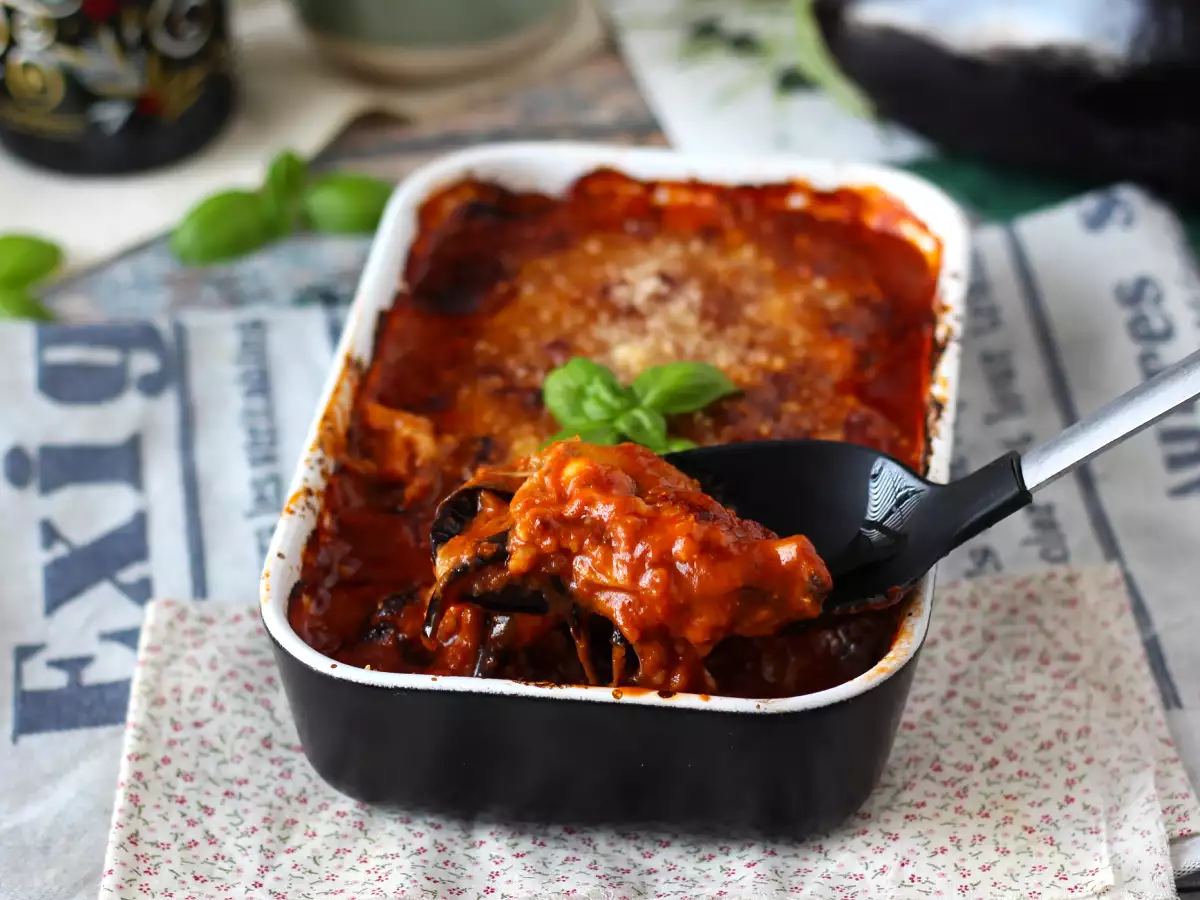
One of the recipes Italians love most, this vegetarian main course is as simple as it is delicious and always wins over every guest. Eggplant parmigiana (also known to many as “eggplant alla parmigiana”) is a perfect example of the flavors of...
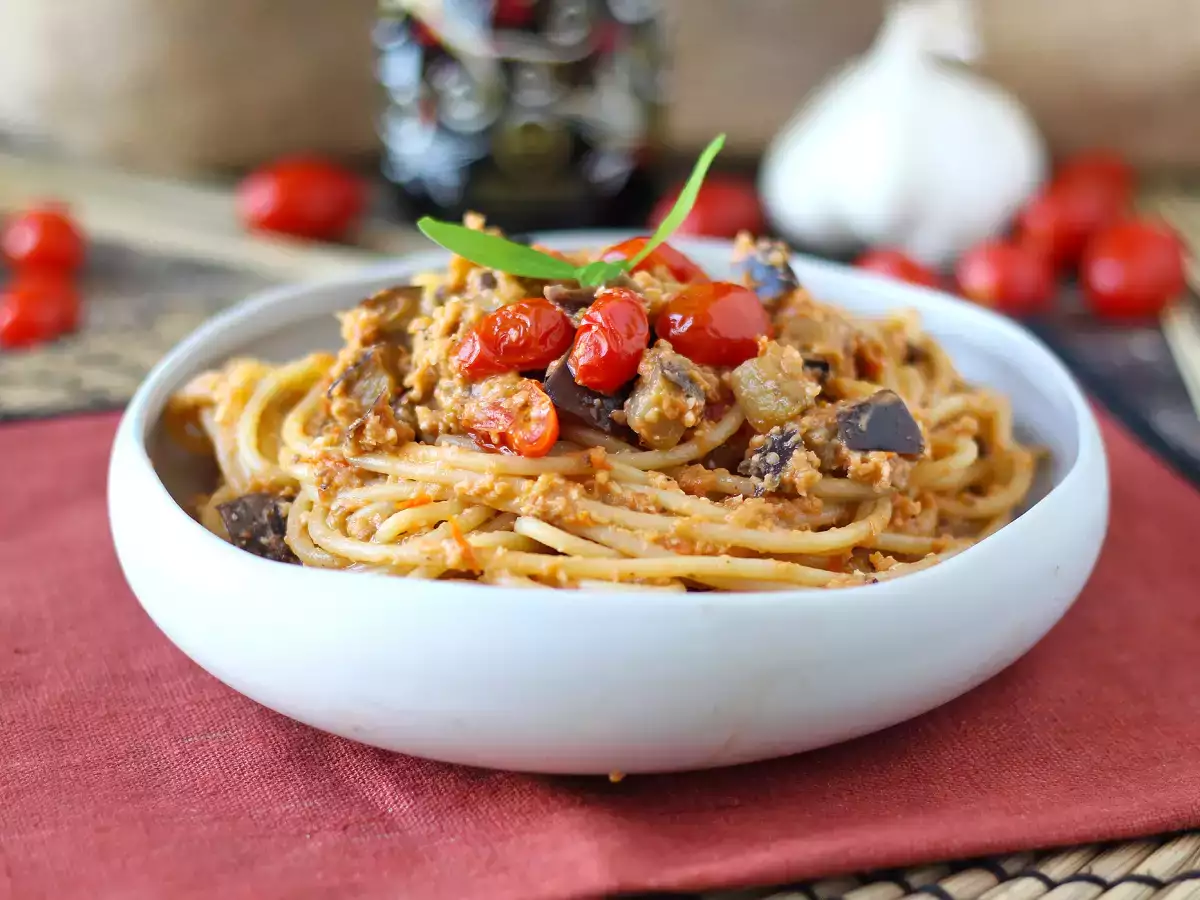
Creamy, flavorful and dotted with rustic pieces of roasted vegetables , this recipe for spaghetti with eggplant cream and cherry tomatoes wins you over with its intense flavor and irresistible texture. The roasted eggplant , combined with cherry...
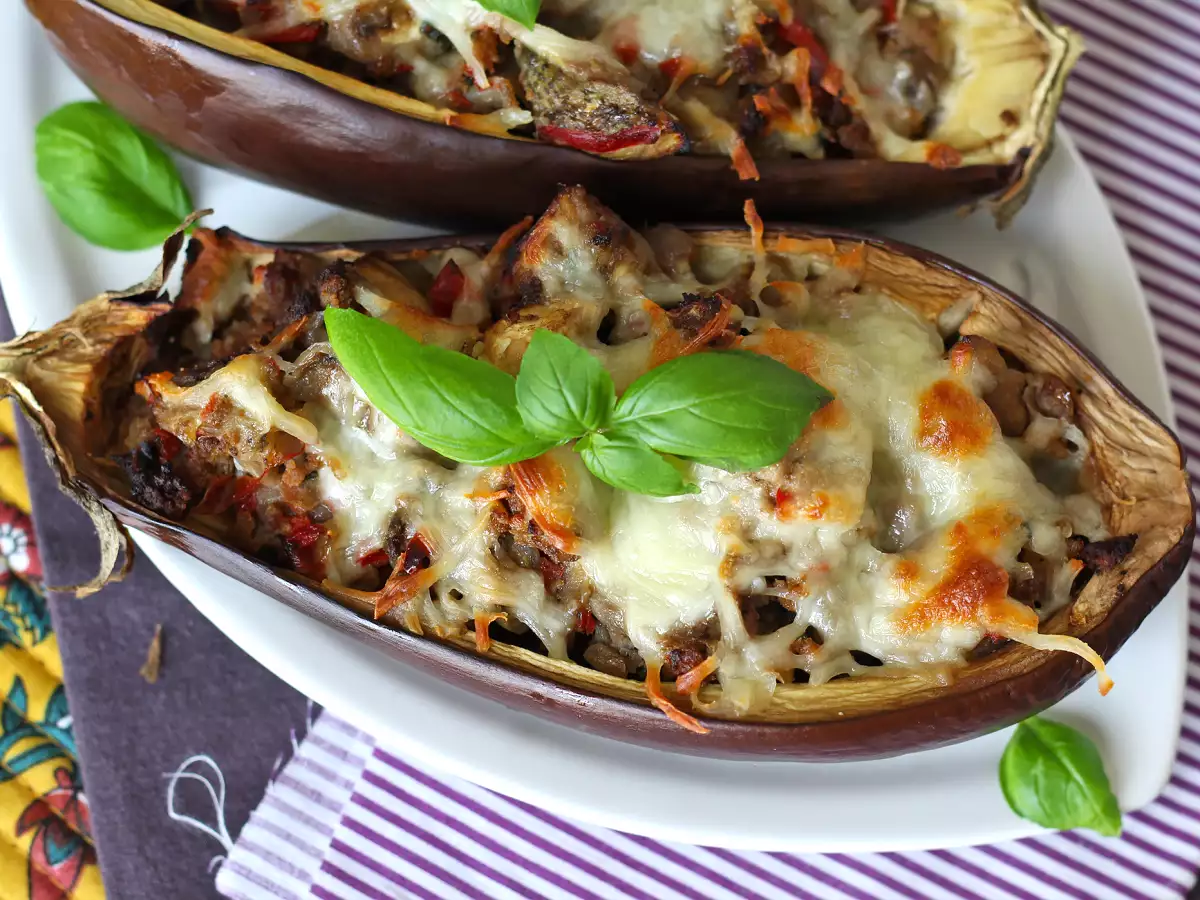
Stuffed eggplants are a classic that never disappoints! Here, they're filled with a mixture of ground beef, onions, garlic, fresh basil and a little bell pepper for extra flavor. Once stuffed, they're baked with mozzarella until golden for a...
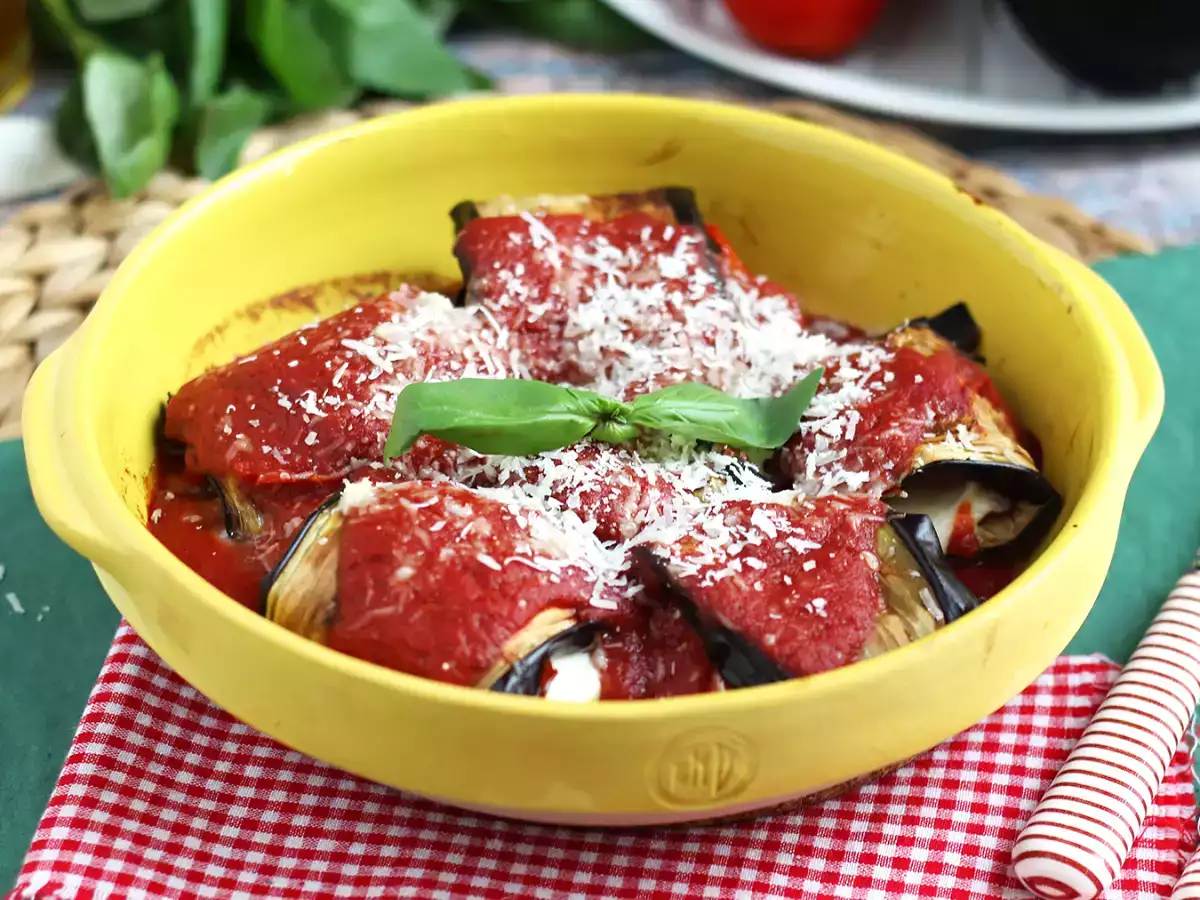
Get your family to enjoy vegetables with our eggplant dish! Rolled with tomatoes and mozzarella cheese, all covered in tomato sauce and parmesan... a true delight! Enjoy it as a standalone vegetarian meal or serve it as a side dish :-)
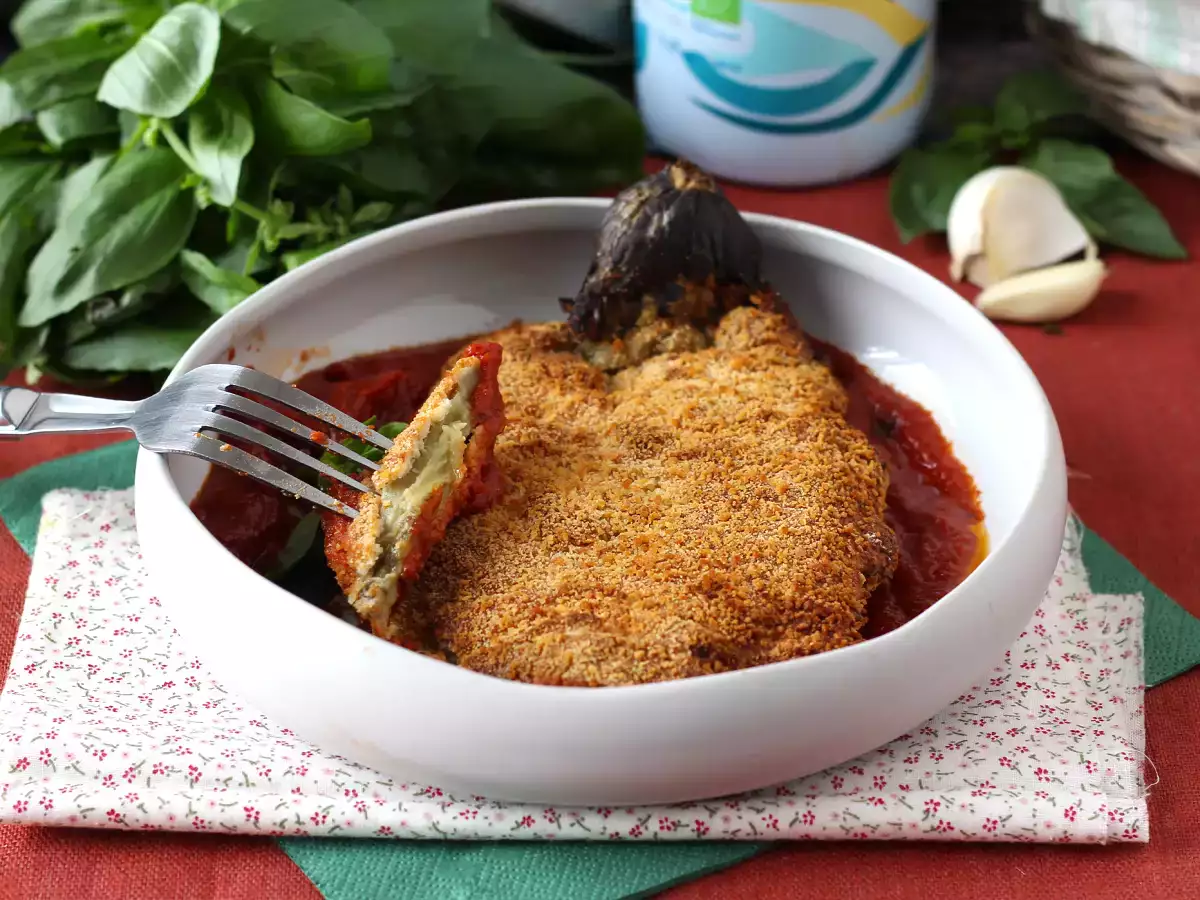
Reinvent a classic of Italian cuisine with our recipe for Milanese-style breaded eggplant , a vegetarian version cooked in the Air Fryer! Imagine the golden crunch of a Milanese cutlet, but with eggplant instead of meat . Cooking it in the Air...
 Leandra Masha
Comments