Is your pie crust still soft? You might be making this mistake with the filling
Tuesday 10 November 2026 15:30 - Adèle Peyches
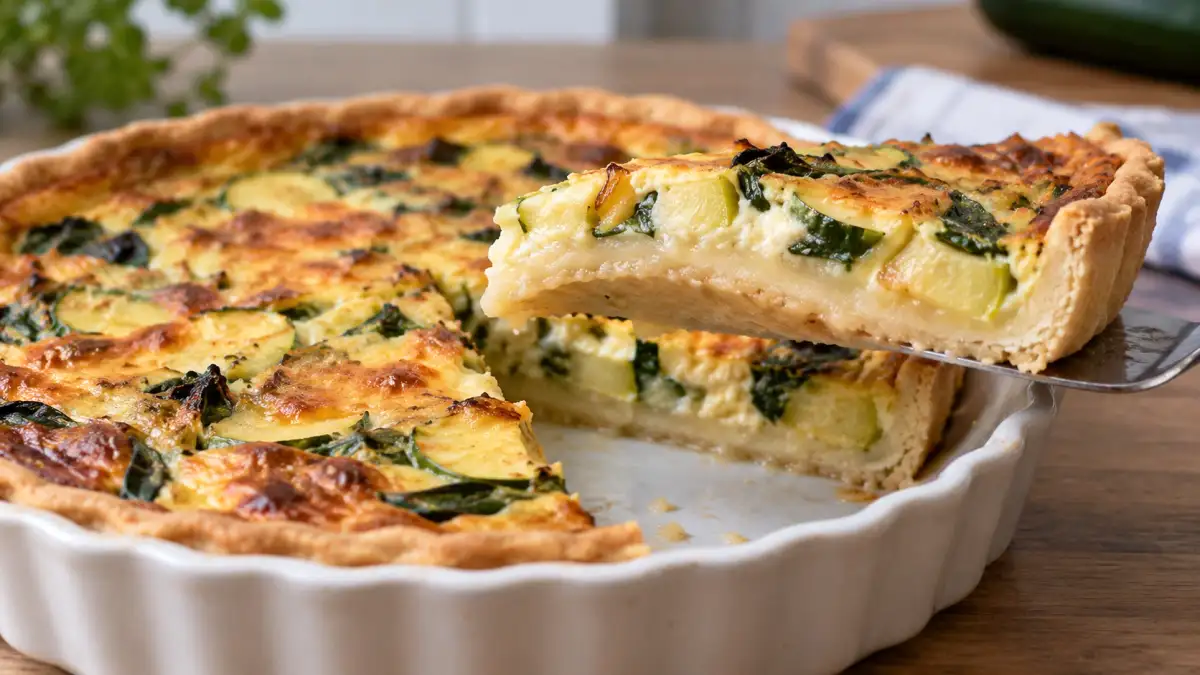
But when it’s time to cut into it, you’re in for a nasty surprise: the crust is all soggy on the bottom. Sound familiar? It’s especially common with tomatoes, zucchini, or very juicy fruits.
At Ptitchef, we can’t let a good tart end up all soggy! So we’ve put together some simple tips to keep the crust perfectly cooked. Check them out below ↓
1 - Be careful not to use fillings that are too moist
Some fillings release a lot of liquid during baking: tomatoes, zucchini, mushrooms, spinach, apples, or pears.
This liquid can soak into the crust before it has had time to bake. The result: a soggy crust, sometimes even a little sticky.
Our first step? Check the filling before placing it on the crust. If it has released a lot of juice in the mixing bowl, don’t pour it all into the pan!
This liquid can soak into the crust before it has had time to bake. The result: a soggy crust, sometimes even a little sticky.
Our first step? Check the filling before placing it on the crust. If it has released a lot of juice in the mixing bowl, don’t pour it all into the pan!
2 - Precook some vegetables
For a mushroom tart, sauté the mushrooms in a skillet to let some of their liquid evaporate.
With zucchini, pre-cooking them for a few minutes can also help. And for spinach, take the time to drain it thoroughly after cooking.
Making a tomato tart? Avoid adding all the juice from the seeds to the crust.
These small steps are very simple, but they really make a difference in the final result!
3 - Remember to blind-bake
Have you ever heard of blind baking? It involves partially baking the pie crust before adding the filling.
Place parchment paper on the dough, add appropriate baking weights, and put the pan in the oven according to the recipe’s instructions.
This allows the crust to start baking before it comes into contact with the wet ingredients.
Note: This method isn’t necessary for all recipes. Some quiches are actually meant to be baked directly with their filling.
4 - The Almond Powder Trick
Are you making an apple or pear tart? Try sprinkling a thin layer of almond flour on the bottom before adding the fruit.
It will absorb some of the juice while adding a delicious flavor.
For savory tarts, a thin layer of mustard or cheese can also add flavor, depending on the recipe.
Of course, there’s no need to use a huge amount: with too much moist filling, even this trick won’t work miracles.
It will absorb some of the juice while adding a delicious flavor.
For savory tarts, a thin layer of mustard or cheese can also add flavor, depending on the recipe.
Of course, there’s no need to use a huge amount: with too much moist filling, even this trick won’t work miracles.
5 - The mold also makes a difference
To ensure the bottom is cooked through, an oven-safe metal baking dish can be very handy. It generally conducts heat more quickly than a thick glass or ceramic dish.
Preheat the oven properly and follow the recommended rack position in your recipe.
And if you’re using a smaller baking dish, be careful: the filling will be thicker and will often require longer baking time.
Preheat the oven properly and follow the recommended rack position in your recipe.
And if you’re using a smaller baking dish, be careful: the filling will be thicker and will often require longer baking time.
6 - Let the steam escape after cooking
Is your tart finally nicely browned? Don't put it away in a box right away!
When the recipe allows, let it cool on a wire rack to prevent condensation from making the crust soggy.
For pies containing perishable ingredients, however, be sure to follow the proper cooling and refrigeration guidelines.
There you go! With these few simple steps, you’ll give yourself the best chance of ending up with beautiful, well-shaped slices.
And you—which pie gives you the most trouble? Share your experiences in the comments ;-)
 Adèle Peyches
Editorial manager who just can't wait for winter to enjoy fondue! Passionate about gastronomy and always on the lookout for new culinary gems, I first studied law before returning to my first love: the taste of good products and the joy of sharing around the table :)
Comments