Stop your quiche from weeping: easy baking techniques to prevent watery filling and a soggy crust

Some dough, a few eggs, a little cream, vegetables, cheese, tuna, bacon bits, or ham… and presto, you’ve got an easy, hearty dish that’s perfect with a green salad :-)
But there’s still one little problem we’re all familiar with: the quiche that releases liquid.
You take it out of the oven—it smells great, it’s golden brown… but when you go to cut into it, disaster strikes: the bottom is soggy, the filling is oozing juice, the crust gets mushy, and the slice just doesn’t hold together. It’s not a big deal, of course, but it’s a little frustrating when you were dreaming of a quiche that’s nice and melt-in-your-mouth with a crispy crust!
But here’s the good news: with a few simple tips, you can really avoid this.
Cook the vegetables thoroughly
The main reason a quiche releases water is often the vegetables.
Zucchini, tomatoes, leeks, spinach, mushrooms… they’re delicious in a quiche, but they also contain a lot of water. If you add them raw directly to the filling, they’ll release that water during baking. The result: a filling that’s too runny and a crust that gets soggy.
Our little Ptitchef tip: Sauté the vegetables in a pan before adding them to the quiche. A few minutes are enough to help them release some of their water and concentrate their flavor. For spinach, be sure to squeeze out the excess water after cooking. For tomatoes, remove some of the seeds or use chopped and well-drained cherry tomatoes.
Yes, it’s one extra step… but honestly, it makes all the difference ;)
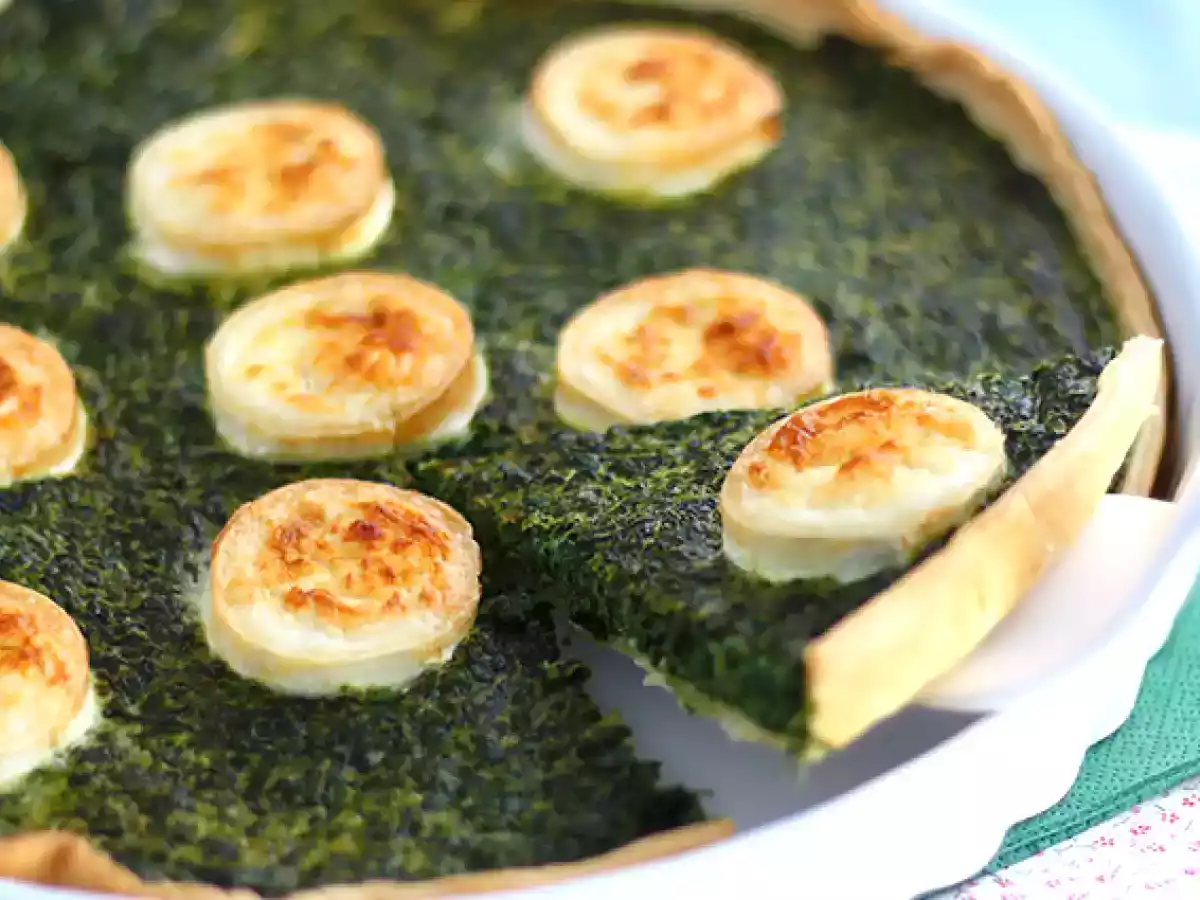
For a simple, satisfying meal, choose quiche! Here, we offer a vegetarian version filled with spinach and goat cheese. It’s a great way to get kids (and even the more reluctant ones!) to eat their vegetables, with an easy recipe and a delicious...
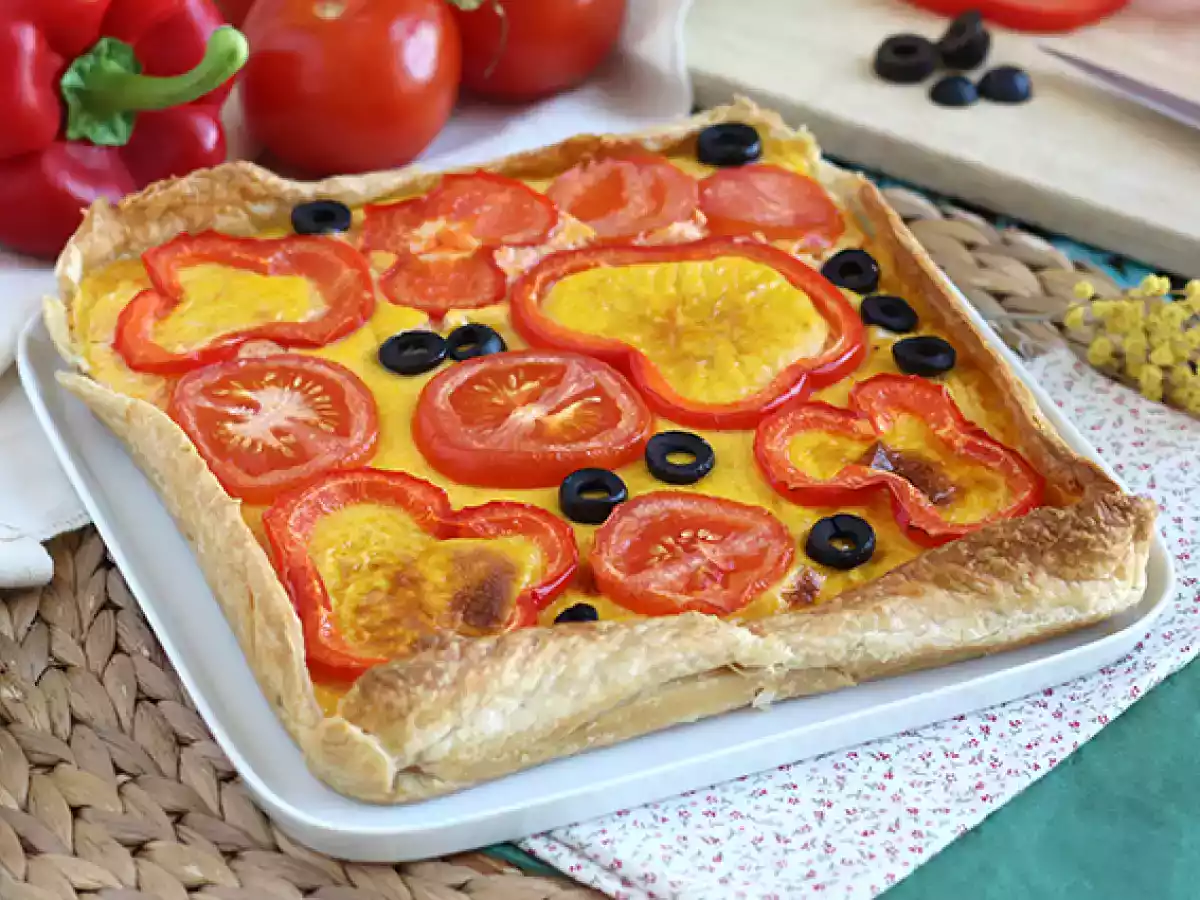
With the nice weather, easy and healthy recipes are perfect for everyday meals. We bring you a quiche, this time in a square version with a very colorful decoration :) You can always change it up and add your favorite vegetables.
Don't put too much filling
We often want to pack our quiche full. A little more cheese, a few more vegetables, a handful of bacon bits, two extra tomatoes… and eventually, the filling becomes too much for the crust.
The problem is that an overloaded quiche doesn’t bake as well. The ingredients pile up, moisture gets trapped, and the whole thing can release a lot of liquid when sliced.
The ideal is to maintain a good balance: a substantial filling, yes, but not packed all the way to the edge. The custard needs room to seep between the ingredients and cook properly. A well-filled quiche is delicious. A quiche that overflows and makes the crust soggy, not so much!

When you want to prepare an easy homemade meal, quiche is the way to go! Here, add ham, eggs, and mozzarella cheese for a comforting touch :-) It's a great opportunity to use up what you have left in the fridge and pantry in a simple, no-fuss recipe...
Drain the ingredients thoroughly
Sometimes, it’s not the cooking that’s the problem, but the ingredients themselves.
Poorly drained tuna, mozzarella that’s too wet, canned vegetables, sun-dried tomatoes in oil, fresh cheese…all of these can add a lot of liquid to the quiche.
So before you add the filling to your crust, take a few seconds to drain whatever needs draining. Strain the tuna through a colander, let the mozzarella sit on paper towels to drain, rinse and dry the jarred vegetables thoroughly, and use marinated ingredients sparingly.
It’s a simple little step, but it often prevents that infamous soggy quiche bottom.
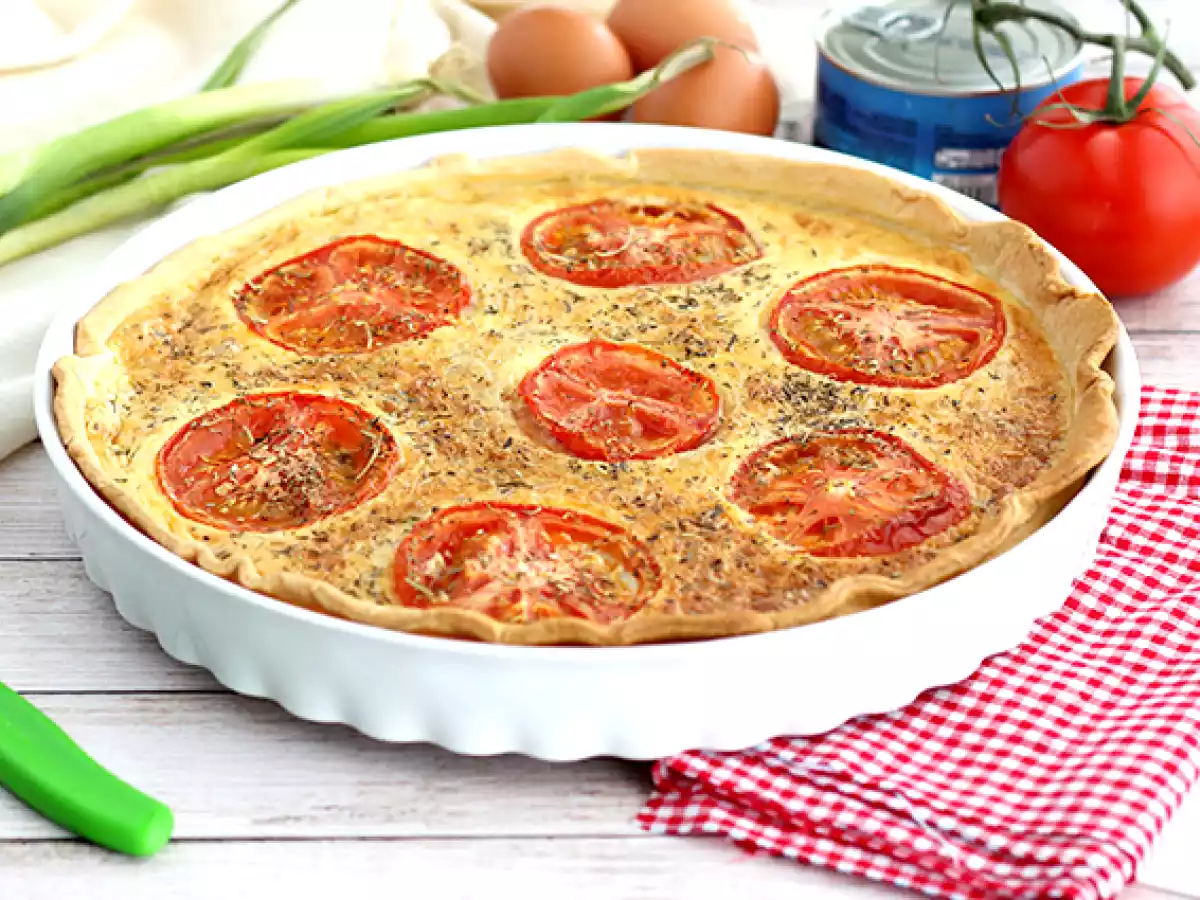
Easy to make, this quiche combines the perfect blend of tuna and tomato and is sure to delight you at dinner. It’s quick to prepare, since we don’t always have time to cook. A slice of this quiche served with a mixed salad makes a perfectly balanced...
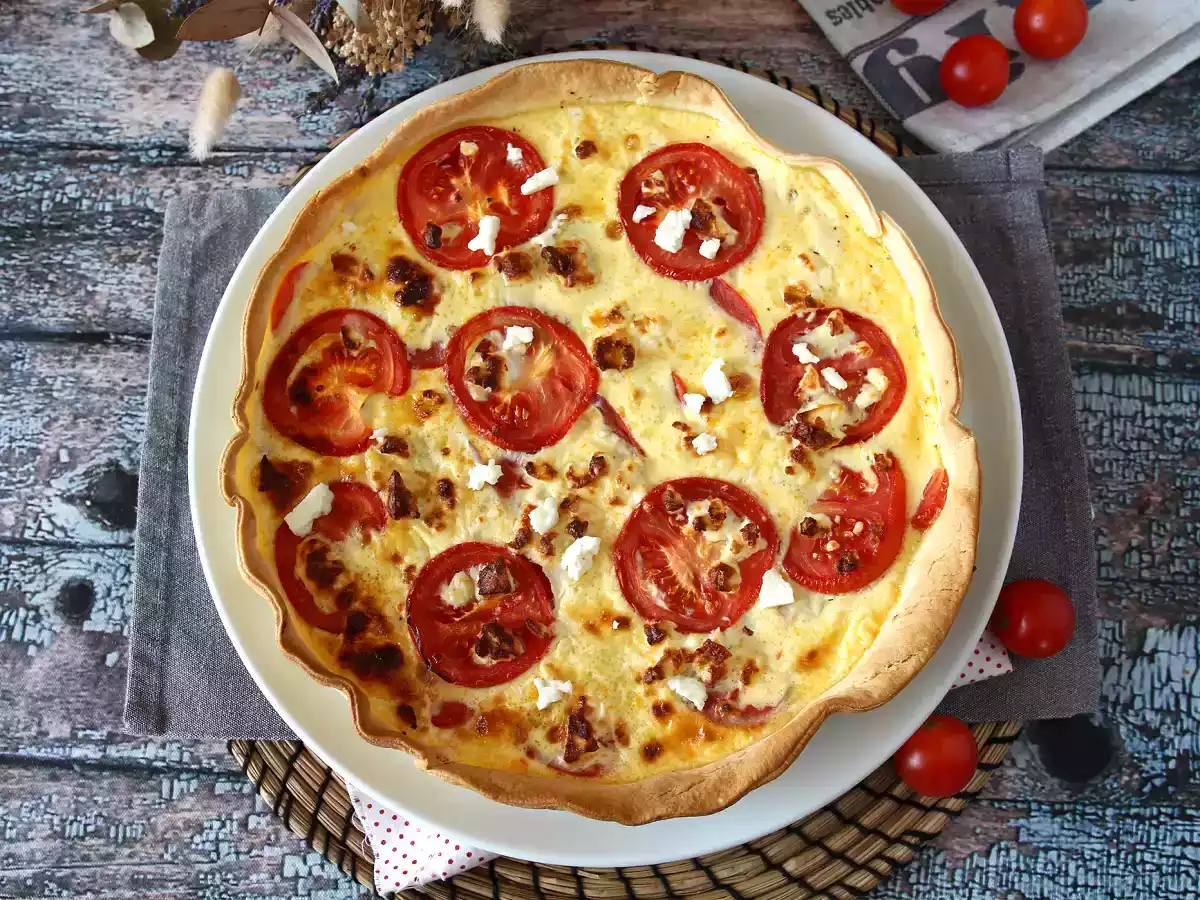
As you know, here at Ptitchef, we love quiches when the summer heat starts to set in! Quiche is the perfect dish to take along on a picnic , bring for lunch at work , serve at an appetizer party with friends, or simply enjoy as a meal with a green...

Got some tortillas lying around and don't know what to do with them? Turn them into delicious, easy, budget-friendly quiches ! With just a few eggs, milk, a little mozzarella and bacon, you can make crispy, irresistibly delicious mini-quiches....
Pre-bake the dough for a crispier crust
If your crust is often soggy on the bottom, blind baking can be your best ally.
This is also known as blind baking: spread the dough in the pan, prick it with a fork, then bake it for a few minutes before adding the filling. This allows the bottom to start cooking and better withstand the moisture from the filling.
For even better results, you can add a thin protective layer: a little fine semolina, breadcrumbs, salted almond flour, grated Parmesan, or even a thin layer of mustard, depending on the recipe. These ingredients will absorb some of the moisture and help the crust stay crispier.
Ptitchef’s tip: a pre-baked crust + a well-drained filling = much less risk of a soggy quiche.
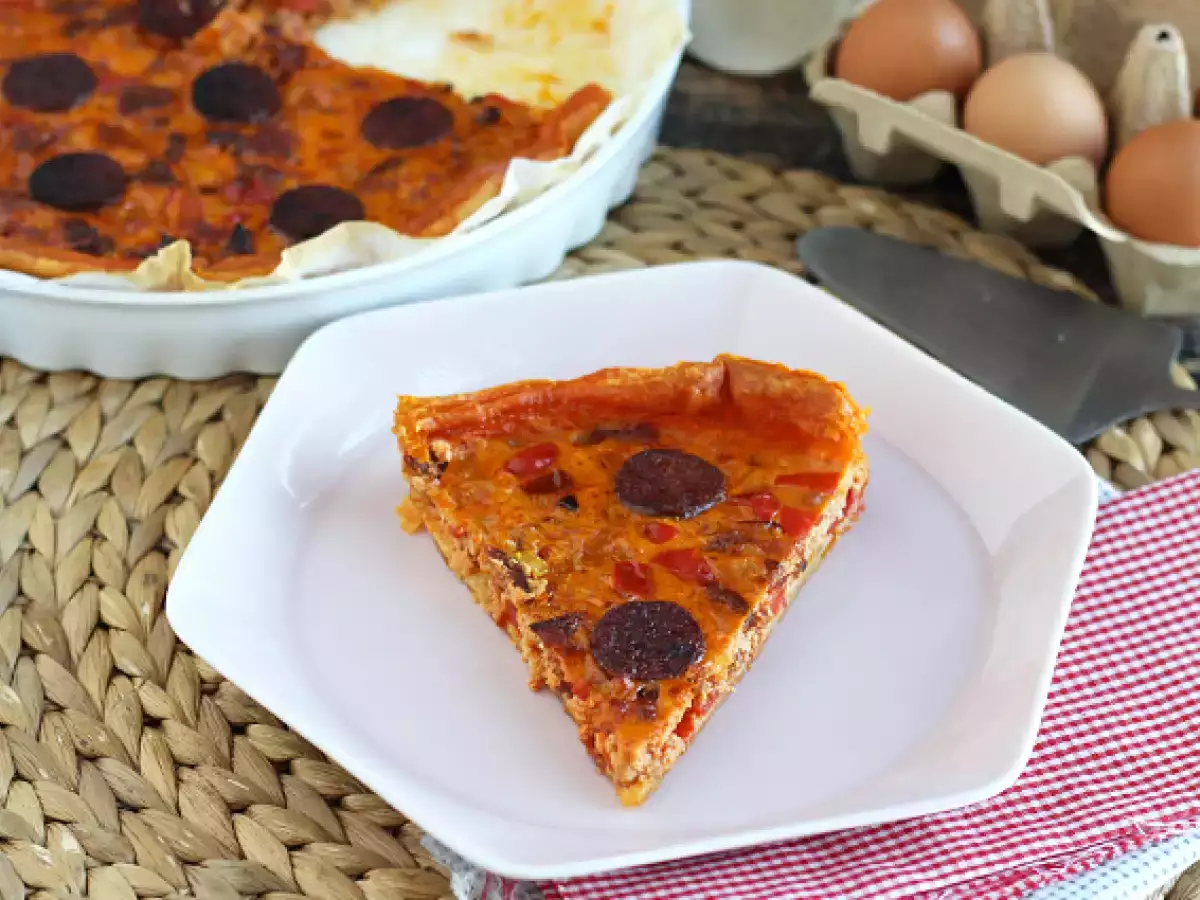
The simple, foolproof recipe the whole family loves? Quiche! It’s easy: you can put whatever you like in it :-D Here, we decided to pair bell peppers with chorizo. Fancy trying it too? Here are the details of the recipe. In the meantime, we’ll prepare...
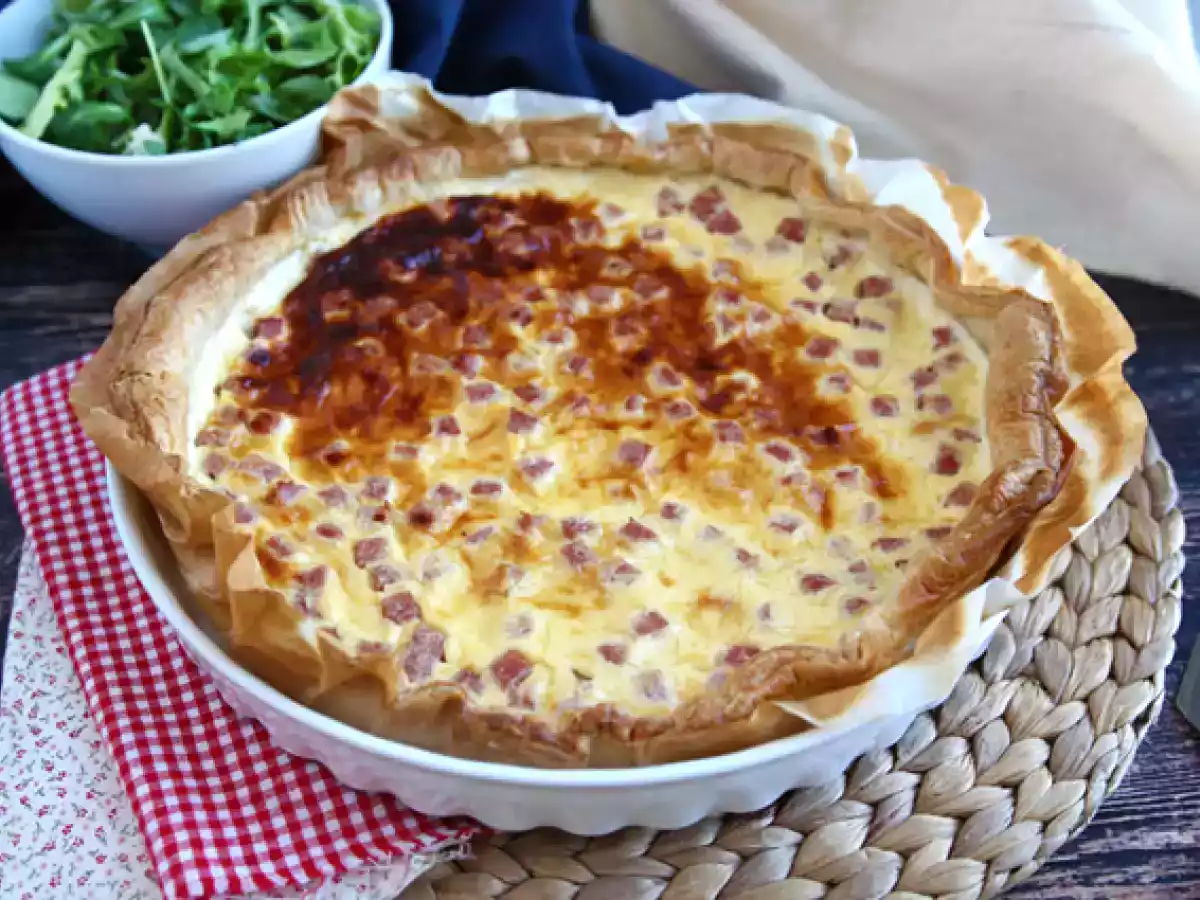
Today, we decided to lighten up our quiche by replacing the bacon with diced ham and the crème fraîche with plain yogurt . A great tip that lets you enjoy this simple, satisfying dish while still treating yourself. While it bakes, prepare a mixed...
Be careful with the quiche maker
A quiche that releases liquid can also be caused by a batter that’s too runny. If you add too much milk, too much light cream, or not enough eggs, the filling may have trouble setting properly.
For a firm texture, stick to a simple base: eggs, cream, or a cream-and-milk mixture, a little salt, pepper, and perhaps a pinch of nutmeg. If you’re using a lot of vegetables, it’s best to avoid making the batter too runny, since the vegetables will already add their own moisture.
And above all, don’t pour the mixture all the way to the edge of the pan. As it bakes, the quiche may rise slightly, and if it’s too full, it may overflow or bake unevenly.
Let it rest before cutting
We know, it's hard...
The quiche comes out of the oven, golden brown and smelling delicious, and everyone’s already hungry. But if you cut into it right away, the filling hasn’t had time to set yet. The result: the filling may seem runnier and release a little liquid onto the plate.
Let it rest for 10 to 15 minutes before serving. It’ll still be warm, but much easier to cut. The slices will hold their shape better, the filling will be more stable, and the crust will be less likely to crumble.
And between us, a warm quiche with a nice, fresh salad is often even better!
So, how do you make a quiche that doesn't release water?
Ultimately, the secret to a good quiche isn’t just the recipe. It’s mainly how you prepare the ingredients.
Pre-cook vegetables with high water content, drain the tuna, mozzarella, or canned ingredients thoroughly, avoid overloading the filling, pre-bake the crust if necessary, and let it rest before cutting.
With these few tips, say goodbye to quiches swimming in their own juices or soggy crusts at the bottom of the pan. You’ll get clean slices, a melt-in-your-mouth filling, and a crust that’s a pleasure to eat :)
Now that you know all this, all that’s left is to get out the pie pan… and make your next quiche stress-free!
 Adèle Peyches
Comments