Save money in August: choose these seasonal fruits, vegetables and fish for peak taste and value
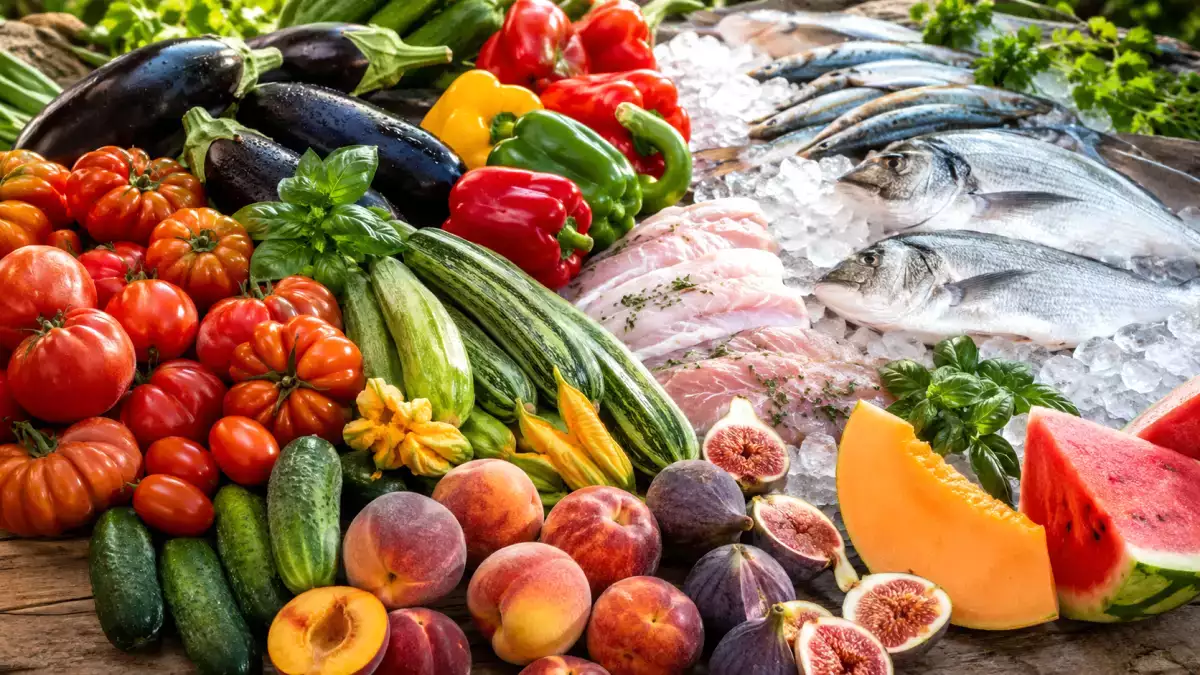
In August, the fridge takes on a whole new character. Forget for a moment about complicated dishes and recipes that require hours in the kitchen: this is the month of fragrant tomatoes, peaches that leave a mark on your shirt, and seafood dinners planned almost at the last minute.
Knowing what to buy in August lets you serve foods at their peak, create more varied menus, and take advantage of the abundance found at the market stalls. Fortunately, there’s no shortage of choices: the fruit is sweet and juicy, the vegetables seem to have borrowed all the colors of summer, and the fish counter offers plenty of options for grilled dishes, pasta dishes, and light main courses.
What fruits are in season in August?
Seasonal fruit in August has a very simple purpose: to make even those days more enjoyable when the only thing you seem to be able to do is look for the coolest spot in the house.
Watermelon and cantaloupe are the classics of the season, but it would be a shame to stop there. August is also the month of peaches, nectarines, late-season apricots, plums, figs, blackberries, raspberries, currants, and the first varieties of grapes.
Here’s the fruit to put on your August shopping list:
- watermelon;
- cantaloupe;
- peaches and nectarines;
- late-season apricots;
- plums and prunes;
- figs;
- blackberries, raspberries, and currants;
- early grapes;
- summer pears.
Peaches and plums are perfect for breakfast, snacks , and fruit salads, while figs and melon can also be incorporated into savory dishes. Try, for example, a salad with melon, cucumbers, and fresh cheese, or a bruschetta with figs, fresh cheese, and fresh herbs. It’s the kind of recipe that seems designed to impress guests, but requires less effort than making a cup of coffee.
Watermelons and melons, on the other hand, should be chosen with a bit of care: they should be intact, without deep bruises or soft spots. For peaches, apricots, and figs, it’s best to buy realistic quantities, because they ripen quickly. A family-size package is only a good deal if the family actually plans to eat it all.
What vegetables should you buy in August?
Seasonal vegetables in August are plentiful, versatile, and particularly well-suited to simple recipes. Tomatoes, zucchini, eggplant, and bell peppers can be turned into side dishes, pasta sauces, fillings, purees, or main courses.
Your summer shopping cart shouldn’t be without:
- tomatoes and cherry tomatoes;
- bell peppers and friggitelli;
- eggplant;
- zucchini and zucchini flowers;
- cucumbers;
- green beans;
- lettuce and summer greens;
- carrots;
- arugula;
- basil;
- fresh corn;
- new potatoes.
Tomatoes and basil are practically a match made in heaven: just add bread, pasta, mozzarella, or legumes to make a quick and complete lunch. Eggplant, bell peppers, and zucchini are ideal for cooking together in the oven or on the grill, making generous portions to use over the next few days. Cucumbers, lettuce, and arugula, on the other hand, are perfect for those days when turning on the oven seems like a questionable decision.
To tell if a vegetable is fresh, check its texture and color. Zucchini should be firm, bell peppers taut and glossy, eggplants compact, and tomatoes free of major cracks. There’s no need to look for vegetables that are all identical like little soldiers—a few cosmetic imperfections don’t compromise taste or quality.
What fish is in season in August?
The sea, too, has its own rhythms. Among the species generally found in the Mediterranean during August are anchovies, sardines, mackerel, mullet, snapper, hake, sea bream, white seabream, sole, red mullet, amberjack, and swordfish. Actual availability, however, may vary depending on the fishing area, weather conditions, and closed seasons.
For a more varied selection, don’t limit yourself to just the most well-known names. Anchovies, sardines, and mackerel are excellent for flavorful, simple recipes: they can be baked, grilled, or pan-seared with cherry tomatoes and fresh herbs.
Sea bream, white seabream, and red seabream are ideal for baking whole or cooking in foil. Red mullet adds character to sauces, while hake is a mild option that pairs easily with summer vegetables.
Be careful, though: seasonal fish and sustainable fish aren’t automatically the same thing. When purchasing, it’s a good idea to check the label for the origin, the FAO zone, the production method, and—when indicated—the fishing gear used. Your fishmonger can also suggest which local species are actually available that day.
What can you eat in August without spending hours in the kitchen?
The answer lies in the items you’ve just added to your cart. With just a few seasonal ingredients, you can prepare complete, colorful meals that are anything but dull.
For an easy summer menu, try:
- bruschetta with tomatoes, basil, and extra-virgin olive oil;
- cold pasta with zucchini, cherry tomatoes, and olives;
- grilled eggplant and bell peppers;
- green bean, potato, and egg salad;
- baked mackerel with cherry tomatoes;
- anchovies au gratin with herbs;
- fruit salad with peaches, melon, and berries.
August grocery shopping doesn’t require any complicated formulas. Just alternate colors, textures, and cooking methods, buying quantities that suit your habits. The real trick isn’t filling your cart to the brim, but coming home with ingredients you’ll actually eat.
And what if a slice of watermelon ends up dripping onto the floor? It’s all part of the summer experience: in August, even seasonal grocery shopping has its own little wild side.
 Daniele Mainieri
Comments