Keep peaches firm and fresh longer with one simple storing trick that prevents waste and spoilage
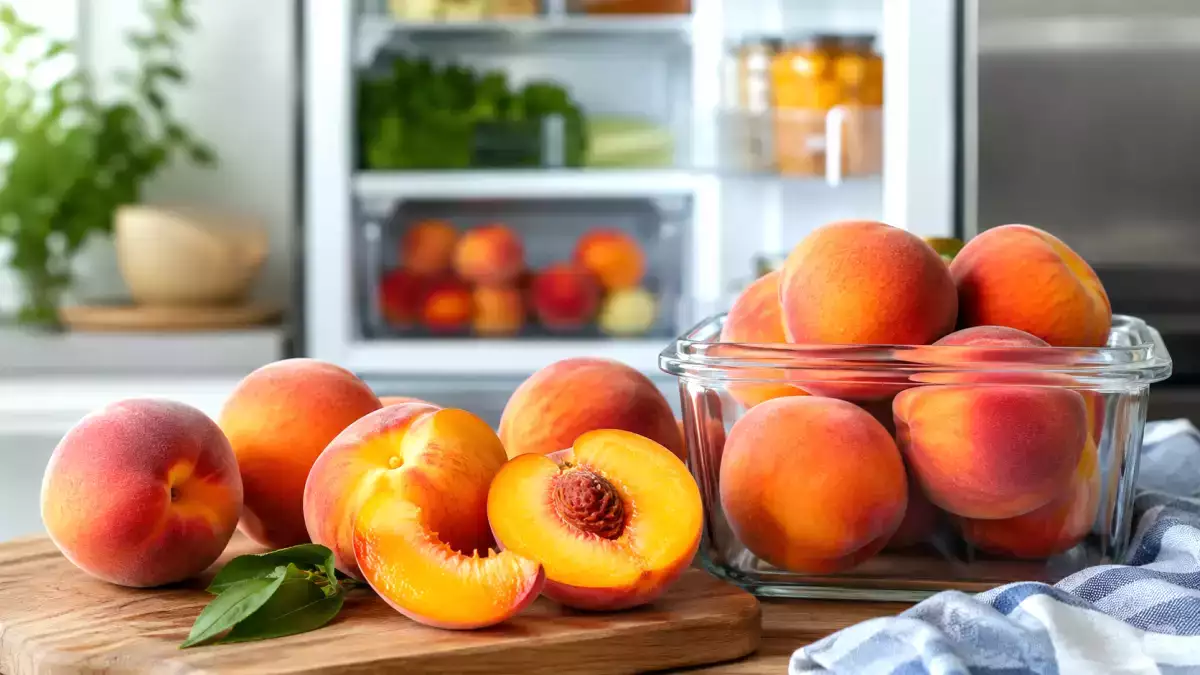
Peaches are delicious, but they have one small drawback: they look perfect, and as soon as you take your eyes off them, they get too soft. You don’t need complicated methods to avoid waste. The secret to storing peaches properly is to determine how ripe they are and choose between the fruit bowl, the refrigerator, and the freezer accordingly.
Should peaches be stored in the refrigerator?
Peaches can be stored in the refrigerator, but only once they are ripe. The cold slows down the ripening process and helps them stay fresh longer.
You can tell a peach is ripe because:
- it gives off a sweet aroma;
- it yields slightly to the touch;
- it has no areas that are too soft or bruised;
- its flesh is still firm.
Ripe peaches generally last 3 to 5 days in the refrigerator. It’s best to store them in the fruit drawer, without stacking them too high, because the weight could damage them.
Before eating them, let them sit at room temperature for a few minutes: they’ll be more fragrant and flavorful.
How do you store unripe peaches?
Unripe peaches should be kept at room temperature, away from direct sunlight and heat sources. Putting them in the refrigerator right away could slow down the ripening process too much, leaving them hard and not very tasty.
Arrange them in a single layer, avoiding piling them up. To help them ripen faster, you can place them in a paper bag and check on them every day.
The transition from an unripe peach to an overripe one can happen quite quickly: it’s best to check them every morning, before the fruit bowl turns into a minor household emergency.
How long do peaches last in the fridge?
The shelf life depends on the initial level of ripeness. Generally, a ripe peach will keep in the refrigerator for about 3–5 days.
However, you shouldn’t rely solely on the calendar. Before eating it, it’s a good idea to check:
- texture;
- smell;
- for mold;
- dark spots or areas that are excessively soft.
A very soft peach that’s still good can be used to make smoothies, desserts, quick jams, or fruit yogurt. If it has mold or an unpleasant smell, however, it should be discarded.
Mistakes to avoid when storing peaches
Certain habits can cause peaches to spoil more quickly. The most common mistakes are:
- putting unripe peaches in the fridge;
- washing them before storing them and leaving them damp;
- stacking them on top of each other;
- leaving a very ripe fruit among the others;
- leaving them in the fruit bowl for days;
- keep cut peaches out of the refrigerator.
Whole peaches should be washed only shortly before eating. Moisture, in fact, can accelerate spoilage.
How do you store cut peaches?
Cut peaches should be stored in the refrigerator in an airtight container. It’s best to eat them soon after cutting, because once cut, they lose their texture and tend to turn brown.
To limit oxidation, you can add a few drops of lemon juice. Don’t overdo it: just a little is enough to protect the flesh without masking its sweet flavor.
If you’ve cut up too many peaches, you can use them to make:
- a fruit salad;
- a smoothie;
- a cake;
- a compote;
- fruit porridge;
- homemade popsicles.
Can you freeze peaches?
Yes, freezing peaches is a simple way to preserve them longer and avoid waste. Once thawed, they’ll be softer, making them particularly suitable for smoothies, sorbets, desserts, and compotes.
To freeze them properly:
- choose peaches that are ripe but still firm;
- wash and dry them thoroughly;
- remove the pits;
- cut them into wedges;
- add a few drops of lemon juice;
- Arrange them separately on a tray;
- transfer them to the freezer;
- once frozen, transfer them to a freezer bag.
By freezing them on a tray first, the wedges won’t stick together. This way, you can take out just the amount you need.
How can you prevent peaches from turning black?
Peaches turn brown because the flesh comes into contact with the air once it’s cut. To slow down this process, you can use lemon juice or a solution made from water and ascorbic acid.
After treatment, the slices should be placed in the refrigerator immediately or frozen. The dark color does not always mean the fruit is spoiled, but it can make it less appealing.
The easiest way to store peaches
The rule to remember is very simple:
- unripe peaches: at room temperature;
- ripe peaches: in the refrigerator;
- sliced peaches: in an airtight container;
- extra peaches: in the freezer.
Checking them every day takes just a few seconds and lets you enjoy them when they’re sweet, fragrant, and still firm. It’s a small gesture that prevents waste and, above all, keeps you from finding a peach at the bottom of the fruit bowl that’s already past its prime.
 Leandra Masha
Comments