Keep broccoli bright green and slightly crunchy with easy cooking tips every home cook needs
Wednesday 18 November 2026 21:00 - Adèle Peyches
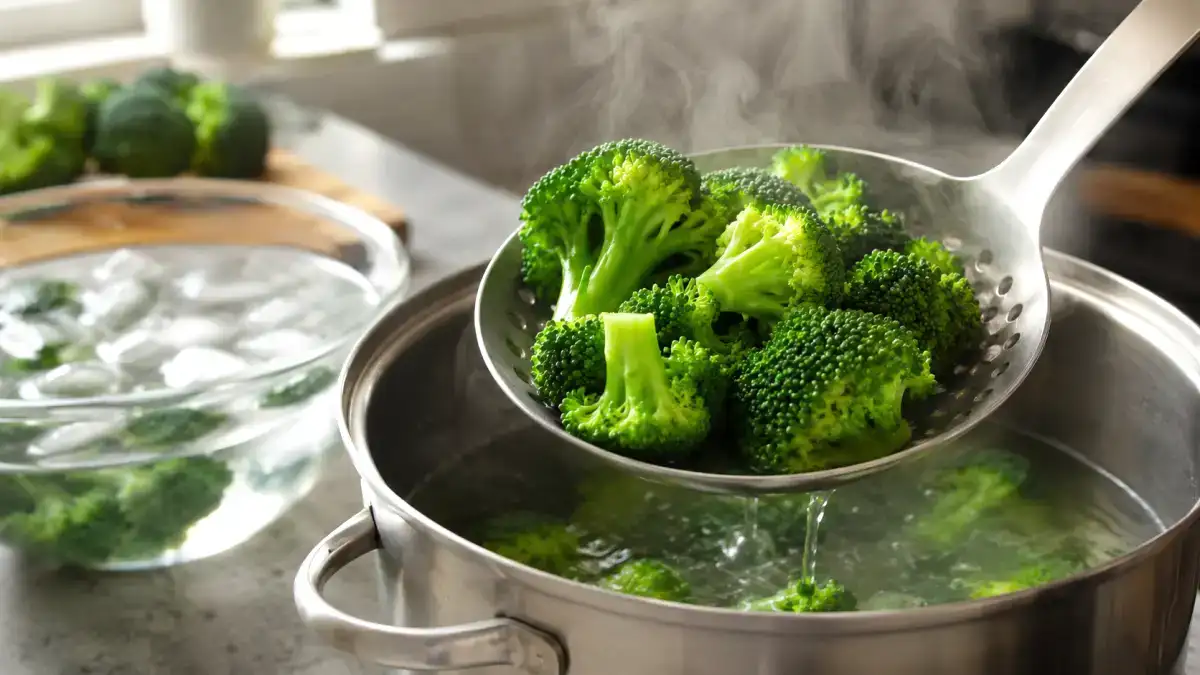
The goal isn’t to cook it for hours. Quite the opposite! To keep broccoli bright green and still slightly crunchy, you need to cook it quickly and keep a close eye on it.
Steaming, boiling, sautéing, or baking: any method can work. Just choose the one that gives you the result you want.
Before cooking, cut it properly
It sounds simple, but how you cut it makes a big difference. If you have large florets on one side and tiny pieces on the other, some will still be firm while others will already be overcooked.
Separate the broccoli into florets of fairly uniform size. And don’t throw away the stem just yet! Just remove the slightly tough outer layer, then cut the core into small pieces.
The result: less waste and more even cooking.
Separate the broccoli into florets of fairly uniform size. And don’t throw away the stem just yet! Just remove the slightly tough outer layer, then cut the core into small pieces.
The result: less waste and more even cooking.
Steam cooking: simple, gentle, and effective
If you want green broccoli that’s tender but still slightly firm, steaming is often the best option. It cooks the vegetable without making it watery and preserves a pleasant texture.
Place the florets in a steamer basket over simmering water. Allow about 4 to 6 minutes, depending on the size of the pieces.
How do you know when it’s done? Insert the tip of a knife. It should slide in easily, but the broccoli should still offer a little resistance. That’s when it’s perfect.
Place the florets in a steamer basket over simmering water. Allow about 4 to 6 minutes, depending on the size of the pieces.
How do you know when it’s done? Insert the tip of a knife. It should slide in easily, but the broccoli should still offer a little resistance. That’s when it’s perfect.
In boiling water: quick, but don't forget about it
Boiling works very well, as long as you do it quickly. Bring a large pot of water to a boil, add a little salt, then add the broccoli florets.
Usually, 2 to 4 minutes are enough. As soon as it turns bright green, drain it. If you leave it in “just a little longer,” that’s often when it goes from crisp to mushy.
For a salad or a dish you’ll reheat later, plunge it immediately into cold water. This stops the cooking process and helps preserve its vibrant color.
Pan-fried: for a more indulgent broccoli dish
Want your broccoli to have a little more flavor? Sauté it in a pan. A drizzle of olive oil, a little garlic if you like, then the broccoli florets: it already smells better than broccoli left to sit in water.
Sauté for a few minutes, add a teaspoon of water, cover briefly, then finish cooking uncovered. The broccoli becomes tender but retains its texture.
Add a little lemon, sesame seeds, almonds, or Parmesan at the end of cooking, and you’ll have a simple but far from boring side dish.
Sauté for a few minutes, add a teaspoon of water, cover briefly, then finish cooking uncovered. The broccoli becomes tender but retains its texture.
Add a little lemon, sesame seeds, almonds, or Parmesan at the end of cooking, and you’ll have a simple but far from boring side dish.
In the oven: less green, but more roasted
The oven produces a different result. The broccoli won’t be as bright green as when steamed or boiled, but it will have golden edges and a more intense flavor.
Toss the florets with a little oil, salt, pepper, and your choice of spices. Spread them out evenly on a baking sheet, without crowding them.
Here, the goal is to achieve roasted broccoli with slightly crispy tips. Perfect with a yogurt-based sauce, lemon, or a plate of pasta.
Toss the florets with a little oil, salt, pepper, and your choice of spices. Spread them out evenly on a baking sheet, without crowding them.
Here, the goal is to achieve roasted broccoli with slightly crispy tips. Perfect with a yogurt-based sauce, lemon, or a plate of pasta.
The classic mistake: cooking it for too long
Broccoli doesn’t always handle long cooking times well. If overcooked, it becomes mushy, loses its color, and develops a stronger flavor.
It’s better to cook it a little less at first, then add a minute if needed. The reverse isn’t possible: overcooked broccoli won’t magically become crisp again.
Keep this rule in mind: broccoli should be tender but still slightly firm to the bite.
It’s better to cook it a little less at first, then add a minute if needed. The reverse isn’t possible: overcooked broccoli won’t magically become crisp again.
Keep this rule in mind: broccoli should be tender but still slightly firm to the bite.
Cold Water Baths: Useful, But Not Always Necessary
If you’re boiling broccoli and want it to retain its bright color, rinsing it in cold water is very helpful. Drain it, plunge it into cold water, then drain it again.
This step is especially useful if the broccoli is to be served in a salad, added to a bowl, or reheated later. It prevents it from continuing to cook from its own residual heat.
If you’re eating it hot right away, there’s no need to overcomplicate things. Drain it well, season it, and serve.
This step is especially useful if the broccoli is to be served in a salad, added to a bowl, or reheated later. It prevents it from continuing to cook from its own residual heat.
If you’re eating it hot right away, there’s no need to overcomplicate things. Drain it well, season it, and serve.
How to season it without masking the flavor
Well-cooked broccoli doesn't need to be drowned in sauce. A drizzle of olive oil, some lemon, salt, and pepper—and it's already delicious.
For a change, try garlic, Parmesan, sesame seeds, toasted almonds, a light soy sauce, or a spoonful of lemon yogurt.
The little extra touch is to add something crunchy. It instantly makes the broccoli more enjoyable to eat.
For a change, try garlic, Parmesan, sesame seeds, toasted almonds, a light soy sauce, or a spoonful of lemon yogurt.
The little extra touch is to add something crunchy. It instantly makes the broccoli more enjoyable to eat.
Ideas for incorporating it into a full meal
Broccoli goes well with almost anything: chicken, fish, eggs, rice, pasta, shrimp, or tofu. When cooked properly, it adds color and keeps the meal from feeling too heavy.
In a one-pot pasta dish with salmon and broccoli, it makes for a complete and easy meal.
Paired with brown rice, broccoli, and shrimp, it makes for a perfect simple lunch.
In a creamy pasta dish with broccoli and almonds, it retains a melt-in-your-mouth, indulgent texture.
And for a more fun take, broccoli croquettes are ideal if you want to get the whole family to love it.
In a one-pot pasta dish with salmon and broccoli, it makes for a complete and easy meal.
One-pot pasta - tagliatelles with salmon and broccoli
When looking for an easy, quick, and especially all-in-one recipe, one-pot pasta is a no-brainer! A dish of pasta with salmon and broccoli in which all the ingredients cook at the same time in the same pot. This helps limit the dishwashing chore as...
Paired with brown rice, broccoli, and shrimp, it makes for a perfect simple lunch.
Brown rice with broccoli and shrimp! easy and balanced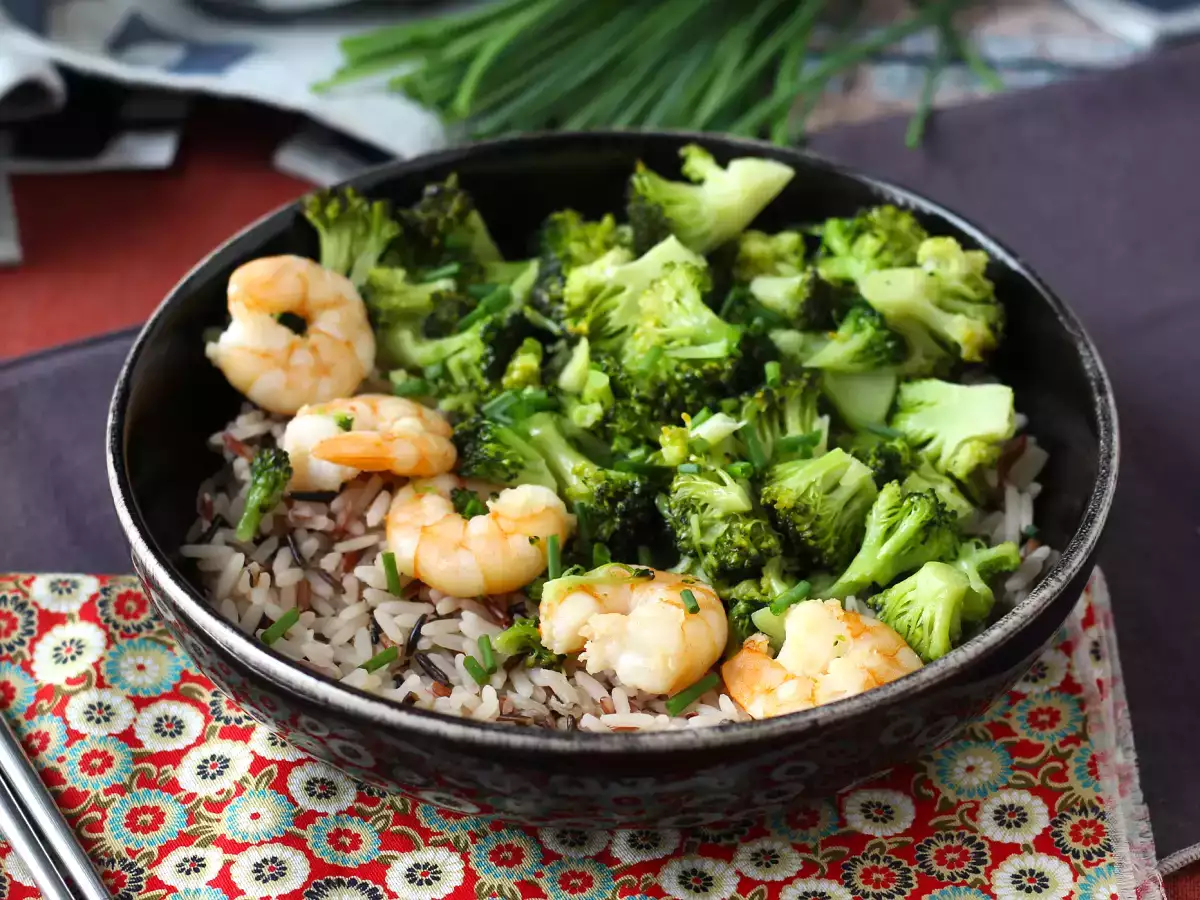
For a healthy, balanced and delicious meal without spending hours in the kitchen, there's nothing like delicious brown rice with shrimp and broccoli ! Today we're presenting a classic version, but you can also add sauces to make this dish even...
In a creamy pasta dish with broccoli and almonds, it retains a melt-in-your-mouth, indulgent texture.
Creamy pasta with broccoli and almonds: an easy-to-prepare, flavor-packed dish
A creaminess that envelops the palate , offering a unique sensory experience : the pasta is topped with a velvety broccoli and almond sauce , in which each ingredient combines harmoniously , creating a perfect balance of flavors. The natural...
And for a more fun take, broccoli croquettes are ideal if you want to get the whole family to love it.
The right habit to keep
To cook broccoli perfectly, remember this above all: cut it into even pieces, cook it briefly, and take it off the heat at just the right moment.
Steaming preserves a nice texture. Boiling water is faster. Sautéing adds more flavor. Baking gives it a roasted quality.
But in any case, the secret remains the same: don’t let it cook too long. That’s what makes all the difference between sad broccoli and broccoli you’ll happily eat again.
Steaming preserves a nice texture. Boiling water is faster. Sautéing adds more flavor. Baking gives it a roasted quality.
But in any case, the secret remains the same: don’t let it cook too long. That’s what makes all the difference between sad broccoli and broccoli you’ll happily eat again.

Editorial Manager of Petitchef’s French edition, Adèle is passionate about food and gastronomy. A former culinary tour guide in Bordeaux, she explores food traditions worldwide, seasonal ingredients and shares her discoveries through recipes and practical advice.
Comments