Observations
What is seafood stick (surimi) spread, and how does it differ from real shellfish?
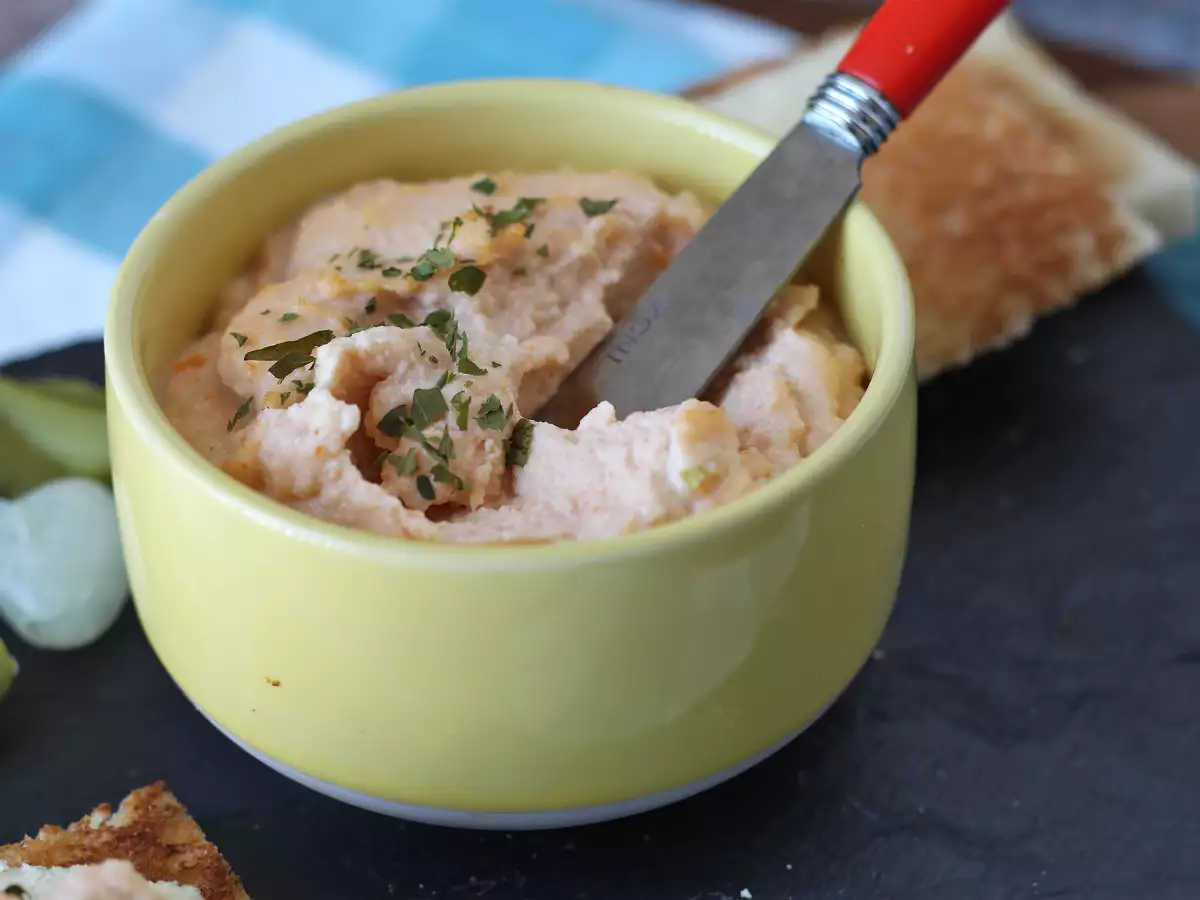
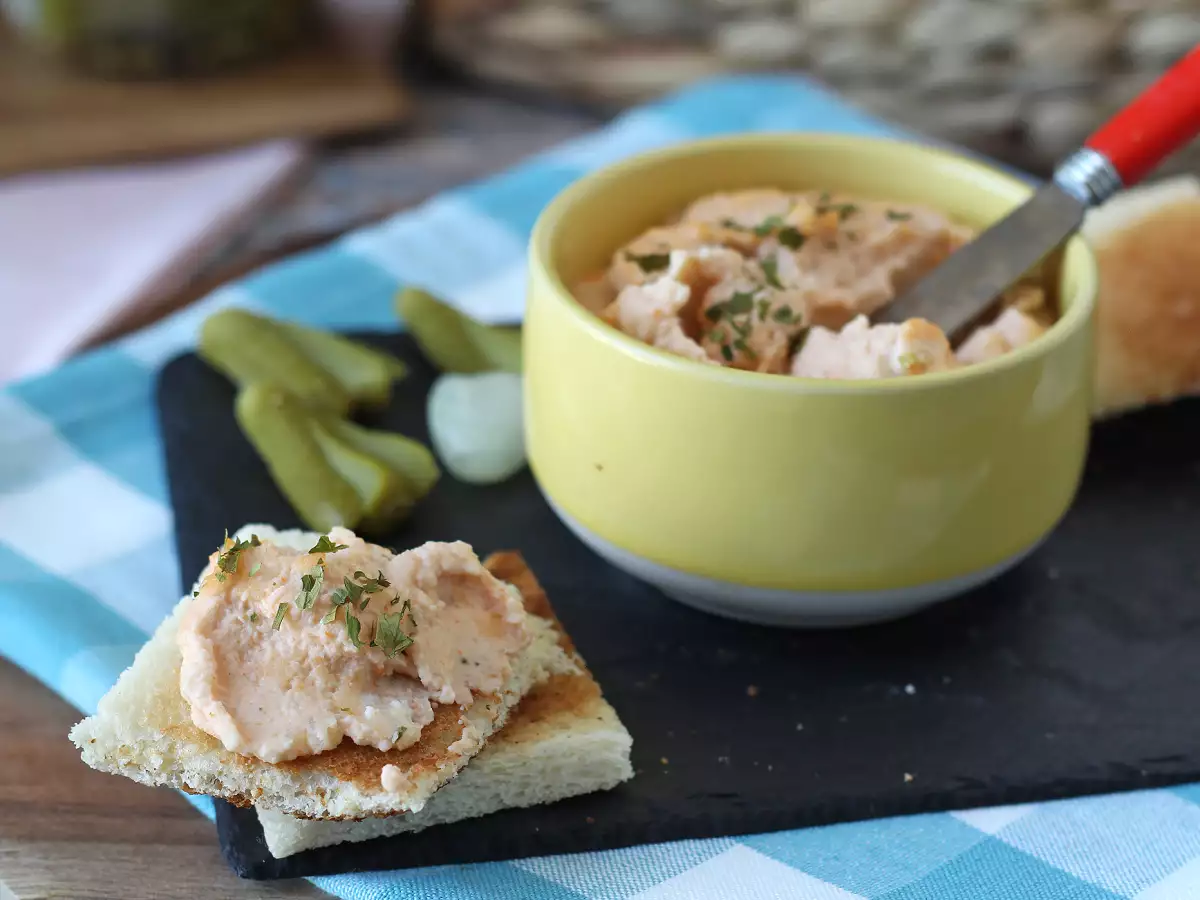
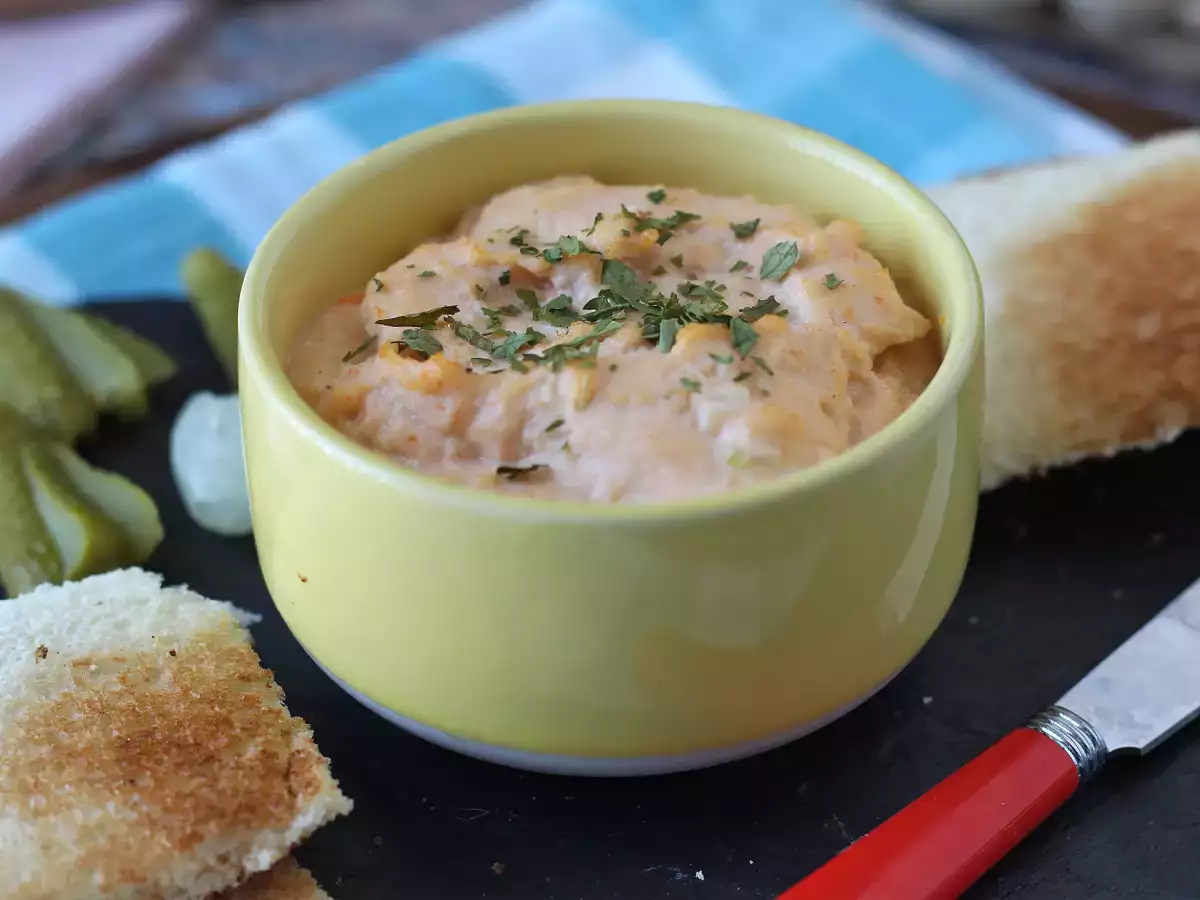
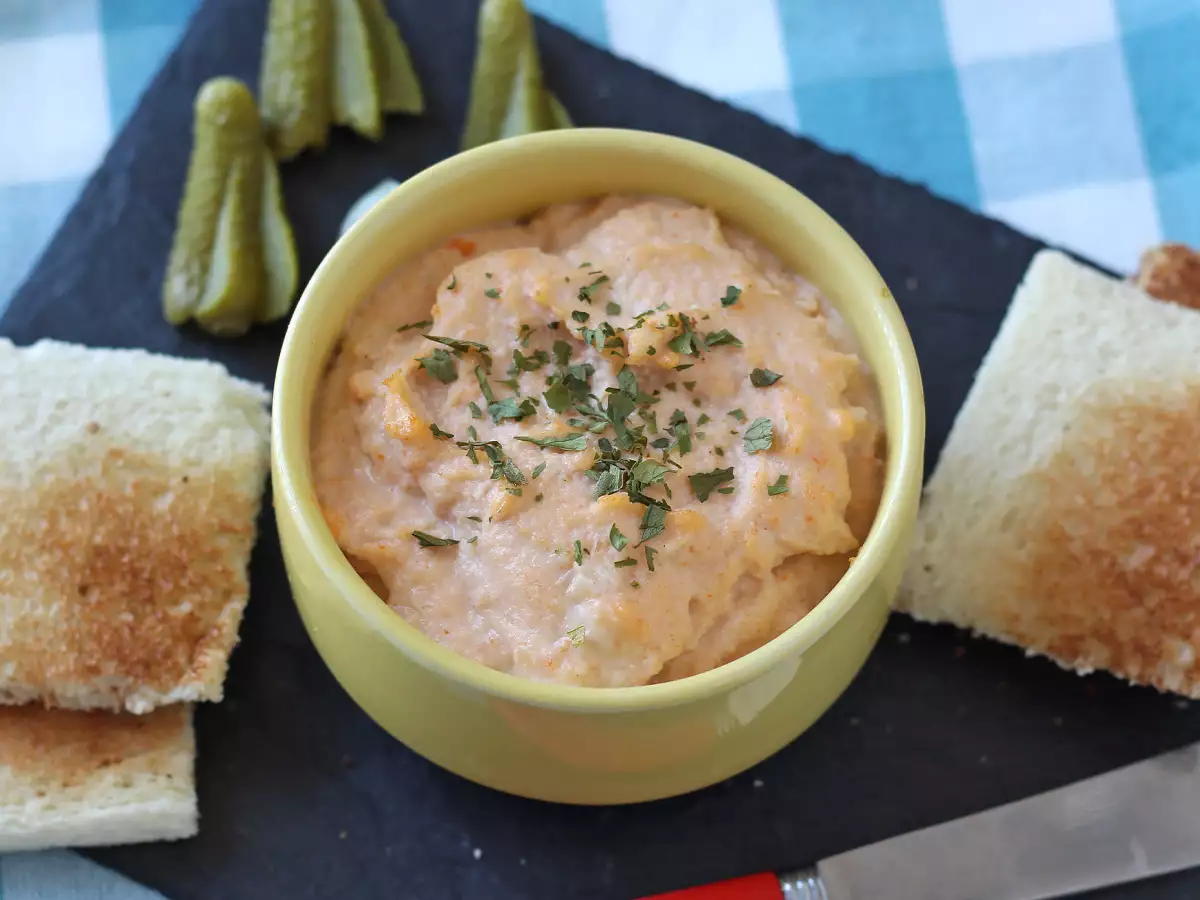
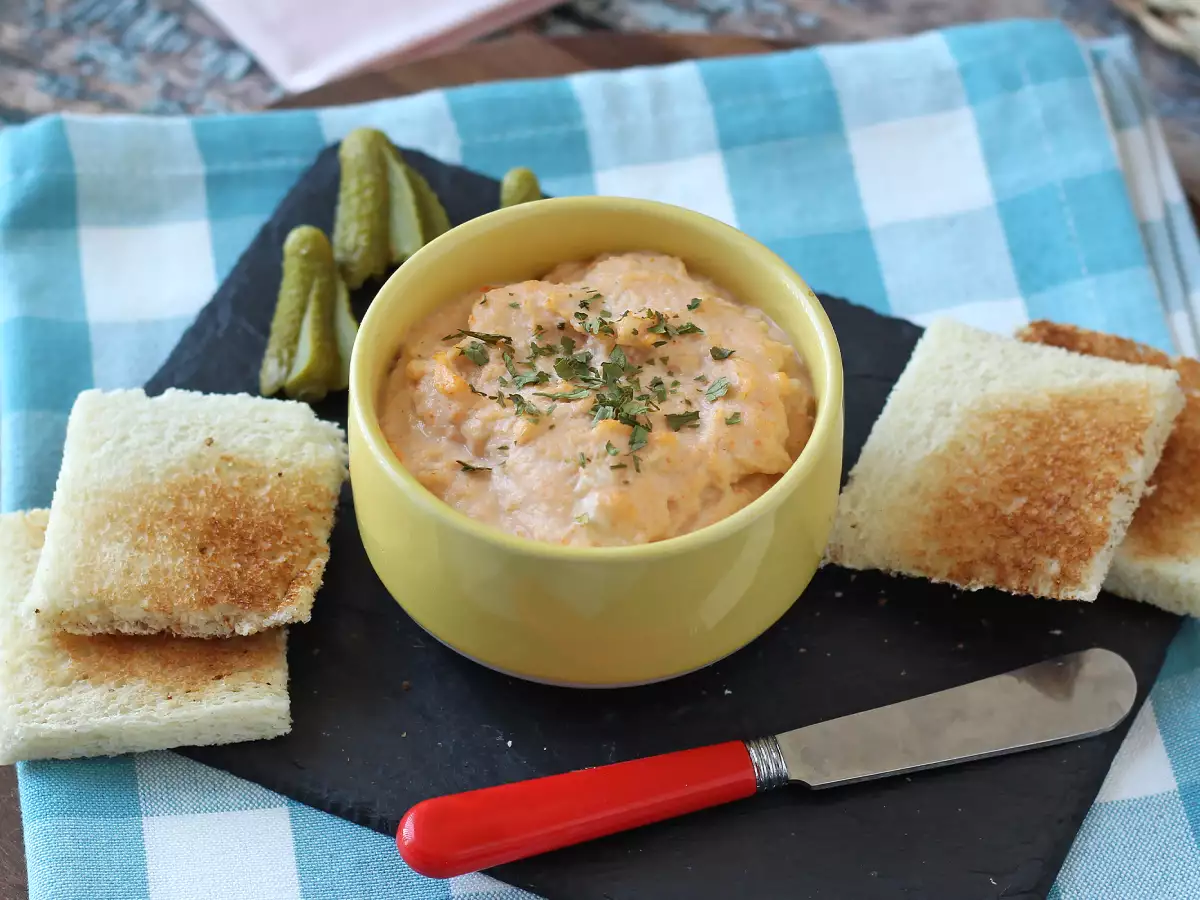
Seafood stick (surimi) spread is a creamy spread made with surimi, a product made from processed white fish that is seasoned and shaped to resemble the flavor and texture of shellfish such as crab. Unlike real shellfish, surimi has a milder flavor, is more affordable and is easier to store. This spread is often served as an appetizer, in sandwiches and in canapés. It also pairs easily with ingredients such as mayonnaise, cream cheese, herbs, lemon and pepper, making it a practical choice for quick meals and snacks.
How can I make creamier seafood stick (surimi) spread?
To get a creamy seafood stick spread, it is important to use a rich, well-balanced base. Common ingredients include mayonnaise, cream cheese, plain yogurt or soft fresh cheese, depending on the desired consistency. Shredding the surimi well before mixing in the other ingredients also helps. A few useful tips:
. Use well-chilled ingredients.
. Mix gently to keep the texture light.
. Leave the spread in the refrigerator for at least 30 minutes before serving.
. This allows the flavors to become more intense and harmonious.
How long does seafood stick spread keep in the refrigerator?
When prepared and stored properly, seafood stick spread usually keeps for 2 to 3 days in the refrigerator, provided it is kept in an airtight container at a temperature below 5°C (41°F). Since it contains fresh ingredients such as mayonnaise or cream cheese, it should not be left at room temperature for long periods. Whenever possible, use clean utensils to serve the spread to avoid contamination that could shorten its shelf life. If its smell, texture or taste changes, it is safest to discard it.
What are the best accompaniments for seafood stick spread?
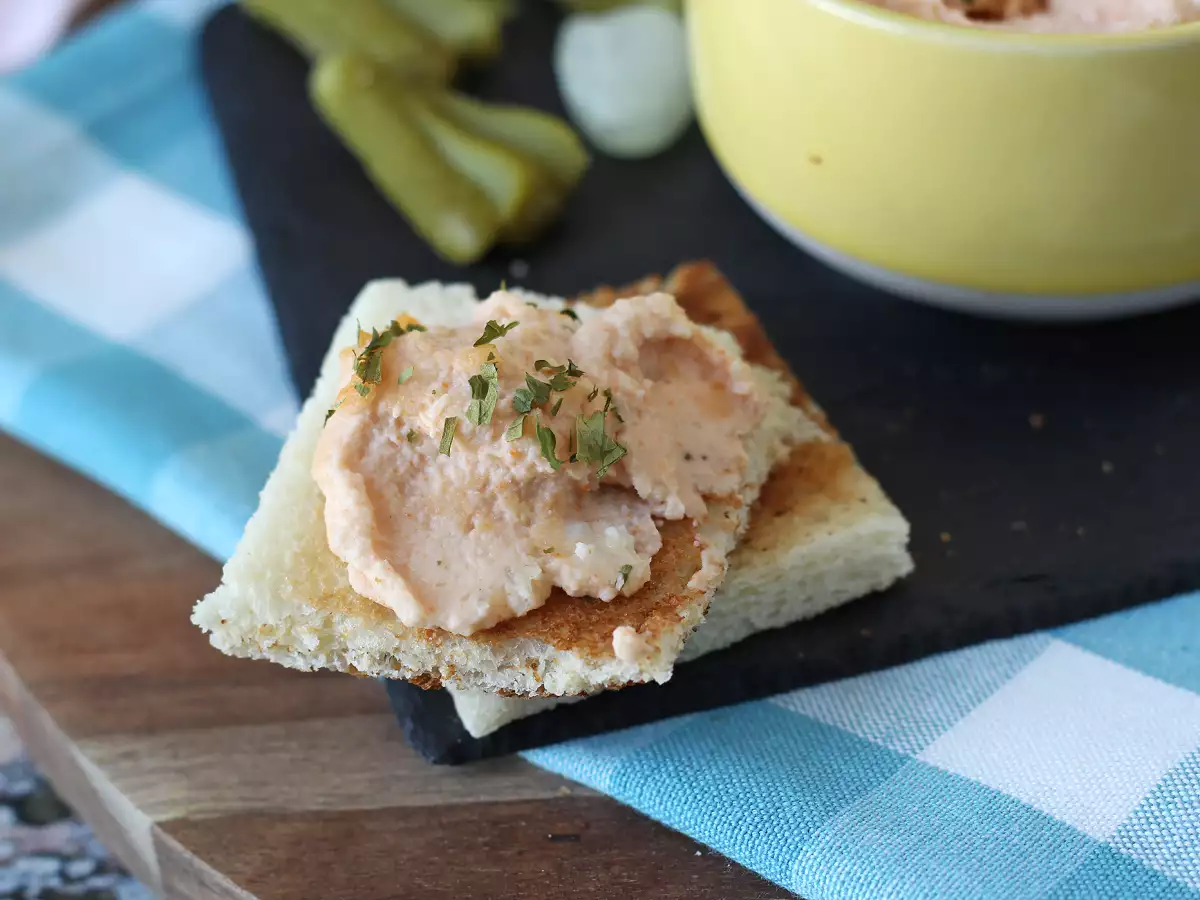
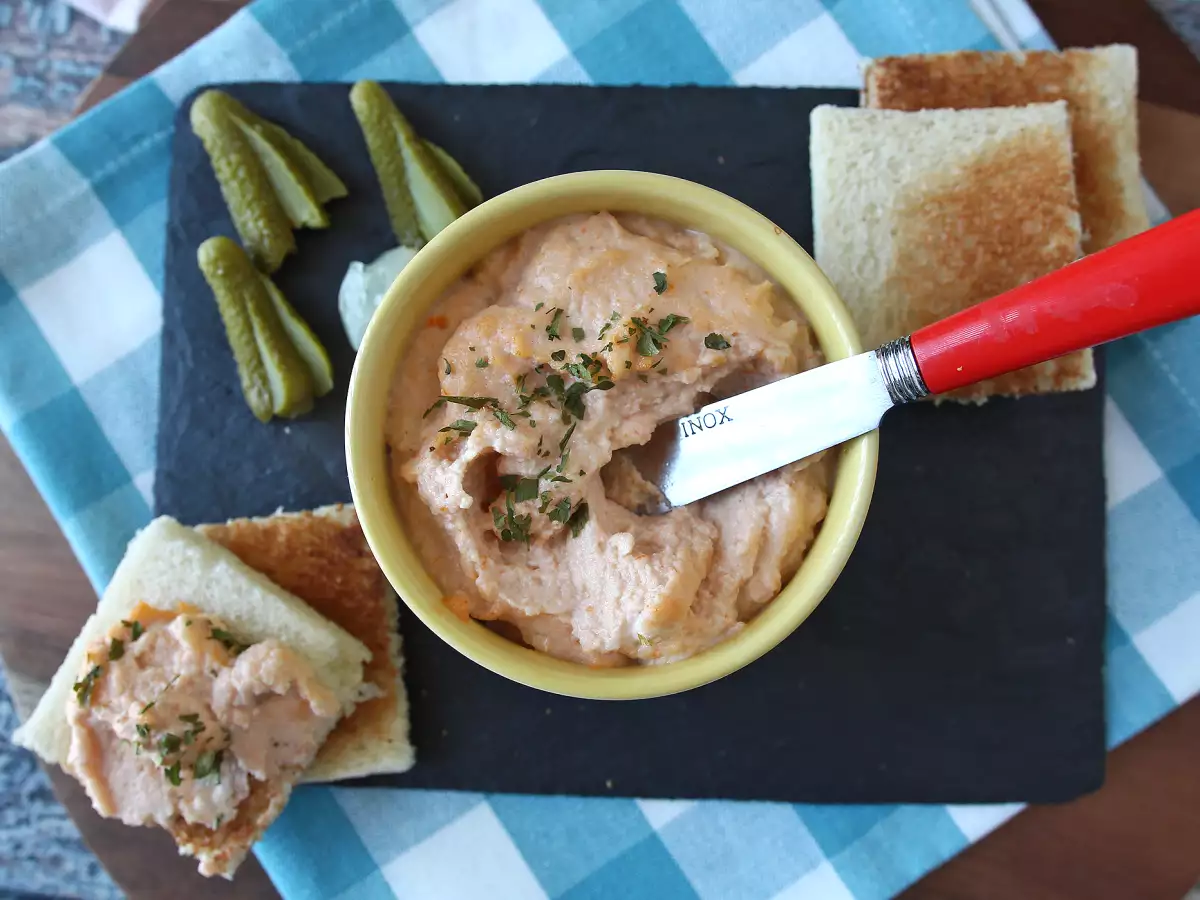
Seafood stick spread is extremely versatile and can be served on many occasions. Popular accompaniments include toast, toasted bread, baguette, crackers, mini toasts and seeded bread. It also goes very well with fresh vegetables such as cucumber, carrot, celery and bell peppers cut into sticks. For a more sophisticated presentation, use the spread to fill vol-au-vents, wraps and sandwiches, or as a topping for canapés. Fresh herbs, lemon zest and chives enhance the flavor without overwhelming the recipe.
Can I replace the mayonnaise in seafood stick spread?
Yes. There are several alternatives for anyone who wants a lighter seafood stick spread or one suited to different dietary preferences. Plain Greek yogurt gives it a creamy texture with less fat, while cream cheese provides more body and a mild flavor. Soft fresh cheese is also an excellent option for a balanced result. For lactose-free versions, you can use plant-based cooking creams or plant-based cream cheese alternatives. The choice of base affects the final texture, while the spread remains versatile and retains its characteristic flavor.
What are the most common mistakes when making seafood stick spread?
A few mistakes can affect the flavor and texture of seafood stick spread. The most common is adding too much liquid, which makes the mixture excessively soft. Another common mistake is adding too much salt, since surimi is usually already seasoned. It is also important not to process the ingredients for too long, as this can turn the spread into a paste with no texture. For the best results, mix gently, adjust the seasoning at the end and let the spread rest in the refrigerator before serving so the flavors can meld.
Can seafood stick spread be frozen?
Although seafood stick spread can technically be frozen, this is not recommended. Ingredients such as mayonnaise, cream cheese and yogurt tend to separate after thawing, changing the texture and reducing the creaminess. The flavor usually remains, but the consistency may become grainy or watery. To preserve the best quality, it is best to make only the amount you need and eat the spread fresh within the next few days. If you have any left over, keep it refrigerated in a properly sealed container.
How can I add more flavor to seafood stick spread without masking the taste of the surimi?
The key is to use ingredients that enhance surimi’s delicate flavor without overpowering it. Excellent options include lemon juice and zest, chives, parsley, dill, freshly ground black pepper and a small amount of mild mustard. Garlic powder and sweet paprika can also add depth when used sparingly. Avoid very strong seasonings or too much heat, as they can mask the main flavor. A balance of freshness, acidity and creaminess makes for a tastier, more enjoyable spread.