Crab sticks usually contain no crab: how to spot high-quality surimi and choose the best one

Crab sticks look like one thing but are actually something else. It’s not a scam if the label is done right, but it’s important to know how to read it: we’re usually talking about surimi, a white fish paste processed to mimic the texture and mild flavor of seafood. We’ll tell you what to look for to distinguish a product worth buying from one that offers little more than texture and aroma.
What is surimi, really?
The important thing to remember: surimi is not crab. It may contain flavorings or extracts that evoke the taste of seafood, as well as food coloring to give it a reddish hue, but its base is usually fish. So the useful question isn’t “Does it contain crab?” but rather what kind of fish it contains and in what proportions.
The first figure to look at: the percentage of fish
On an ingredient list, order matters: the first item listed is the one that makes up the largest portion of the recipe. If the package indicates a high percentage of fish, that’s usually a good sign, because it means the product relies less on starches, water, and fillers to add volume.
A better-quality surimi doesn’t have to be the most expensive or come in the prettiest package. Look for products that specify the species or type of fish, where the fish appears at the top of the list, and where the list is easy to understand. If the product boasts a “crab flavor” but the fish is listed far down the list, you’re mainly buying texture and aroma—not so much actual fish.
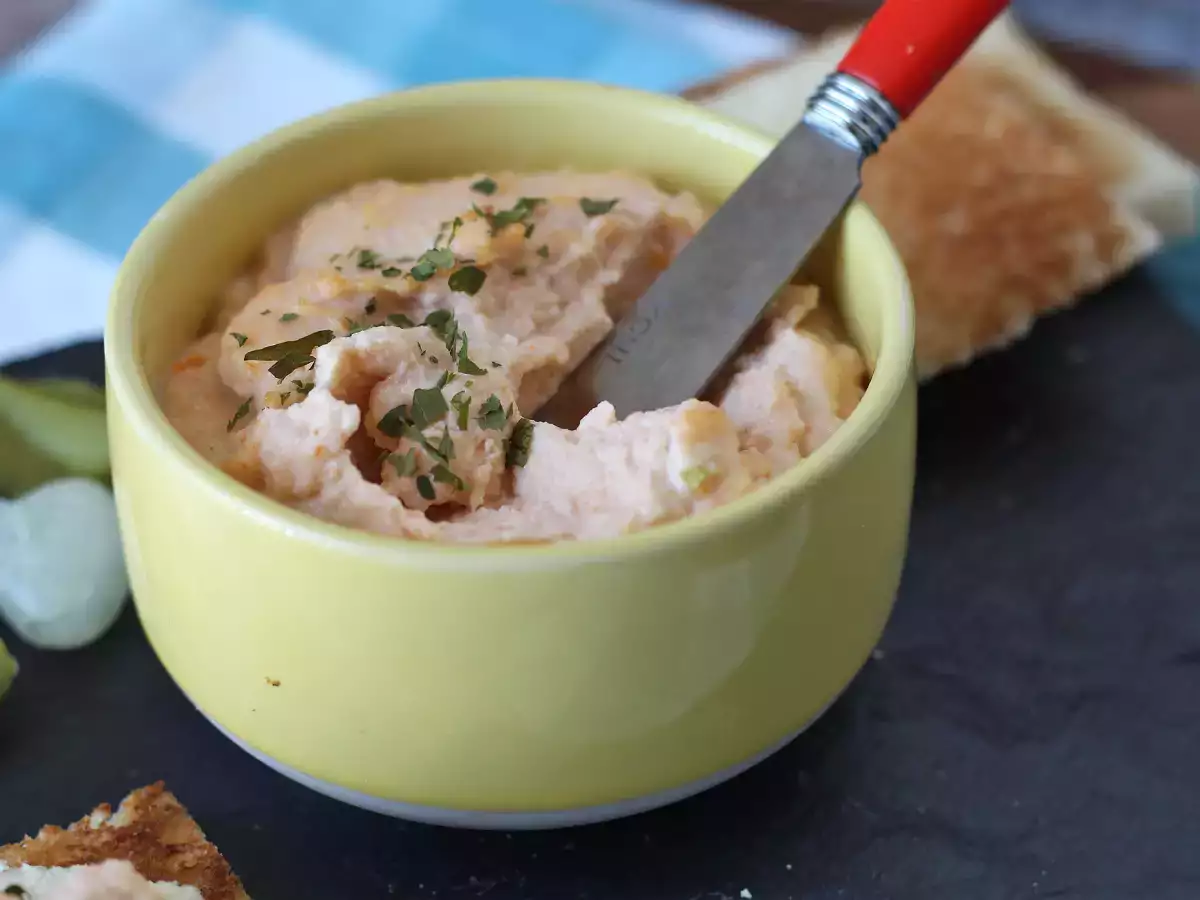
Sometimes the simplest recipes are the best. This surimi spread is made with just a few pantry staples and is perfect for cocktail hour, buffets or picnics. With the mild flavor of surimi, a touch of onion and a creamy sauce , it’s delicious...
Protein, salt, and texture: the label says it all
Crab sticks can be a source of protein, but not all of them provide the same amount. Compare the nutritional information per 100 g: more protein usually indicates a higher proportion of seafood or a less diluted formula. You don’t need to look for perfect numbers; just compare two packages side by side.
Next, check the salt content. Surimi needs salt for flavor and texture, but some brands go overboard. If you’re going to use it in salads with mayonnaise, pickles, or salty sauces, choosing a less salty option makes a noticeable difference. Texture matters too: a good stick should separate into soft strands, not snap like rubber or release excessive water.
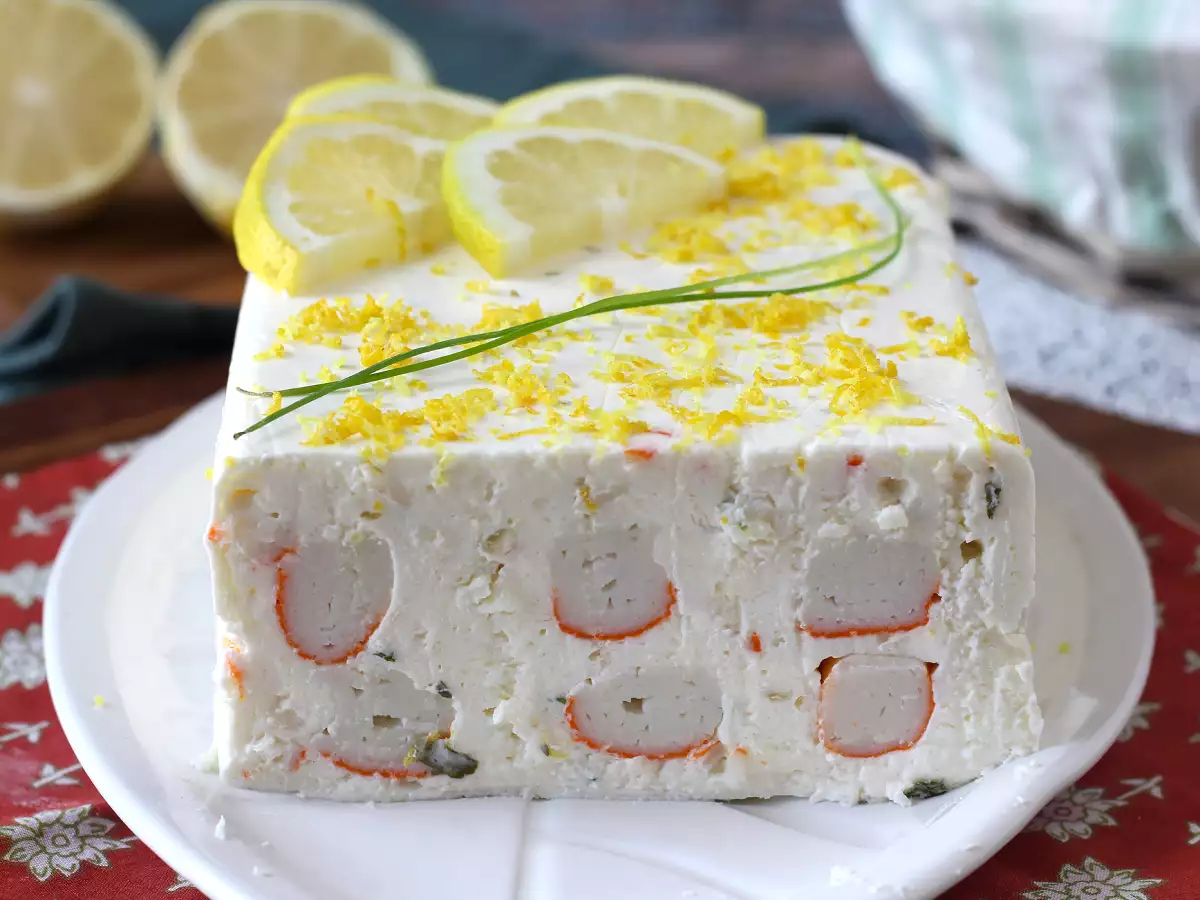
Fresh, creamy, and full of elegance, this surimi terrine is the perfect when you want to impress without spending hours in the kitchen. Prepared without an oven or any cooking , it’s best served well chilled and instantly adds a touch of...
Additives: they are not the only factor, nor are they automatically the enemy
The sensible approach is to look at the big picture: the percentage of fish, protein, salt, sugars, starches, and allergens. A product with two additives and a high fish content may be a better choice than one with a “pretty” list of ingredients but low protein. You don’t read the label with fear; you read it methodically.
Allergens: the non-negotiable issue
Always check the allergen section and the complete list of ingredients. If you have an allergy to fish, eggs, gluten, or shellfish, it’s best to err on the side of caution. And if the packaging doesn’t clearly state what’s inside, it’s better not to take any chances.
How to shop at the supermarket in 30 seconds
Try this quick test. First: check if fish is listed first and if its percentage is specified. Second: compare the protein content per 100 g. Third: choose the option with the least salt if the rest is similar. Fourth: check for allergens. Fifth: be more skeptical of vague claims than of technical terms.
Surimi can be a convenient addition to a meal: in a salad, a quick pâté, or a cold summer dish. It’s not a substitute for good, fresh fish—nor does it need to be. Its role is different: to be convenient, inexpensive, and versatile. Chosen wisely, it can be worth it.
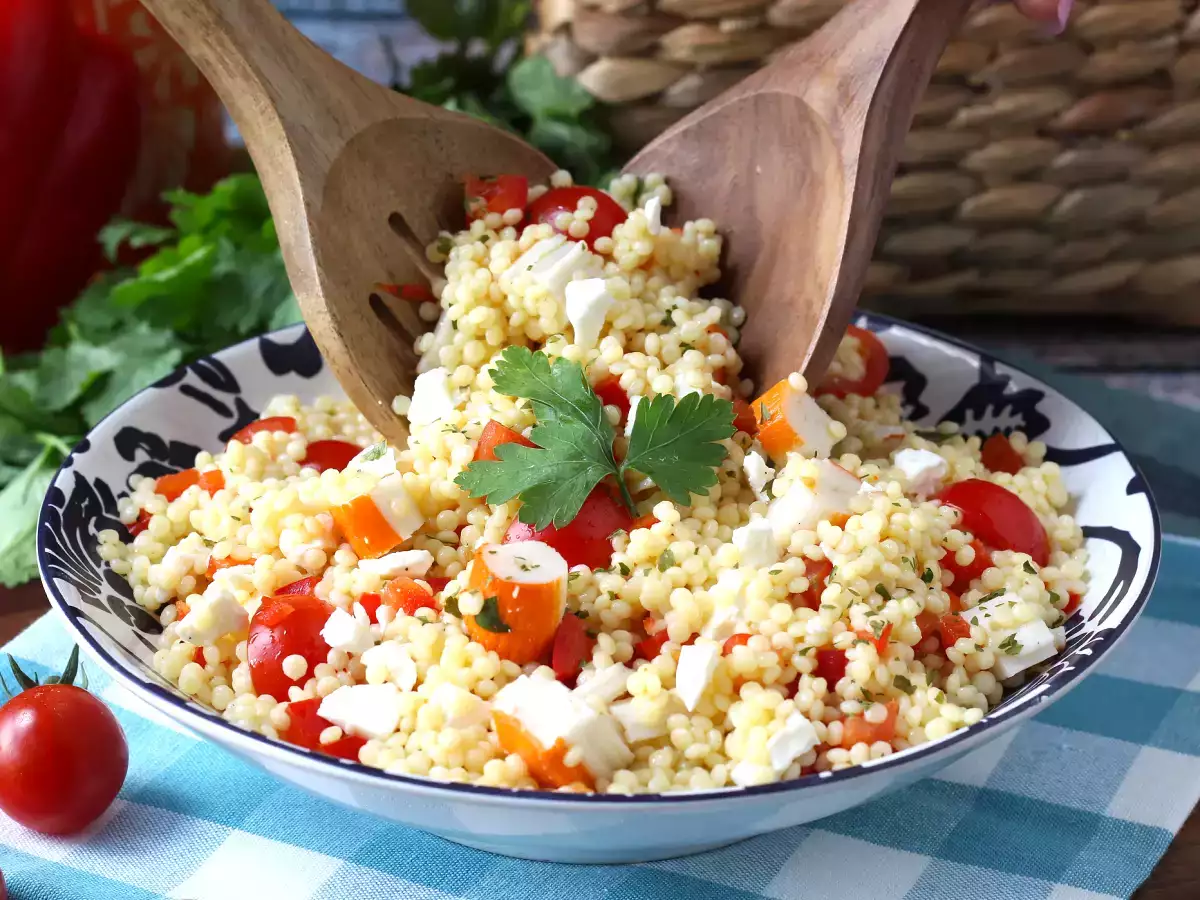
In the mood for a fresh, colorful salad that’s sure to lift your spirits? This pearl couscous salad with seafood has everything it takes to become a must-have for sunny meals! We love its slightly firm texture, its mild and balanced flavors, and...
 Patricia González
Comments