Could a high-protein breakfast help teens eat more healthily and avoid overeating during the day?
What the study looked at
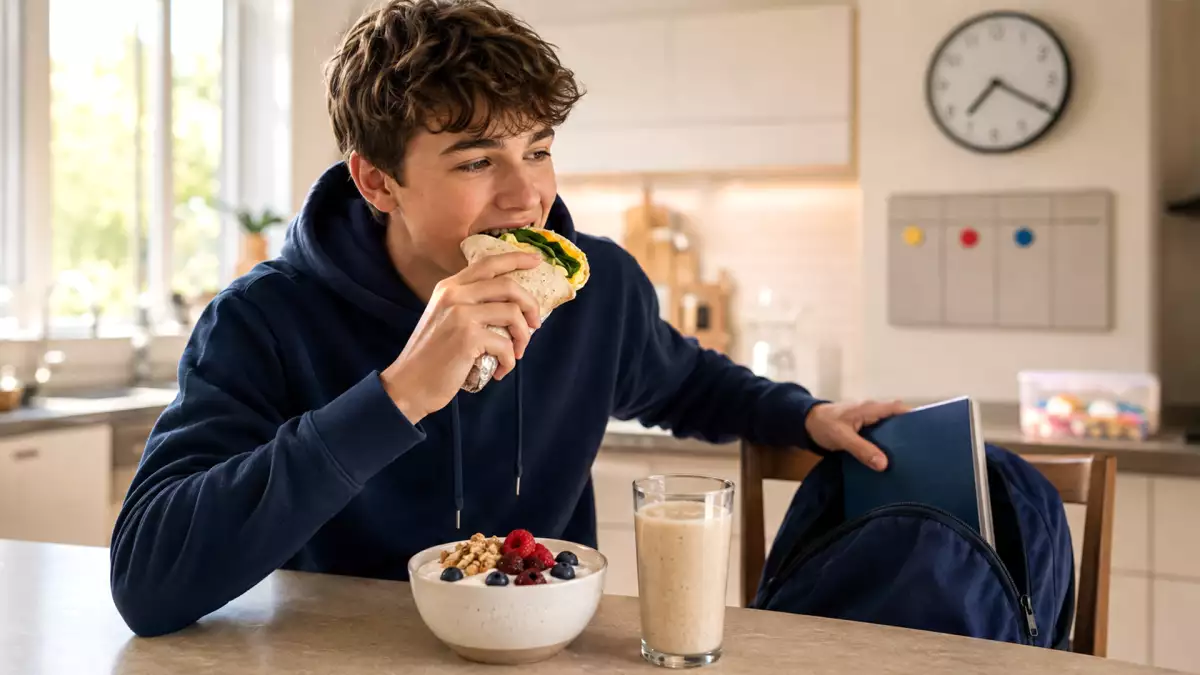
The breakfast meals included teen-friendly options such as burritos, quesadillas, egg scrambles and smoothies. That detail matters because the most nutritious breakfast in the world is not useful if nobody actually eats it. The study tried to keep breakfast realistic, familiar and convenient: exactly what busy families need.
At three and six months, researchers compared what the teens ate across the day. The interesting part was not just breakfast itself, but how breakfast seemed to affect the rest of the day.
What did the researchers find?
The study also found that both breakfast groups ate fewer desserts, sweets and candy than the teens who kept skipping breakfast. The high-protein group went further, consuming less added sugar than everyone else.
That is the key takeaway: breakfast did not necessarily mean more calories. It seemed to mean better calories: more useful nutrients and fewer sugary extras later on.
Why protein at breakfast may help
For teens, that satisfaction matters. A breakfast that is too sugary or too small may leave them hungry again quickly, which can make sweets, vending-machine snacks or random grazing more tempting. A breakfast with protein gives the morning more staying power.
A portable egg-based wrap is a great example of the kind of breakfast that feels filling, savoury and realistic on a busy morning.
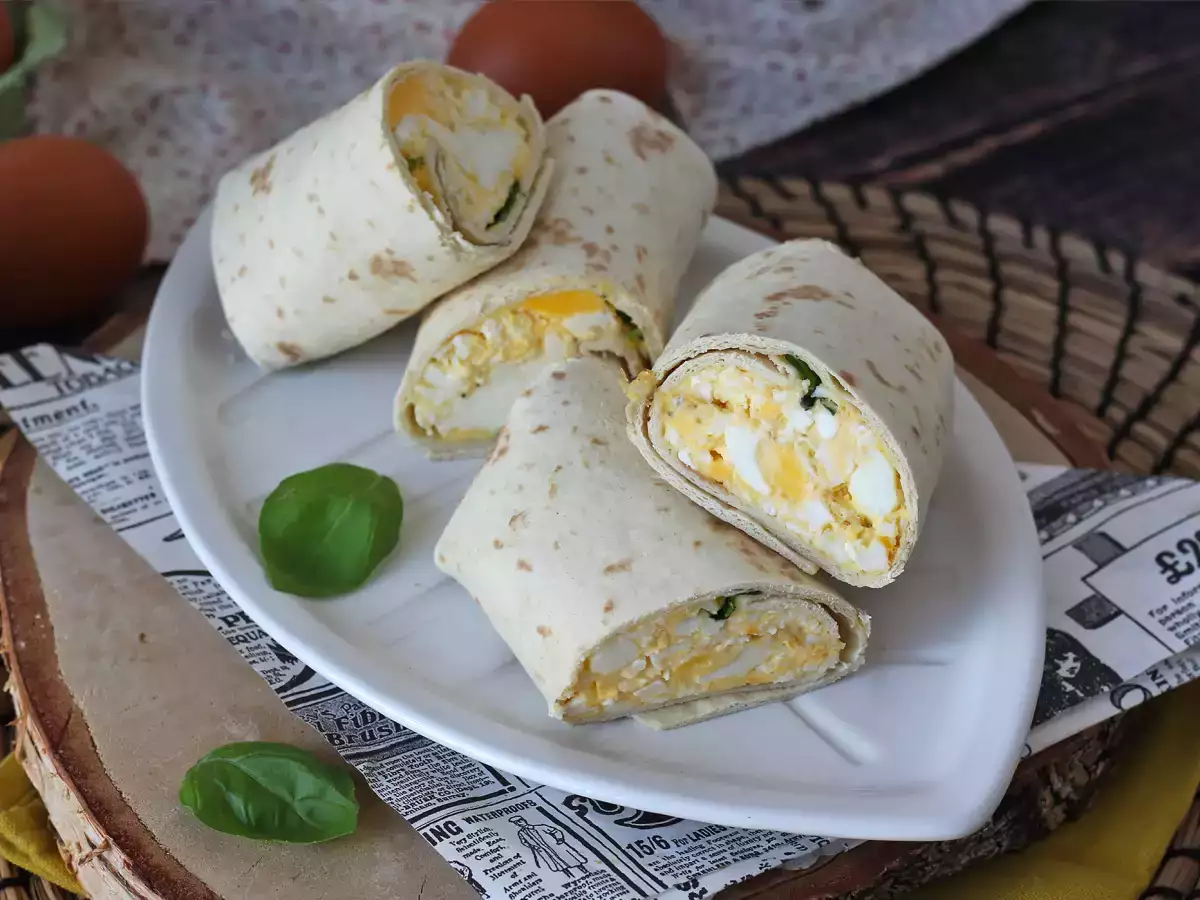
The egg and feta wrap is a quick, light and tasty option for any time of day. The filling is made in the oven and only takes 18 minutes. The recipe can be customized with ingredients such as tomatoes, lettuce or herbs like basil, oregano...
Make it convenient, or it will not happen
This is where make-ahead options shine. A high-protein breakfast does not need to be cooked from scratch at 7:12 a.m. It can be baked the night before, portioned into containers or made as a wrap, muffin, toast or bowl. The goal is not a perfect brunch plate. The goal is something nourishing that actually gets eaten.
A batch of savoury, protein-friendly muffins can be an excellent grab-and-go breakfast when paired with fruit or yogurt.

For a soft and original appetizer, try our tuna, tomato, and feta muffins! Easy to make, they will find their place among your chips and peanuts. You can also take them on a picnic or serve them with a mixed salad for a simple dinner. Step by step,...
Eggs are still a breakfast hero
An omelette can be kept simple or upgraded with cheese, vegetables, herbs or leftover cooked ingredients. It also works well in a sandwich or wrap for a more portable option. The trick is to avoid making breakfast feel like another chore. If the teen likes it and it can be ready quickly, it counts as a win.
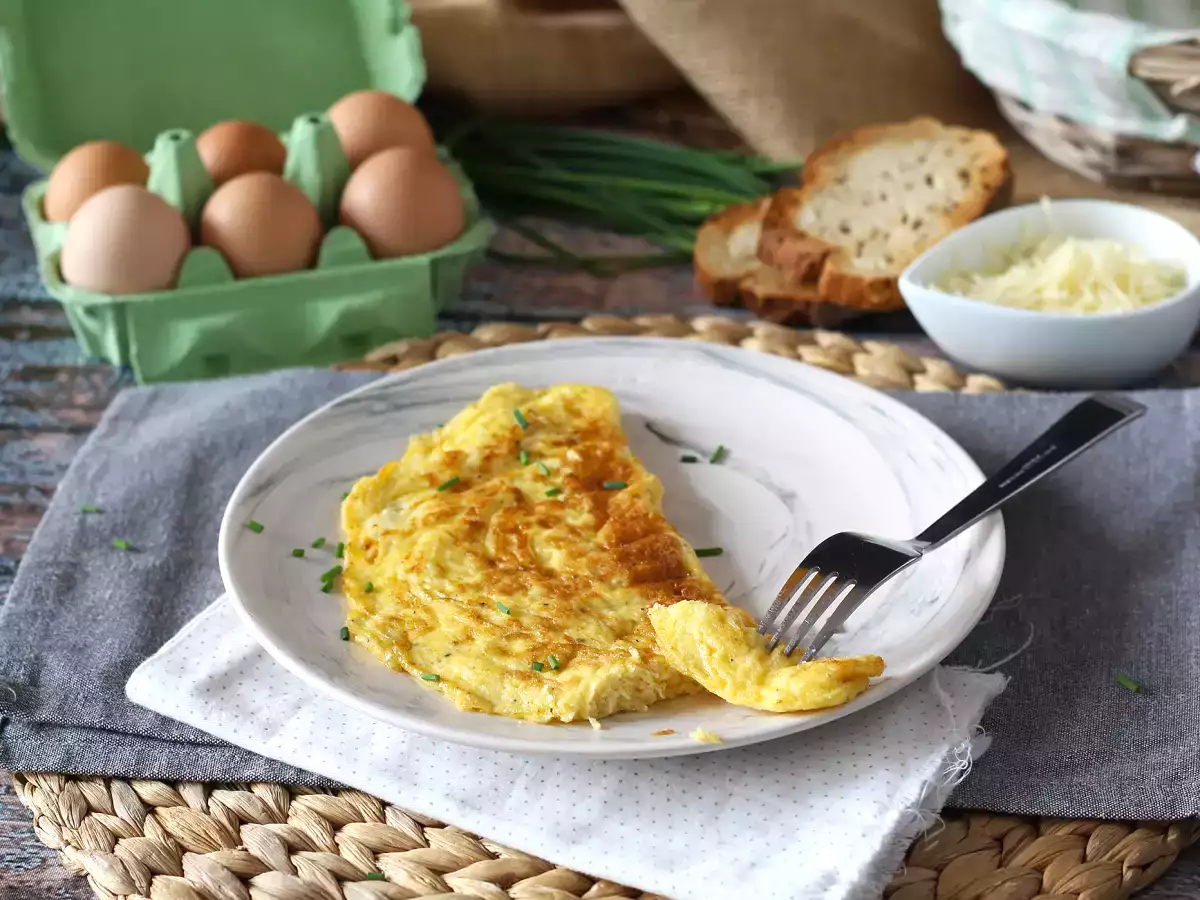
Heat up your frying pan to prepare your best omelette in no time! Nothing is better and easier to make than an omelette for breakfast, brunch or just for lunch accompanied by a salad for a balanced meal ready in just a few minutes . And for even...
Sweet breakfasts can be protein-rich too
The useful shift is to make sweet breakfasts more balanced: add protein, include fruit, and avoid turning breakfast into dessert with a spoon. A protein pancake or waffle can feel fun while still being more filling than a plain pastry.
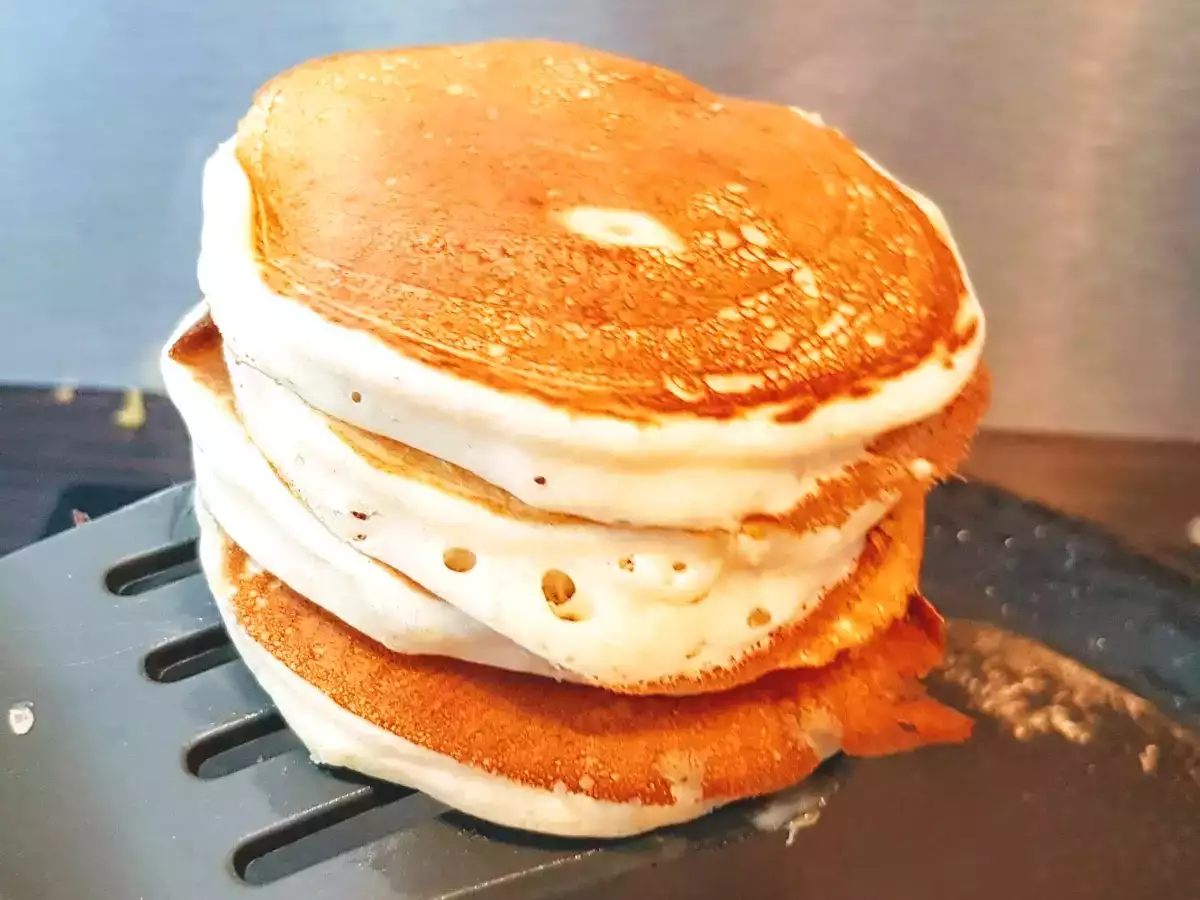
Looking to boost your energy before a workout or prepare a high-protein breakfast to kickstart your day? These pancakes are your ideal ally! Soft and lightly browned, these pancakes are ultra-nutritious thanks to whey protein, keeping you active all...
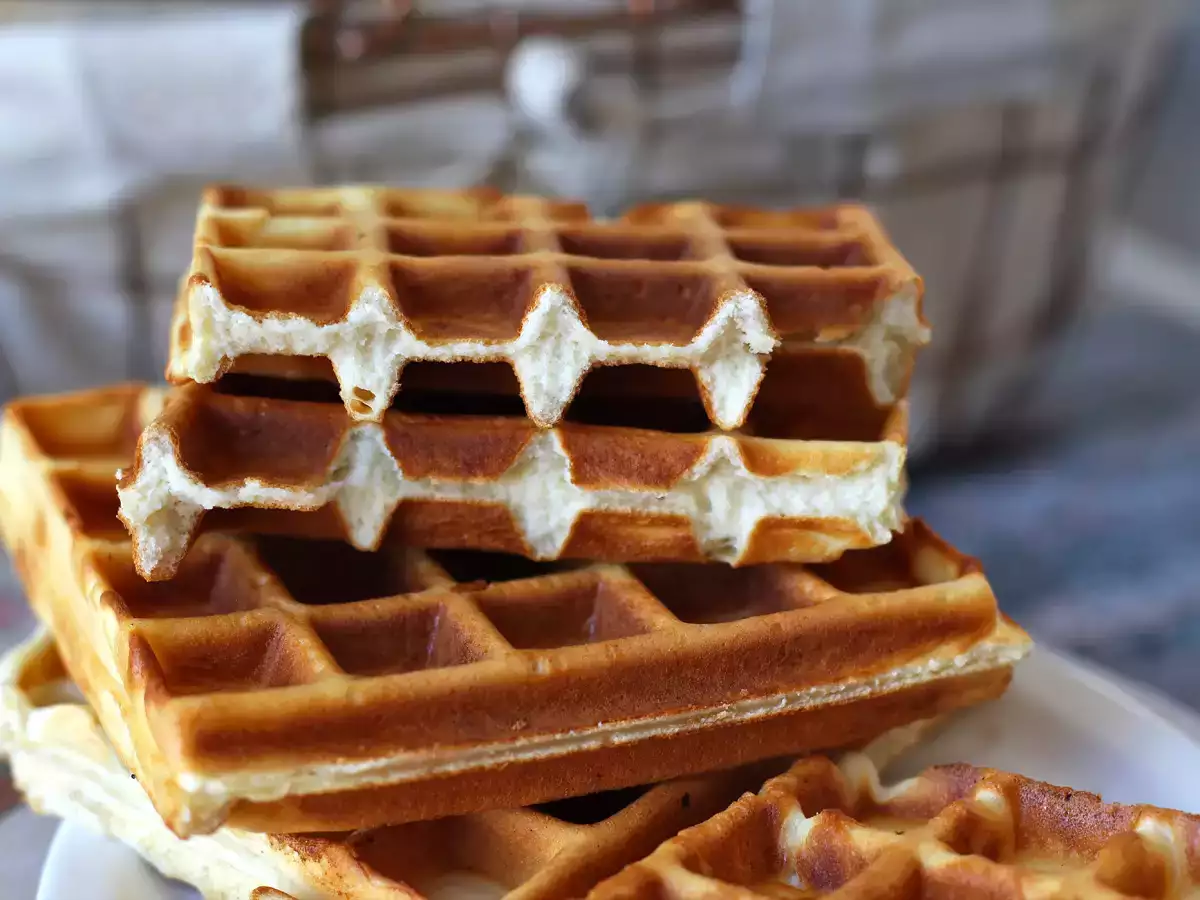
Fluffy , easy-to-make waffles that boost your protein intake ? It's possible, and super tasty too! With this whey-based recipe, you can revisit the classic breakfast or afternoon snack waffles in a more balanced version, without losing any of...
Yogurt bowls are quick, colourful and teen-friendly
The best version includes protein, fibre and colour. Add berries, banana, apple, nuts, seeds, oats or a little dark chocolate depending on taste. The point is not to make a perfect wellness bowl. The point is to make a breakfast that is fast, filling and more appealing than skipping.
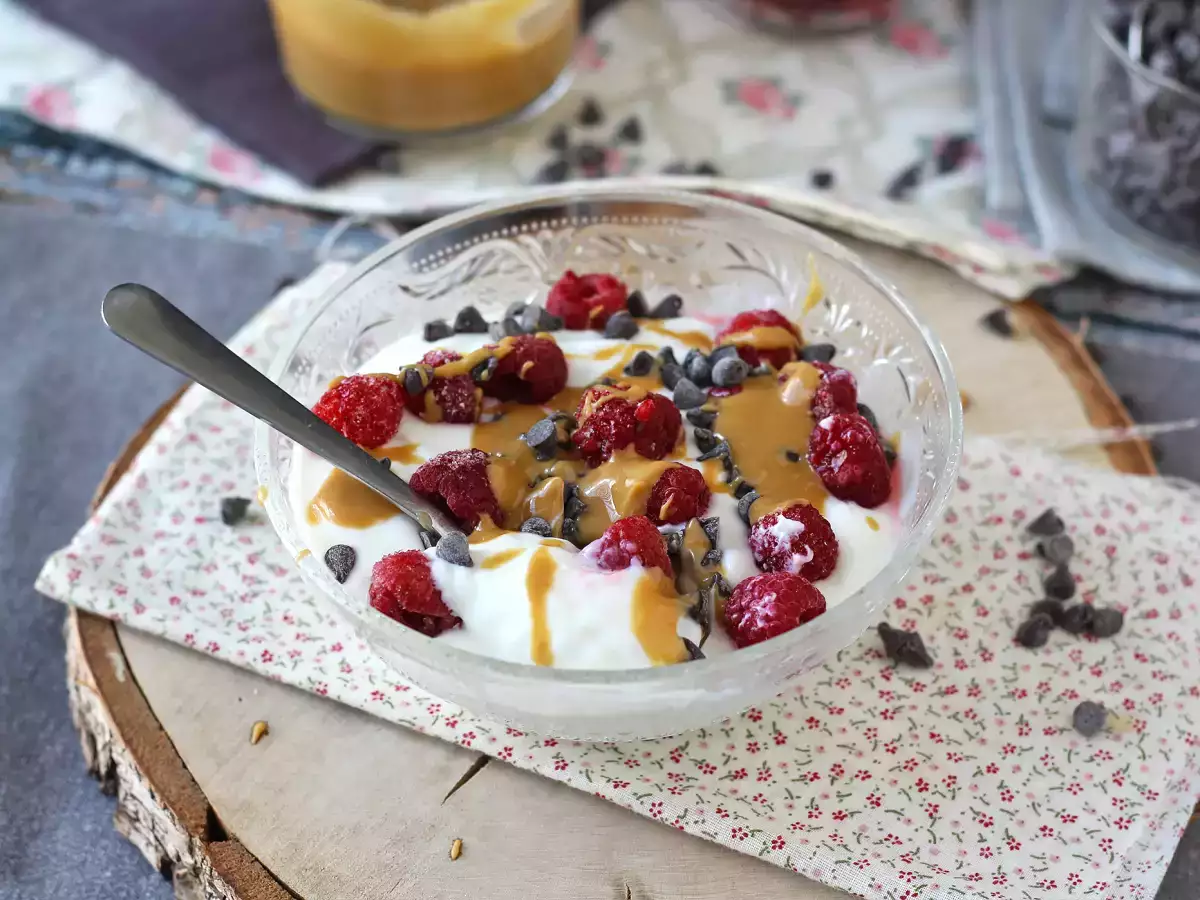
How about starting the day with a skyr bowl that's as beautiful as it is delicious? :) A base of plain skyr yoghurt , enhanced by the sweetness of raspberries, the indulgence of peanut butter , and the crunch of chocolate chips, in short, a...
What about teens who are not hungry early?
Timing can be flexible too. Breakfast does not have to happen the second a teen opens their eyes. A portable option eaten on the way to school, during a morning break or after an early activity may be more realistic. The habit should feel supportive, not stressful.
Keep the study in perspective
The study also focused on adolescents and young adults who regularly skipped breakfast, so the results may not apply to every teen. Some teens already eat breakfast, some have different medical or dietary needs, and some may need individual advice from a registered dietitian or healthcare professional.
Still, the idea is practical and low-drama: offering a convenient, protein-rich breakfast is a simple habit that may support better eating across the day.
A simple high-protein breakfast formula
Other breakfast-friendly ideas can include a warm egg-and-bacon muffin, a protein-rich bread with yogurt and eggs, or a savoury toast with salmon or cheese. The best choice is the one that fits the morning routine without causing a family negotiation at 7 a.m.

For a delightful Sunday brunch, these easy egg and bacon English muffins are perfect! Step-by-step, this simple recipe is foolproof. Tested and approved by the entire Ptitchef team ;-) With just a few minutes of baking, you'll achieve a perfectly runny...
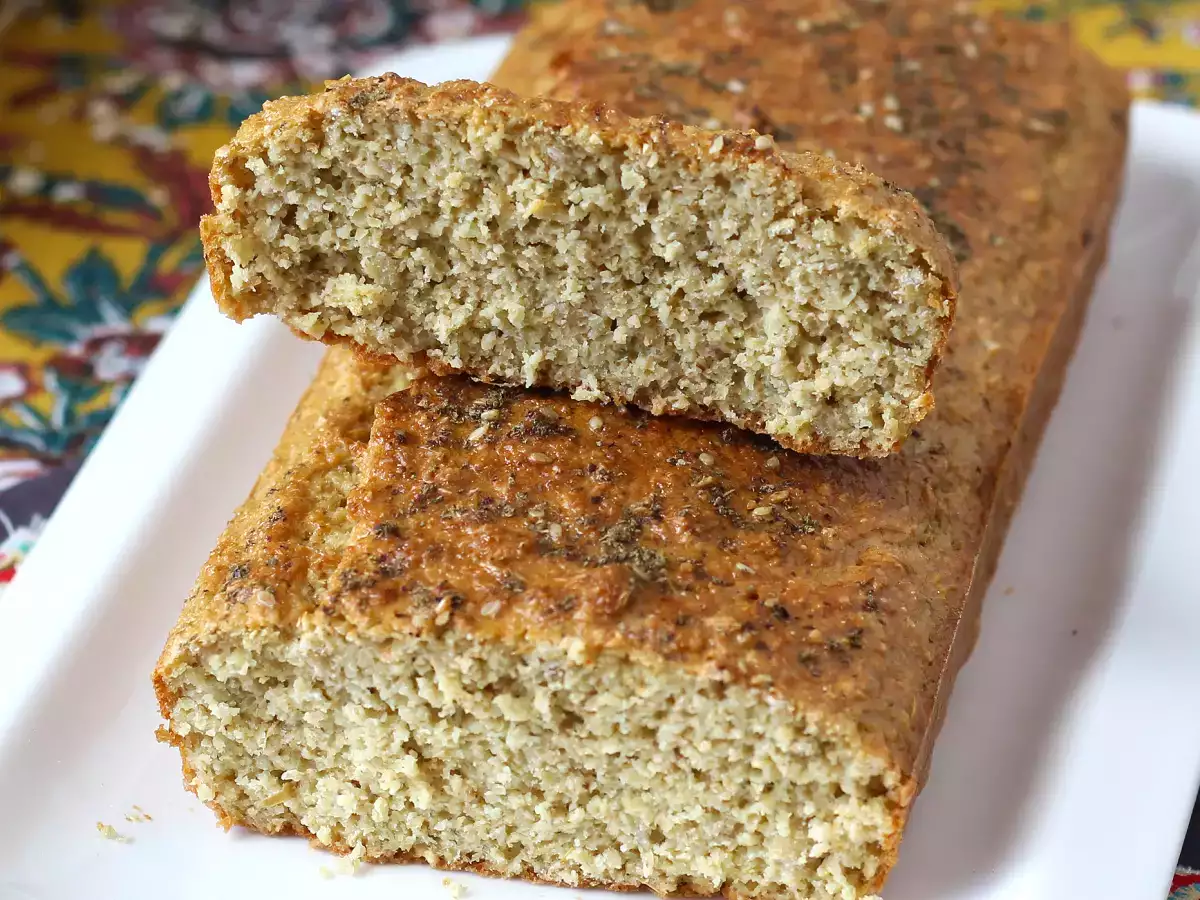
If you're looking for a healthy , light and high-fiber alternative to bread our daily bread, you'll fall in love with this recipe made with 3 main ingredients: oatmeal , eggs and natural yogurt. Perfect for an energetic start to the day or to...
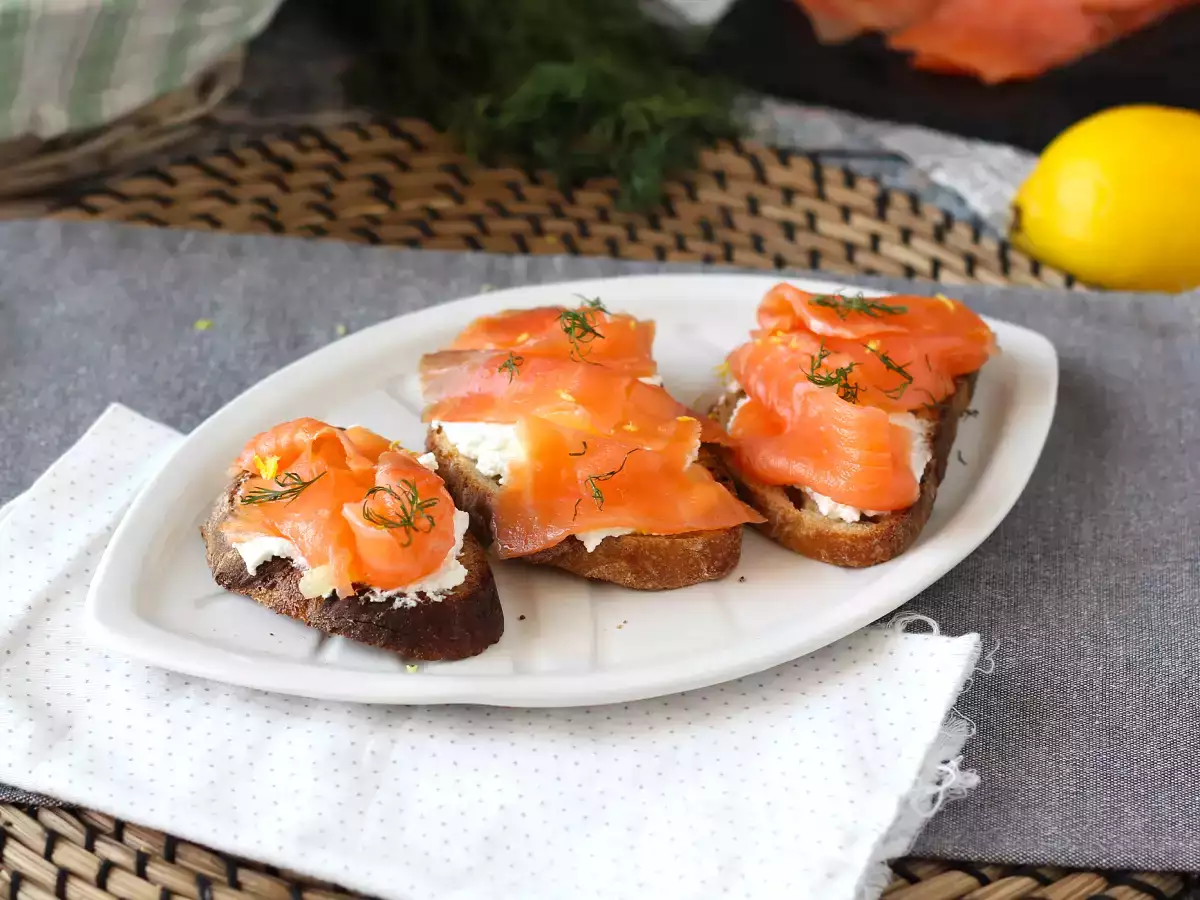
For a delicious, quick-to-prepare meal on the go, nothing beats toast, right? These little slices of smoked salmon and goat cream cheese will be perfect with a salad for lunch , or for a movie night! Let's prepare these little toasts in less than...
The takeaway
The cheerful lesson is not that breakfast has to be perfect. It just has to be realistic, protein-rich and appealing enough to eat. Eggs, yogurt bowls, wraps, muffins, pancakes and waffles can all fit, especially when they are prepared ahead or easy to grab.
So if a teen in your home usually skips breakfast, the best first step may be wonderfully simple: offer something filling, familiar and quick. Not a lecture. Not a nutrition spreadsheet. Just a good breakfast that makes the rest of the day a little easier.
 Juliette Hess
I love travelling and discovering new dishes, trying out new food trends and exploring new restaurants.
I’m a huge fan of pasta and noodles in all their forms ❤ from udon noodles to tagliatelle, I love cooking them and even making them from scratch!
I’m currently preparing, filming and photographing your next recipe, and I hope you’ll enjoy it!
Comments