Feel wiped out after lunch? Carb swaps to beat the post-lunch crash without cutting carbs at all
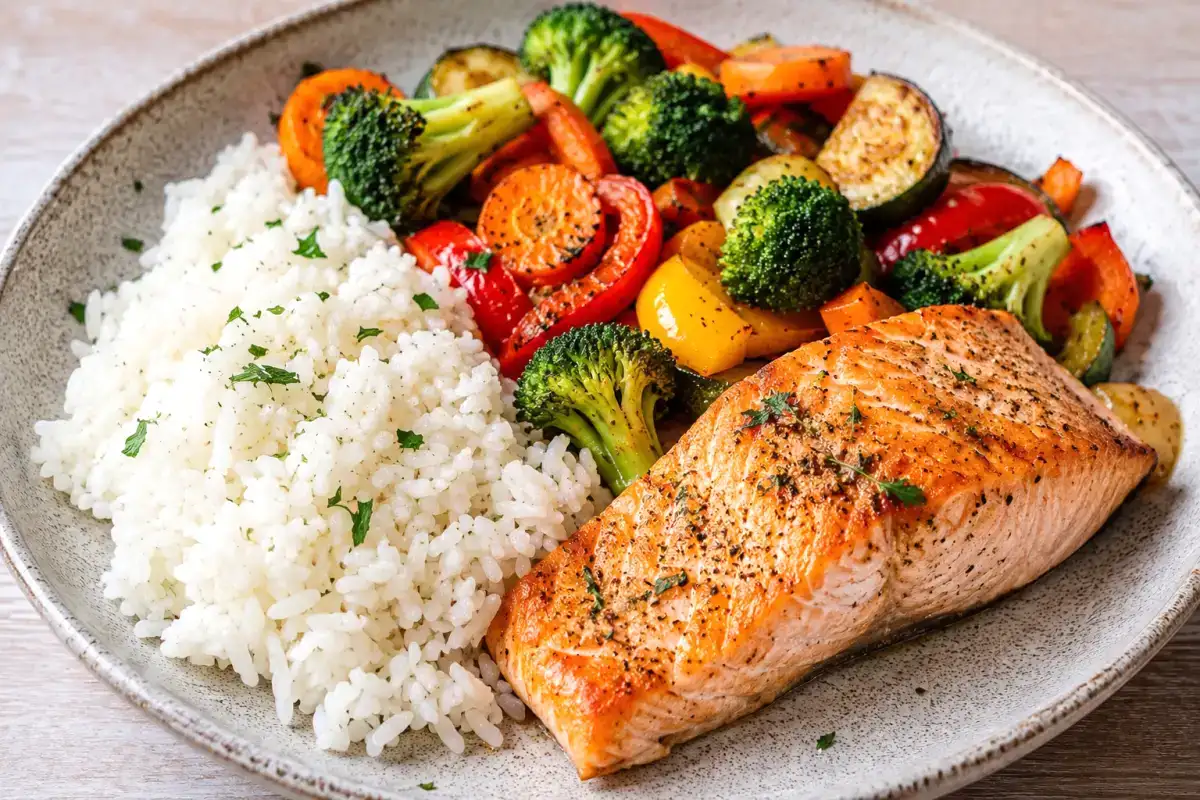
Bread, oats, rice, potatoes, and legumes can all be part of hearty, balanced meals. What makes the difference is the type of food, the portion size, and especially what you pair it with: a source of protein, vegetables or fruit, and an appropriate amount of fat.
The idea isn’t to label carbohydrates as “good” or “bad,” but to understand why a complete meal is usually more filling than one based almost exclusively on sugar or refined flour.
Very sweet foods and more filling sources of carbohydrates: What's the difference?
In contrast, foods such as oats, whole-grain bread, legumes, rice, potatoes, or other grains can also provide starch, fiber, and a more substantial texture. When combined with protein and vegetables, they can make a meal that keeps you full longer.
There’s no need to cut out dessert or sugar entirely. The frequency, amount, and context of a meal matter more than strictly categorizing a single food.
A simple rule: don't leave carbs on your plate by themselves
1. A source of carbohydrates: oats, bread, rice, potatoes, pasta, polenta, or legumes.
2. A source of protein: eggs, yogurt, cheese, fish, meat, tofu, or legumes.
3. Vegetables or fruits: for volume, fiber, flavor, and variety.
4. A source of fat: olive oil, avocado, nuts, seeds, or other ingredients used in appropriate amounts.
This combination is more useful than simply asking, “Does it have carbohydrates or not?” Carbohydrates can stay on the plate; what matters is how the entire meal is put together.
Oatmeal and bread: two simple breakfast staples

Here's a breakfast that combines indulgence and balance: overnight oats with red berries and chocolate ! Prepared the night before in just a few minutes, this bowl will be waiting for you when you wake up, ready to enjoy. The rolled oats and chia...
Bread can just as easily be incorporated into a complete breakfast. A slice of bread paired with an egg, fresh cheese, Greek yogurt, or another protein source, plus tomatoes, cucumbers, arugula, or a piece of fruit, is very different from a breakfast consisting solely of white bread with a very sweet spread.

Fancy a taste of summer on toast? Here's a simple recipe full of flavor: toast with roasted apricots, arugula, and burrata . Between the tender, honey-and-rosemary-caramelized fruit, the peppery freshness of the arugula, and the creaminess of the...
Legumes: Carbohydrates, Fiber, and Protein in the Same Food Group
You can combine them with a variety of vegetables, greens, and a moderate amount of olive oil, avocado, seeds, or cheese. This way, a salad becomes a meal in its own right, not just a side dish.
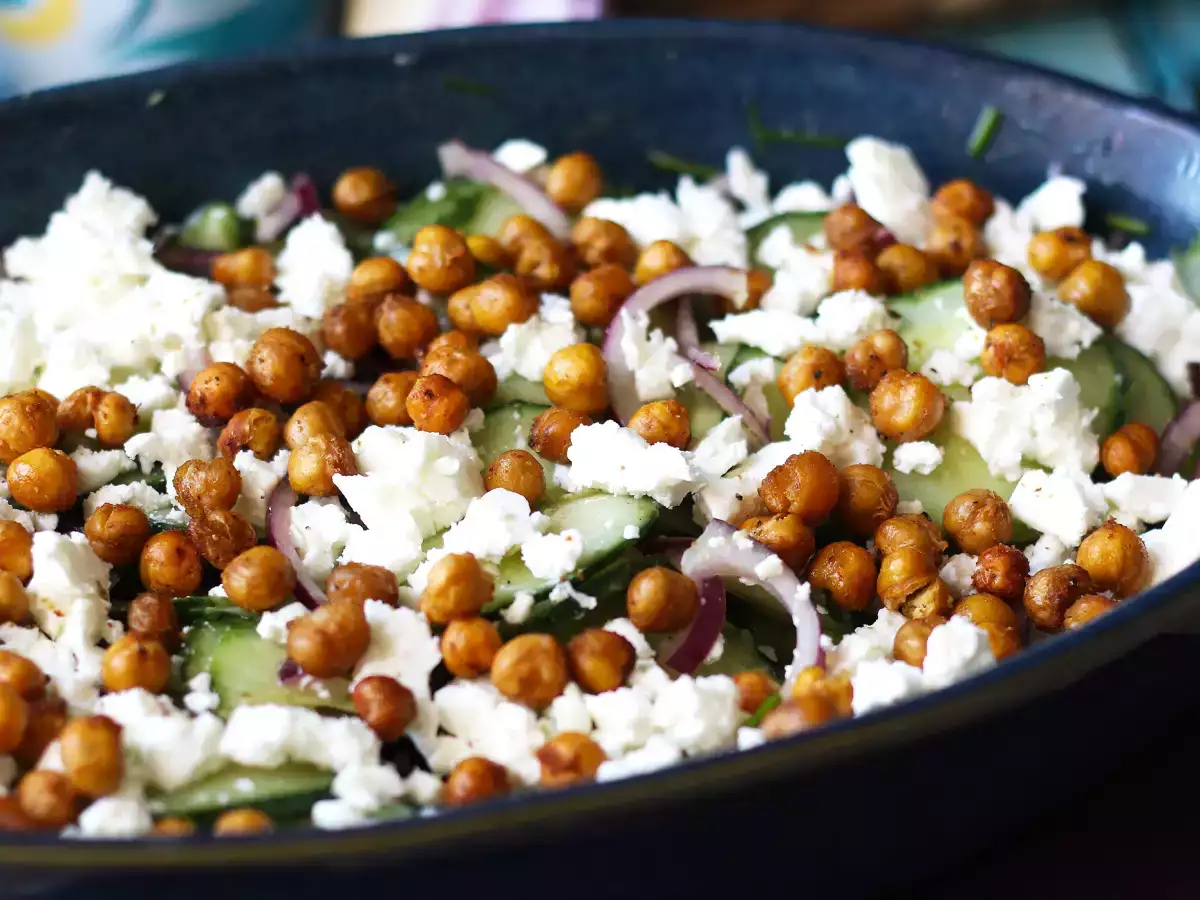
Fancy a hearty salad that's a little different from the classics? This version ticks all the boxes! Between the crunch of the cucumber, the creaminess of the avocado and the crisp, spicy chickpeas, every bite is full of texture and flavor. The...
You don’t have to eat legumes instead of all other carbohydrates. They are simply another practical option for variety.
Rice and potatoes should not be removed from the menu
A large bowl of plain rice is different from a plate where the rice is served with broccoli and a source of protein. Similarly, potatoes can be part of a lunch alongside fish, eggs, cheese, meat, or legumes and a generous serving of vegetables.
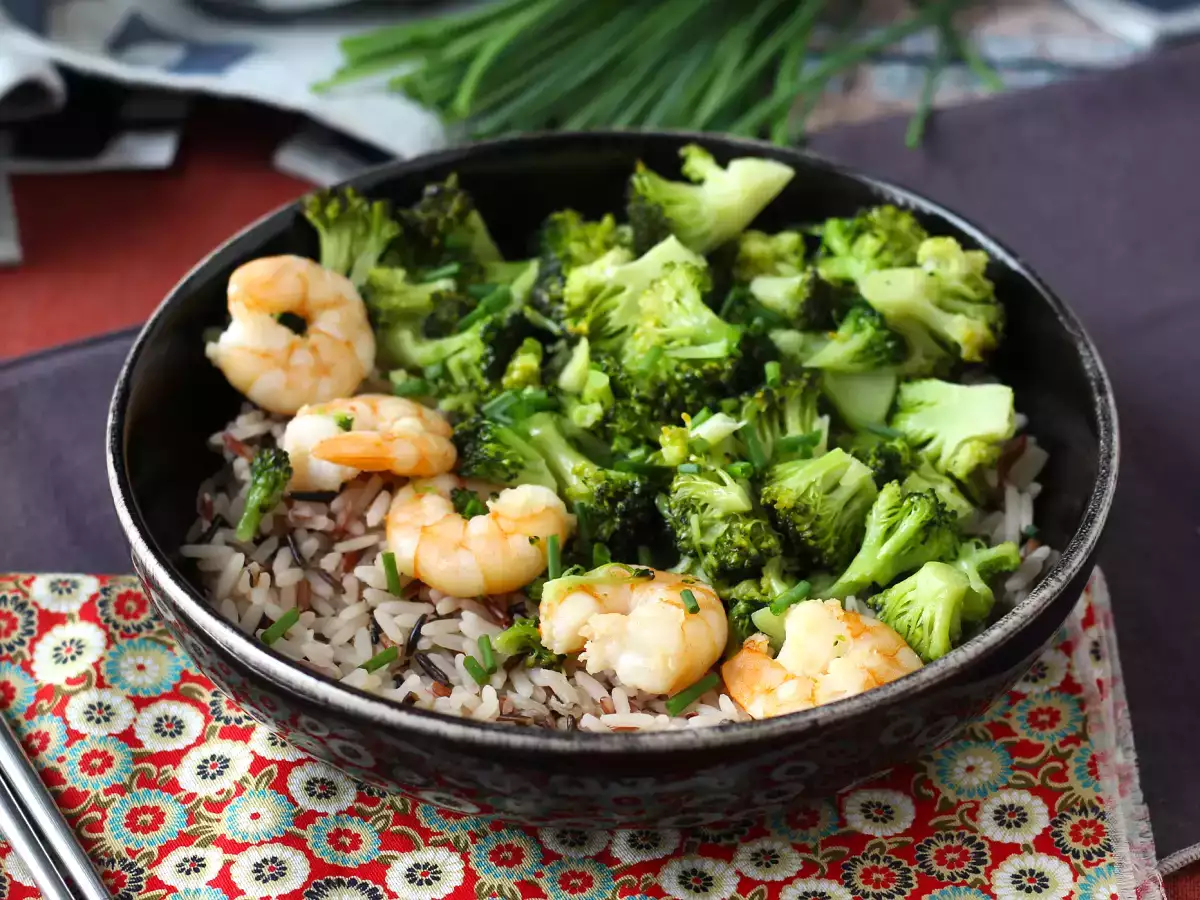
For a healthy, balanced and delicious meal without spending hours in the kitchen, there's nothing like delicious brown rice with shrimp and broccoli ! Today we're presenting a classic version, but you can also add sauces to make this dish even...

Hotter days call for refreshing and nutritious salads like this potato and tuna salad. Easy to prepare, it is ready in just 15 minutes, perfect for making an appetizer before the meal. Check out our recipe below:
There is no single portion size that works for everyone. Portion size depends on hunger, activity level, the rest of the meal, and personal preferences.
4 Practical Meal Ideas for Breakfast and Lunch
Oatmeal + plain yogurt + berries + nuts or seeds. If you want a little chocolate or honey, you can add them for flavor without making them the main part of your breakfast.
Plate 2 – Breakfast with Bread
Bread + two eggs or fresh cheese + tomatoes and cucumbers + a few olives or a little avocado. Carbohydrates are still present, but they’re accompanied by protein, vegetables, and healthy fats.
Plate 3 – Lunch with rice
Rice + chicken, fish, shrimp, or tofu + broccoli, bell peppers, zucchini, or other vegetables + a little olive oil or a simple sauce. Rice is one component of the meal, not the entire meal.
Plate 4 – Lunch with Potatoes or Legumes
Boiled or baked potatoes + tuna, an egg, or chickpeas + a salad of tomatoes, cucumbers, and greens + a simple dressing. Alternatively, you can make lentils, chickpeas, or beans the base of the plate and add vegetables and a source of fat.
How do you actually choose between oats, bread, rice, potatoes, and legumes?
For lunch: rice and potatoes pair easily with protein and vegetables, and legumes can serve as both a source of carbohydrates and part of the meal’s protein content.
For variety: alternate your food sources from one day to the next. You don’t have to choose forever between bread and potatoes or between rice and legumes.
If a particular meal doesn’t fill you up enough, before cutting out the carbs, check to see if you’ve paired them with enough protein, vegetables, and an appropriate amount of fat.
What We Can't Promise About Carbohydrates
When it comes to a nutritious meal, it’s better to stick to concrete factors: satiety, plate composition, variety, and how different foods can be combined.
The bottom line: if you feel low on energy after a meal, there’s no need to declare war on carbohydrates. Start by putting together more balanced meals and seeing which combinations work best for you.

Comments