Cooking with Leftovers- Heart Shaped Pasta and Cannelloni


Every once in a while, I do a pantry and fridge overhaul... you know the kind... where you clear out everything from the back of your fridge. I always find very random ingredients that I buy to try, and never really use. This time around I found a box of cannelloni shells that I was never really inspired to make... but it was about time.
To find out how to make heart shaped pasta(the easy way)... scroll down further
Ingredients:
Cheaters Bolognese Sauce(I took a few short cuts, and deviated from what would be known as a 'traditional' sauce)
- 2 Roma Tomatoes, diced (thats all I had :)
- 1/4 cup oil (vegetable or olive, your choice)
- 1/3 cup of vegetable stock
- 1 tbsp tomato paste (I sometimes substitute ketchup, it adds a little bit of sweetness)
- 1 Large White Onion, diced
- 1 Red Pepper, de-veined and diced
- 500 g lean ground beef
- 2 fresh basil leaves
- 2 tbsp fresh parsley
- 1 tsp oregano
- 3 cloves of garlic, whole
- salt and pepper to taste
- chili flakes to taste (optional)
Cannelloni Shells
- 1 package of quick bake cannelloni shells(also known as manicotti shells)
* My deep dish only fits 12 shells, you may need more or less depending on the size of your dish
Spinach and Cream Cheese Filling
- 1 - 250 g package of cream cheese
- 1 cup mozzarella cheese, shredded (1/2 cup goes into the filling, 1/2 cup used to sprinkle on top before baking)
- 2 tbsp parmesan (if you don't have it, its okay to omit it)
- 1/4 cup fresh spinach, finely chopped
- 1 egg
- 2 tbsp dry Italian bread crumbs
- dash of salt and pepper
Heart Shaped Pasta
- 5-10 Cannelloni Shells
- Heart shaped cookie cutters - or pretty much any shape cookie cutter
Directions:
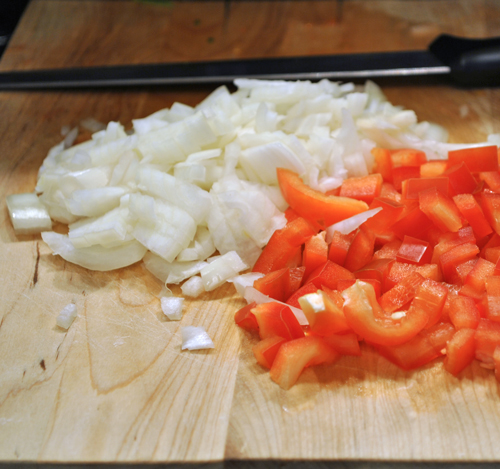
- In a deep skillet or pot, heat oil over medium heat.
- Add onions and peppers, you'll want to cook this for about 2-3 minutes, until the onions turn transparent. Add tomatoes, and cook for an addition 2-3 minutes.
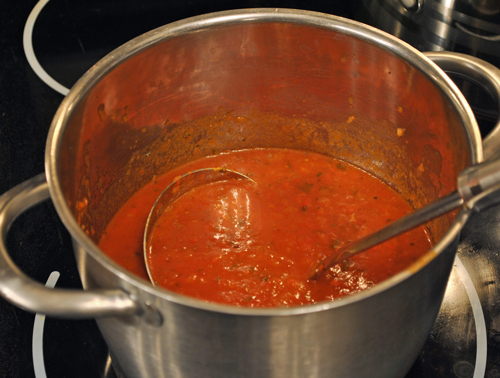
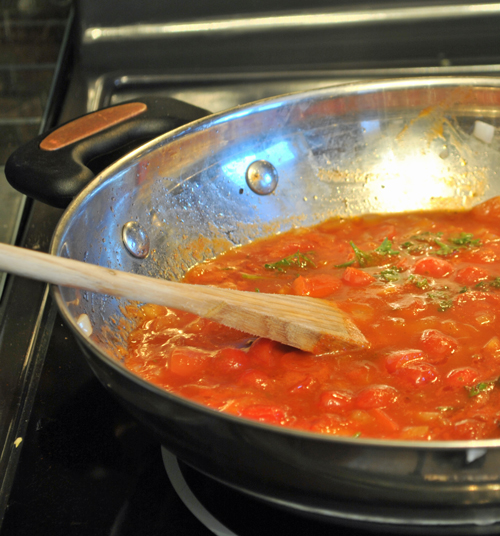 - Add chicken stock, tomato paste, basil, parsley, oregano, garlic, and salt and pepper. Increase your heat to medium high, or until your sauce begins to bubble. Reduce heat to a medium-low and cover. Allow the ingredients to cook at temperature for 20 - 30 minutes, stirring occasionally.
 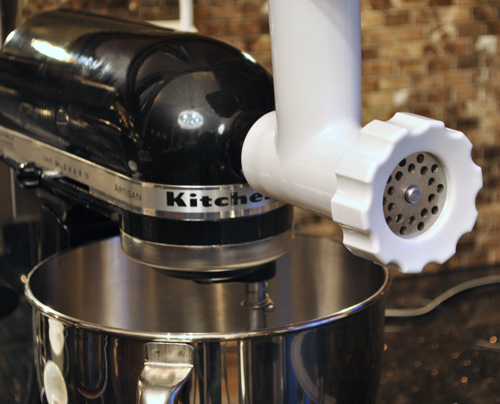 - I used this handy little attachment that came with my blender. You can use any grinder, food processor, or blender. The purpose is to grind the ingredients so they create a smoother, more palatable sauce.
 - Allow your sauce to cool almost completely before using the grinder. From a past kitchen mishap, I learned my lesson that the sauce goes flying out of the machine.... it wasn't pretty.
 - I only ran my sauce through the grinder once, if you prefer a 'smoother' sauce, feel free to run it through again. Return your sauce to a pot, and allow to simmer until ready to use-- this brings out more flavor.
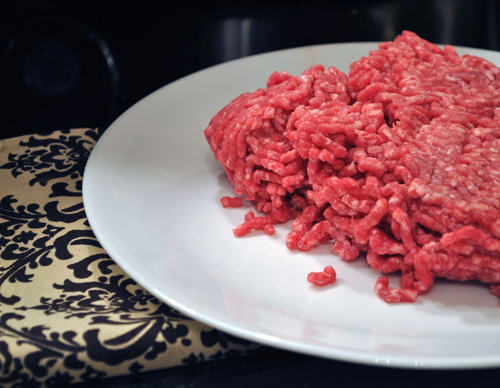 - The ground beef is completely optional. You can even substitute ground pork or turkey, its up to you.
- I only ran my sauce through the grinder once, if you prefer a 'smoother' sauce, feel free to run it through again. Return your sauce to a pot, and allow to simmer until ready to use-- this brings out more flavor. - The ground beef is completely optional. You can even substitute ground pork or turkey, its up to you.- I browned my beef before I added it to the sauce. I added a tsp of oil and used the same deep skillet as I made the sauce. Salt and pepper to taste.

- Once the beef browned, I drained any excess fat, and added it to my tomato sauce base. I returned the sauce to a simmer.
 For the filling:
- Pre-heat your oven to 375'C before you start making the filling for your cannelloni. For the filling:- You can also make the filling the night before, and store it in the fridge to use later on. This saves time and doesn't make the process seem as lengthy
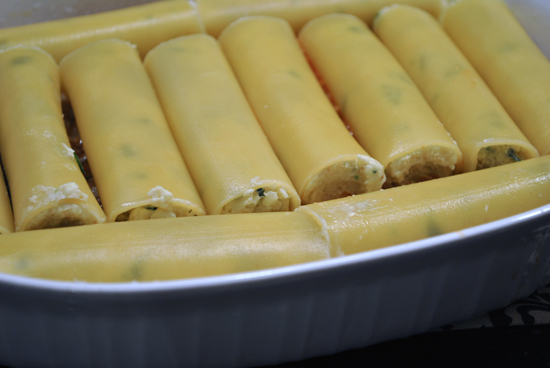 - I sprayed some cooking oil on the bottom of my cooking dish. I then added a thin layer of my home-made pasta sauce. I neatly organized my cannelloni shells to fit the pan, but make sure you don't cram them together.
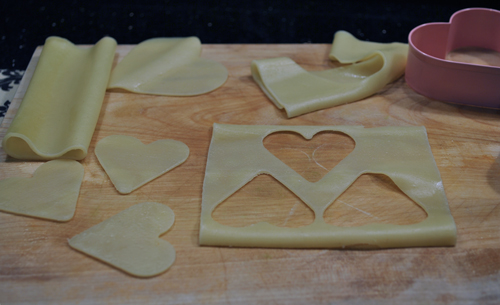
 - Using a pairing knife, cut along the length of the cannelloni shell, so you have one large square.
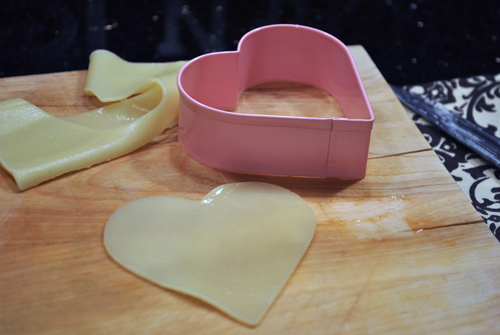 - Using a cookie cutter, cut out your desired shape. THATS all there is to it... it's cheating, but hey, it works for me. (At least until I learn how to make my own pasta from scratch)
 - Serve over sauce.. any way you want to... this is YOUR dish.
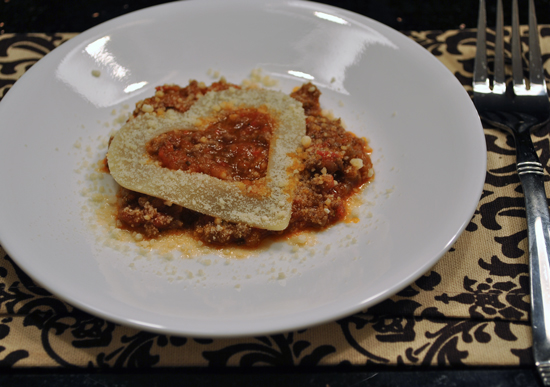 Happy Valentine's Day-- even if your single ;)
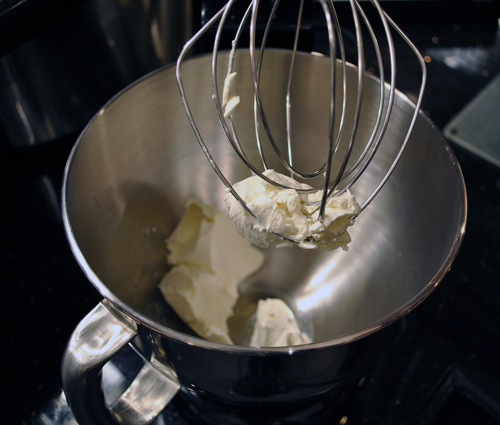
- Whip the cream cheese on a medium-high setting until light and fluffy. Add the remaining ingredients for the filling as listed above, and blend for 2-3 minutes, or until combined. *Note, only use 1/2 cup shredded mozzarella, the rest is to top your dish.
 - I cooked the shells for about 3 minutes in salted-boiling water. I did this to soften the shells in order to reduce the cooking time in the oven. I removed them from the water, allowed them to drain and proceeded to pipe the filling into them.
- I cooked the shells for about 3 minutes in salted-boiling water. I did this to soften the shells in order to reduce the cooking time in the oven. I removed them from the water, allowed them to drain and proceeded to pipe the filling into them.- I used a plastic zip-lock bag, with the end trimmed off to stuff my cannelloni shells-- this works wonders.
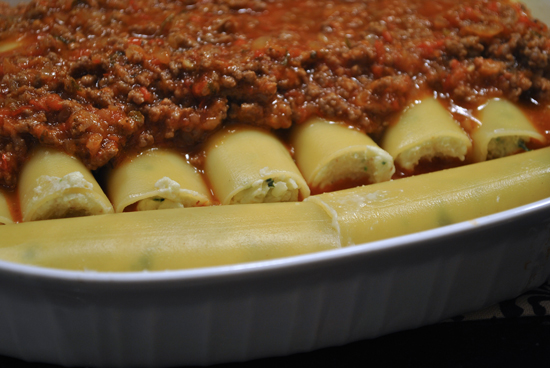
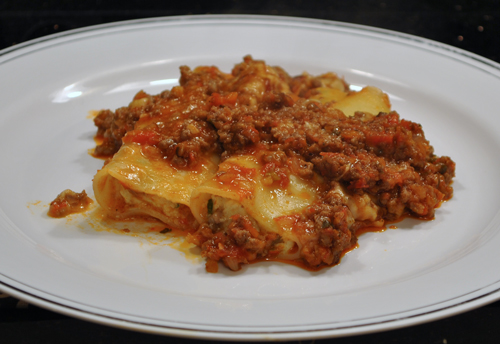
- I sprayed some cooking oil on the bottom of my cooking dish. I then added a thin layer of my home-made pasta sauce. I neatly organized my cannelloni shells to fit the pan, but make sure you don't cram them together. - On top, I added more sauce... than sprinkled it with the left over mozzarella cheese.
- Cover with foil, and bake for 20-25 minutes (if you blanched your shells prior), or according to the heat setting on your cannelloni shell box.
- Remove the foil in the last 5 minutes of cooking, and allow the cheese to turn a golden brown.
- Allow the cannelloni to cool for 5 minutes before serving-- as you might notice, the cheese bubbles at the top... an indicator that its WAY to hot to serve:)
Heart Shaped Pasta: The Cheater's Version
- Bring water and a tbsp of salt to a boil in a large pot. Add cannelloni shells, and allow to boil until they start to flatten out, as below. Remove from heat, and allow to cool slightly before the next step.
- Using a pairing knife, cut along the length of the cannelloni shell, so you have one large square. - Using a cookie cutter, cut out your desired shape. THATS all there is to it... it's cheating, but hey, it works for me. (At least until I learn how to make my own pasta from scratch) - Serve over sauce.. any way you want to... this is YOUR dish. Happy Valentine's Day-- even if your single ;)xoxo

Duhlicious
Comments