Recipe: Hungarian ?Csoroge? doughnut recipe
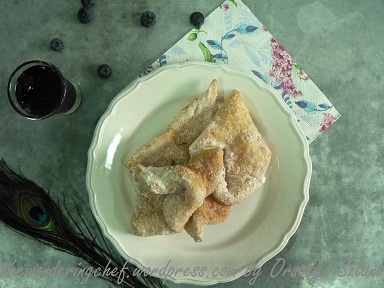
Well, when I started this blog, I wanted to include plenty of Hungarian or Eastern European recipes. Sadly it`s not happening much, first of all, I dont get around to cook them much, and seconds these recipes are so well known for me, I always forget they would be more interesting for people reading this blog from outside Hungary. So now I`m putting my foot down, and yes more Hungarian recipes are coming! Yes `Im not going to be lazy about them! Hungarian cooking is delicious, and very different from what I experienced in my travels. Most of the time, the recipes are very easy, also cheap, and most of the time not vegetarian friendly. We love our lard, or just fat, fat and fat, even with bread if you wish!

And baking, we love baking, frying, not caring too much about our health and cholesterols.
So “Csoroge” “Doughnut”, I guess you are asking yourself WTF?? is “Csoroge”. Well in case you are in Hungary once, you are blinking at the menu and feeling confused, lost, and about to start to panic, just relax. Plenty of time the name of the dish represents where, from which region of Hungary its originated to. So “Csoroge”, is most likely from the historical region of “Csorog” or lets say “Hortobagyi pankaces” or “Bugaci salad” or “Vecsesi pickles”
This dish cheap, fast and easy dish, we call as a doughnut, but it`s more like a crisp to be honest. It`s perfect with all kinds of jam, my favourite at the moment is blueberry , but as soon the summer arrives, I`m getting my hands on some raspberry jam..yumm yummy!
Ingredients

 Roll the dough out, for a clean, bit floury surface, a bit thin, not thicker then your finger.
Krispy Kreme Doughnuts Bread Pudding Recipe with Brandy Butter Hard Sauce [#KrispyCreme, #breadpudding, #recipes, #RemyVSOP, #hungryhipsters] (sophisticatedhipstersdigest.wordpress.com)
Apple Cider Doughnuts (everyprettydetail.wordpress.com)
Easy Homemade Doughnuts | Serious Eats : Recipes (seriouseats.com)
Hungarian Strudels – Rétes Tészta (hothungariancooking.wordpress.com)
Mashed Potato Doughnuts (notecook.com)
Looking for a Great Baked Doughnut Recipe Good Questions (thekitchn.com)
Sweet Potato Doughnuts (thebittenword.com)
Hungarian Retes – Strudels or Rétes Tészta (hothungariancooking.wordpress.com)
Food Pics: Doughnuts (friendseat.com)
A Reader Recipe: Baked Apple Doughnuts (fitsugar.com)
Hungarian Sweet and Sour Red Cabbage (Magyar Vörös Káposzta) (hothungariancooking.wordpress.com)
Diner’s Journal: The Temporary Vegetarian: Hungarian Potato and Egg Casserole (dinersjournal.blogs.nytimes.com)


Comments
Mike
Reminds me of my Nana kitchen. So tasty with the cinnamon and sugar