The microwave you're using could be ruining meals, here's the common mistake that makes food spoil
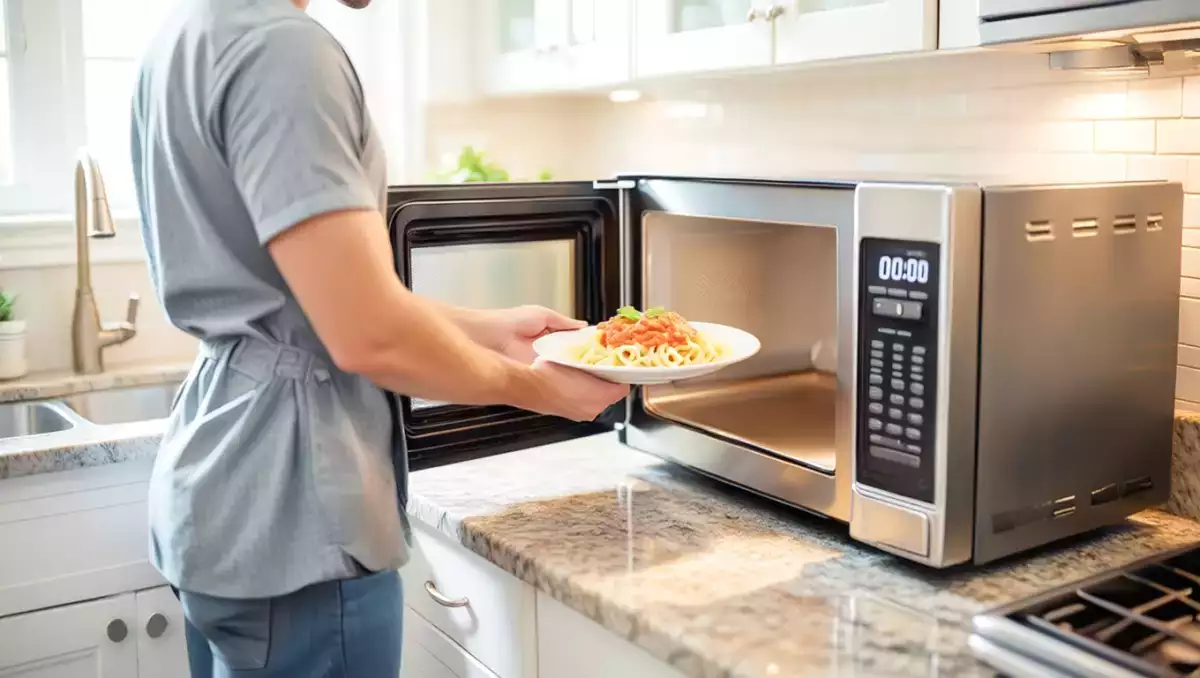
The microwave has become one of the most used appliances in the kitchen, precisely because it’s quick and convenient. But that convenience hides a problem almost nobody notices: most people use the microwave the wrong way every single day.
You know when food comes out dry, rubbery, or hot on the outside while the center is still cold? That’s usually not the appliance’s fault. It’s the result of small habits that seem harmless but completely change the final result.
The good news is that a few simple adjustments can make a huge difference. And once you understand them, you’ll probably never use your microwave the same way again.
The biggest microwave mistake
The most common mistake is simply putting food in and pressing “start.”
No power adjustment. No cover. No stirring halfway through. That’s exactly why food heats unevenly, with some parts becoming too hot while others stay cold.
A microwave doesn’t naturally heat everything perfectly evenly. You have to help the process along.
Why food heats unevenly
Microwaves work by heating the water molecules inside food.
The problem is that not every part of a dish contains the same amount of moisture, fat, or density.
- Thicker areas heat differently.
- Dryer parts heat differently.
- Dense foods heat differently from softer ones.
That’s why a plate can come out steaming around the edges while the middle is still barely warm.
And that’s also why some foods become strange after reheating: dry rice, rubbery meat, tough bread, soggy pizza.
The right way to use the microwave
A few small changes can completely improve the result.
- First, lower the power.
Instead of always using the maximum setting, try medium power. It heats food more gradually and evenly, giving the inside time to warm up before the outside dries out.
- Second, cover the food.
Use a microwave-safe lid, a plate, or a paper towel depending on what you’re heating. Covering helps trap steam, keeping food moist and preventing it from drying out.
- Third, pause halfway through.
Stir, turn, or rearrange the food. This redistributes heat and helps avoid those annoying cold spots.
It takes a few extra seconds, but the difference is obvious.
The trick almost nobody uses
Here’s a small detail that changes more than you’d think:
Don’t place the food directly in the center of the turntable.
Instead, position it slightly off-center.
Why? Because the turntable moves the food through different parts of the microwave’s energy field. Placing the dish a little to the side helps it heat more evenly as it rotates.
It’s a tiny adjustment, but the result can be surprisingly noticeable.
Foods that suffer most in the microwave
Some foods need extra care because they change texture very quickly.
- Rice can become dry or hard.
- Pizza loses its crispy base.
- Meat turns rubbery.
- Bread hardens in seconds.
- Pasta can become sticky or unevenly heated.
Each one needs small adaptations, but the logic is always the same: control moisture, reduce power, and avoid overheating.
- For rice, add a splash of water and cover.
- For pizza, use a skillet or oven if you want crispiness.
- For meat, reheat gently with a little sauce, broth, or fat.
- For bread, use very short heating times and wrap it lightly in a damp paper towel.
Can you improve almost any microwave result?
In most cases, yes. With lower power, short pauses, a bit of moisture, and better placement on the turntable, the microwave stops being just an emergency tool and becomes much more reliable.
The problem was never really the microwave. It was the automatic way we use it.
A small change that makes everyday food better
You don’t need to stop using the microwave. You just need to stop using it on autopilot. A few small habits can prevent dry, rubbery, unevenly heated food and make leftovers, quick meals, and reheated dishes taste much better.
And once you start using it properly, it becomes hard to accept the results you used to settle for.
 Mirella Mendonça
Comments