One simple trick to make last night's leftovers taste freshly made again, no special skills needed
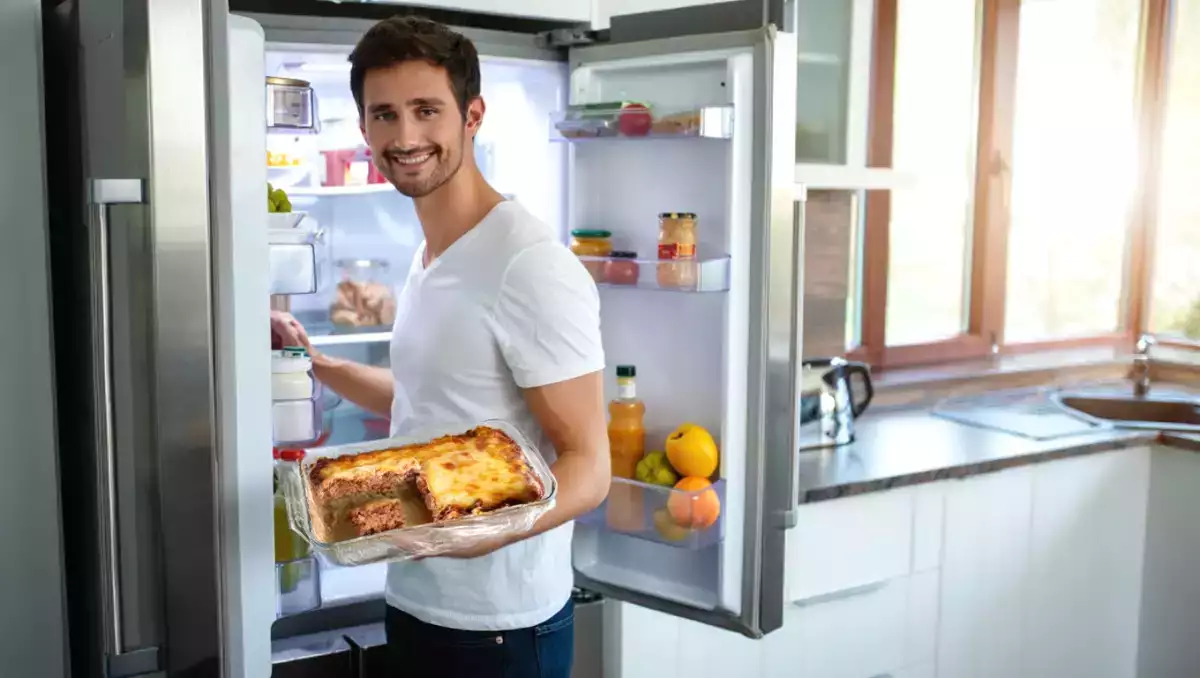
Opening the fridge and staring at yesterday’s leftovers isn’t always exciting. More often than not, a meal that tasted great the night before seems to lose its flavor, texture, and even its appeal after a few hours in the refrigerator.
But here’s the thing: the problem usually isn’t the food itself. It’s how you reheat it.
There’s a simple trick that can completely transform leftovers and make them taste surprisingly close to freshly cooked. And the funny part? Most people don’t use it correctly.
Why leftovers seem worse the next day
Once food cools down and goes into the fridge, several natural changes happen. Moisture redistributes throughout the dish. Starches begin to firm up. Proteins tighten and change structure.
That’s why:
- rice often becomes dry
- meat can turn tough
- pasta loses some of its original texture
And when leftovers are reheated incorrectly, these issues usually become even more noticeable.
The most common reheating mistake
The biggest mistake is blasting food with high heat, especially in the microwave. While it may seem faster, intense heat warms the outside too quickly and doesn’t give the inside enough time to reabsorb moisture.
The result?
- dry rice
- rubbery meat
- overcooked pasta
- food that tastes less flavorful than it should
The simple secret that changes everything
The real secret is surprisingly simple:
Add a little moisture before reheating.
A few drops of water, a drizzle of olive oil, a spoonful of sauce, or even covering the dish can make a huge difference. As the food heats up, that extra moisture creates steam. And steam helps restore softness, texture, and flavor that would otherwise be lost during reheating.
How to do it properly
- For rice: add a tablespoon or two of water, gently fluff the rice, and cover it before heating.
- For meat: a small drizzle of olive oil or a little melted butter can work wonders.
- For pasta: add a splash of water, broth, or extra sauce before reheating.
The detail almost nobody notices
Another important trick is using medium power rather than maximum power in the microwave. Many people assume that higher heat means better results. In reality, slower and gentler heating usually produces much better texture.
If possible:
- use medium power
- heat in short intervals
- stir or flip the food halfway through
This allows the heat to distribute more evenly and prevents certain areas from overcooking.
More time isn’t always better
One mistake people often make is leaving leftovers in the microwave for too long. It seems logical: if it’s not hot enough, just keep heating it. But excessive reheating often makes food drier and tougher. The goal isn’t to cook it again. The goal is simply to warm it through.
Heating gradually gives you much more control over the final texture.
Can every leftover be saved?
In most cases, yes. Will every dish taste exactly like it was freshly cooked? Probably not.
But the difference between reheating correctly and reheating carelessly can be dramatic.
A simple adjustment in technique can turn a disappointing plate of leftovers into a meal that’s genuinely enjoyable.
Yesterday’s food doesn’t have to feel like leftovers
Leftovers often get a bad reputation, but they’re usually just victims of poor reheating methods. A little extra moisture, gentler heat, and a bit more patience can bring back much of the flavor and texture you enjoyed the first time around.
Once you start reheating food this way, it becomes surprisingly hard to go back to the old method. Because yesterday’s dinner can still taste pretty great today, you just need to give it a little help.
 Mirella Mendonça
Comments