Don’t let bargain tomatoes go soft: 7 easy storage tricks to preserve freshness after buying
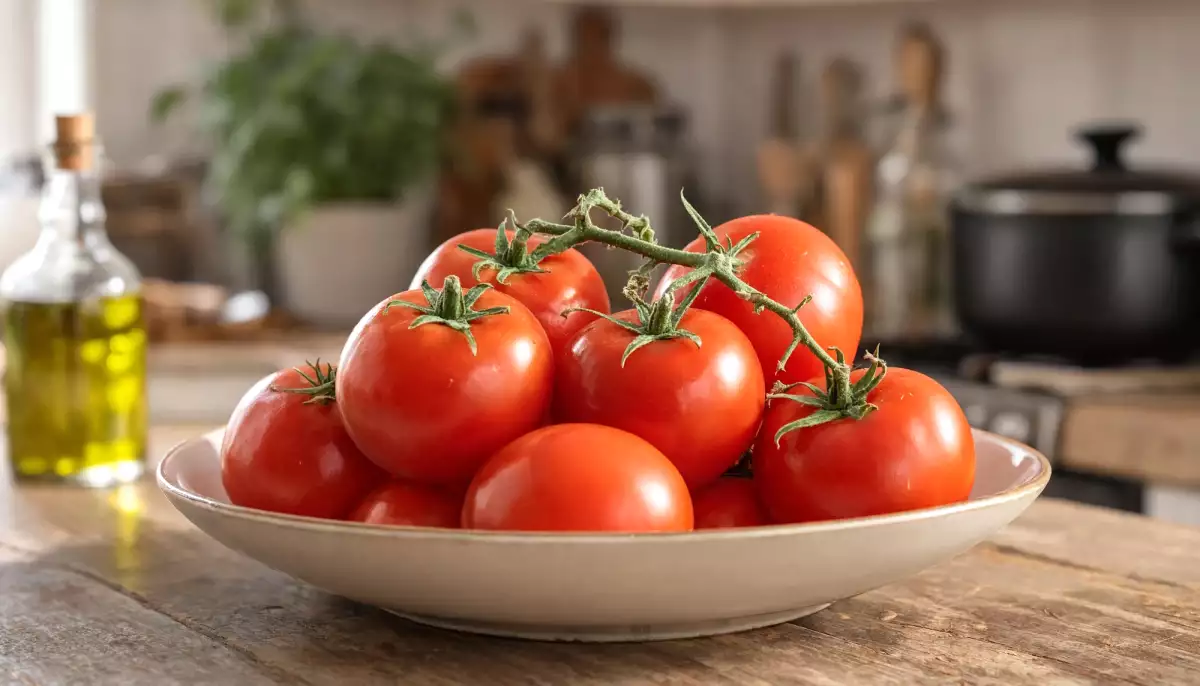
When you find them at a good price, it’s tempting to buy more. The problem arises after a few days, when the skin starts to wrinkle, the flesh softens, and some tomatoes risk ending up in the trash.
Not all tomatoes should be stored the same way. Firm tomatoes, perfectly ripe ones, and those that are already very soft have different needs. The first step is to sort them, then choose one of the seven methods below based on how soon you plan to use them.
First of all: Sort the tomatoes and don't wash them all
Firm tomatoes can be stored at room temperature for a few days, while soft tomatoes should be eaten or processed quickly. Discard any tomatoes with mold, a fermented odor, or leaking liquid to prevent spoilage from spreading to the others.
Do not wash the entire batch before storing. Moisture left on the skin can accelerate spoilage. Wash the tomatoes only just before eating or cooking them, then dry them thoroughly.
1. Store firm tomatoes at room temperature
Check them daily and remove any tomatoes that have become soft as soon as possible. A deep bowl, where the tomatoes press against one another, can cause bruising and soft spots. For the best flavor and texture, this method is only suitable while the tomatoes are still firm.
2. Put the ripe tomatoes in the refrigerator
The refrigerator is a lifesaver for ripe tomatoes, not a method for ripening them. For a better flavor, take out the amount you need before a meal and let it sit for a while to bring it back to room temperature.
3. Freeze them for cooked dishes
After thawing, the flesh becomes softer, so they won’t be suitable for salads anymore. However, they’re excellent for sauces, soups, stews, and baked dishes. Write the date on the container and freeze small portions that are easy to use in a single serving.
4. Turn very ripe tomatoes into a sauce
Sauce is one of the simplest ways to reduce food waste, as it can be served with pasta, rice, pizza, eggs, or stews. Once cooled, store it in the refrigerator for immediate use or freeze it in portions.
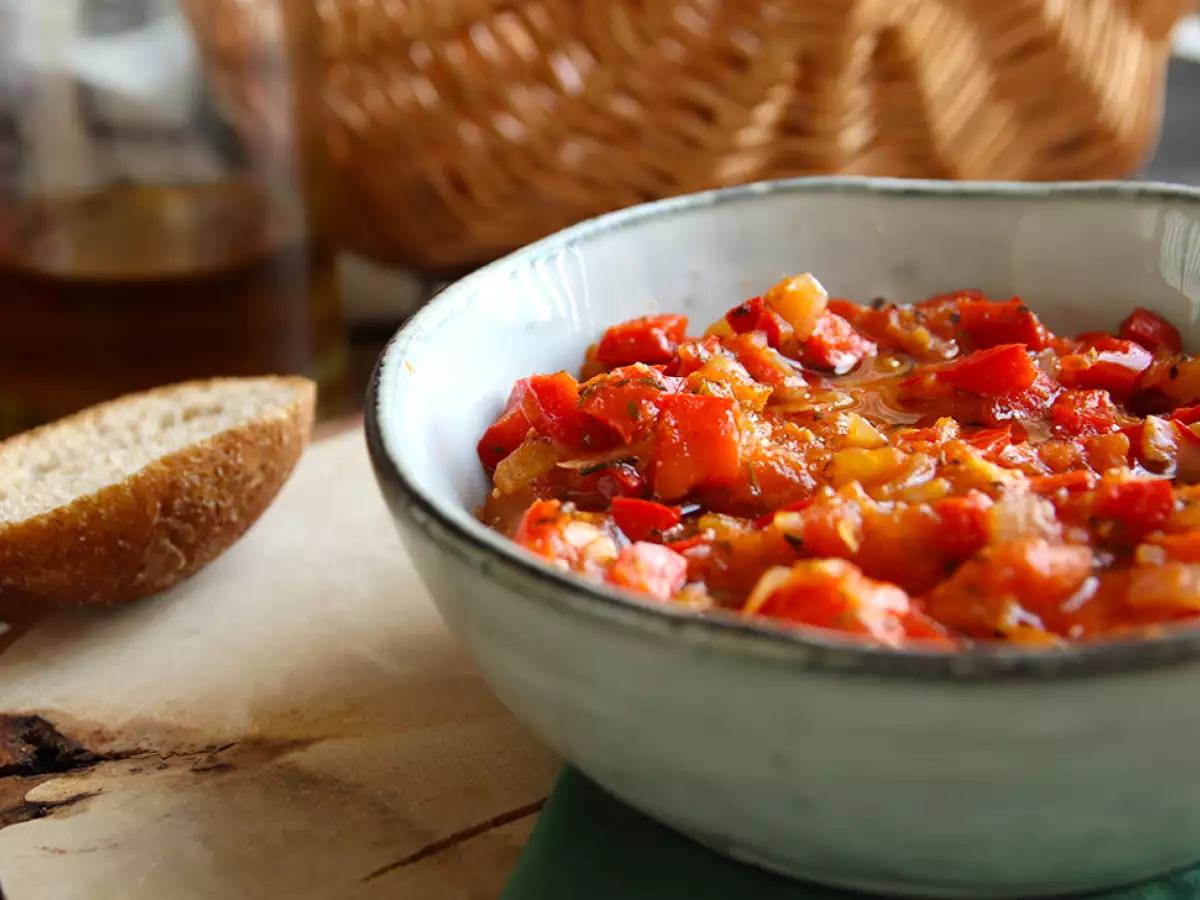
Chop up the tomatoes you have on hand today for tomatada!! An easy, versatile recipe, usually served as a side dish, but it can also become a main course simply by adding an egg. With tips like these, everything is more delicious when cooking. Check...
5. Make some soup and freeze it in portions
Let the soup cool before portioning it, then use freezer-safe containers and leave a little space for expansion. This way, you can preserve the taste of summer for days when fresh tomatoes aren’t quite as flavorful.
6. Simmer the tomatoes for a more concentrated flavor
Confit tomatoes are great for pasta, canapés, salads, and side dishes. After preparing them, let them cool and store them in the refrigerator in a clean container. Don’t treat them as a long-term pantry staple, especially if you’ve added fresh garlic; consume them within a short period or freeze them in portions.
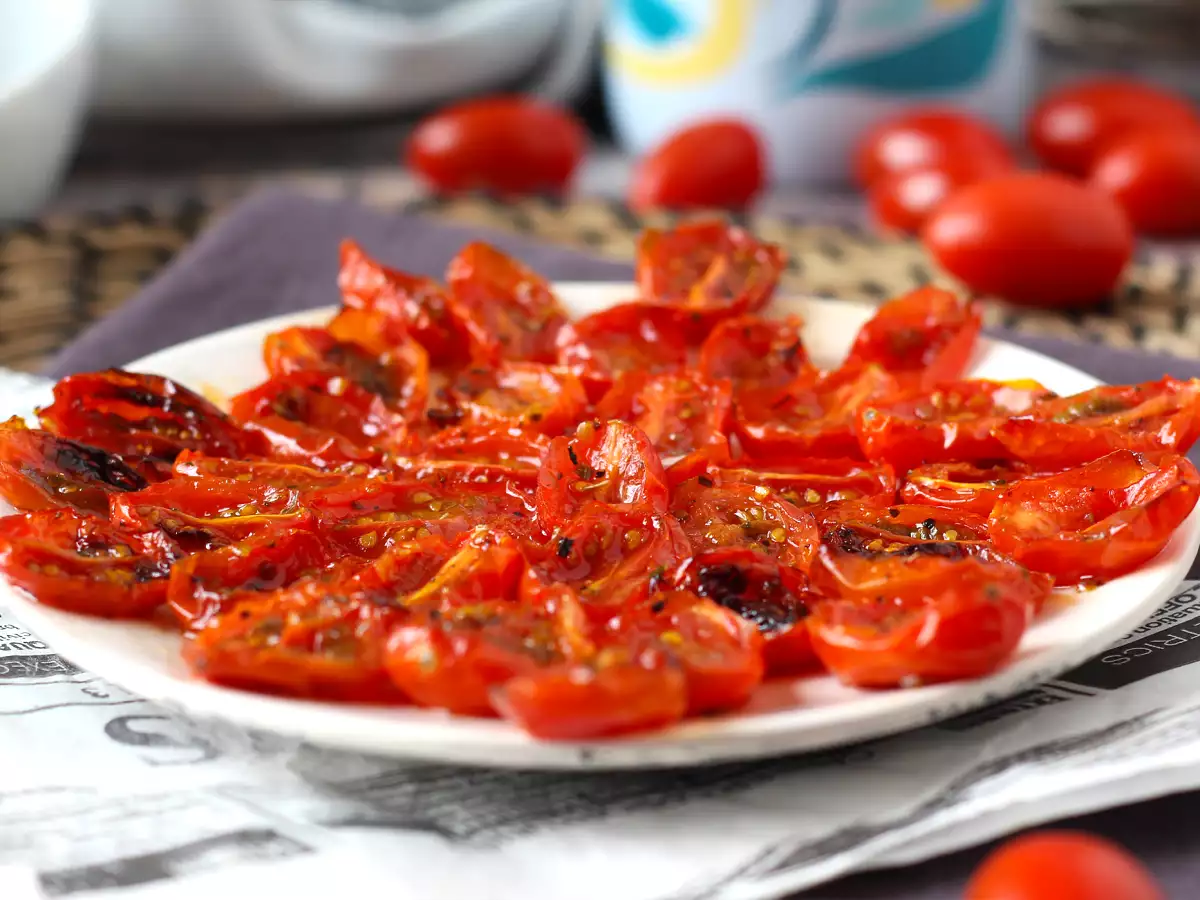
Air fryer confit cherry tomatoes are easy to make and perfect for serving alongside main courses, or for adding to salads or savoury tarts . Their glossy, caramelized appearance makes them incredibly appetizing—you'll be eager to try them! You may...
7. Dry them slowly or turn them into a flavorful paste
The more moisture remains, the more carefully the product must be stored in a cool place. Dried or semi-dried tomatoes can later be chopped up with aromatic herbs and used in a spread for canapés, sandwiches, or appetizers.
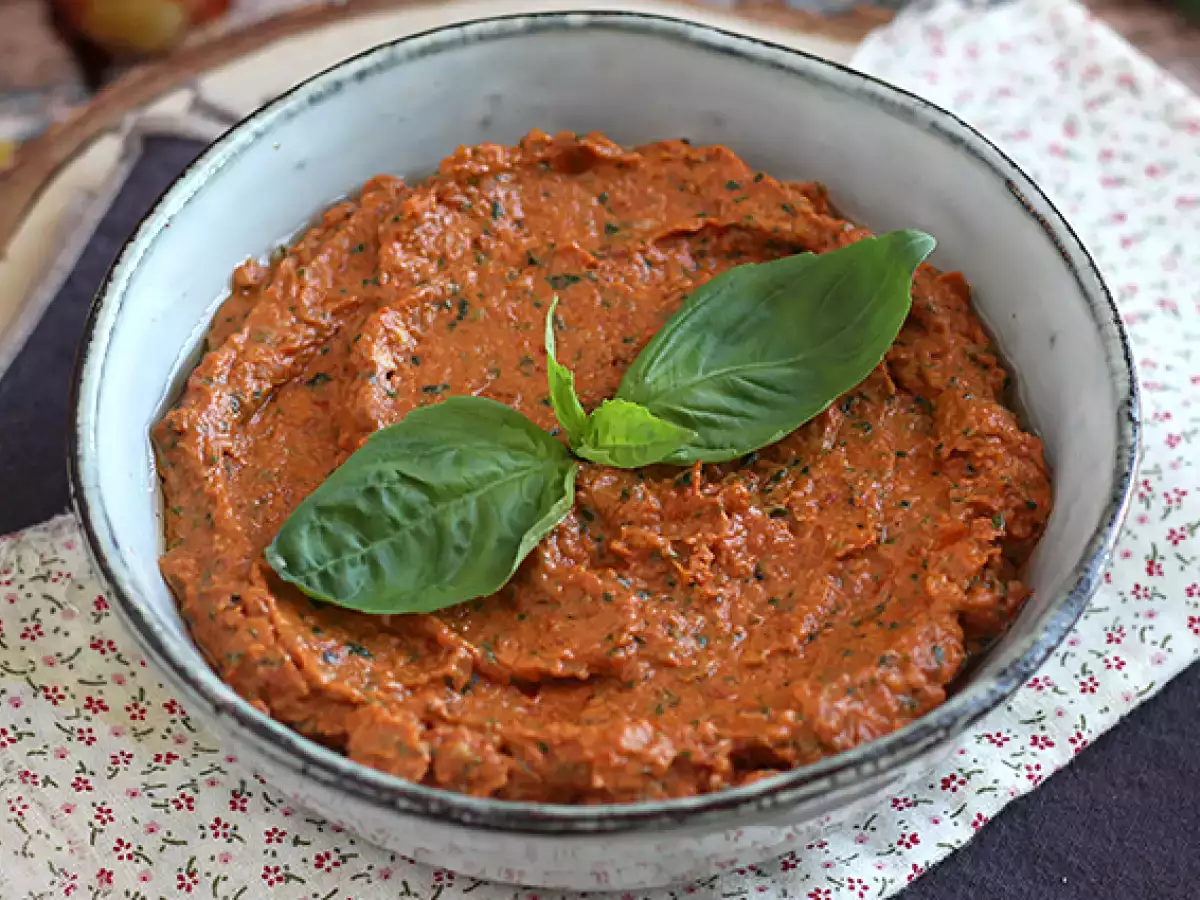
Serve this sun-dried tomato, garlic, and basil spread alongside your hummus, guacamole, and tapenade. Packed with flavor, this sauce is ideal for serving with chips and vegetable sticks. It requires no cooking and just 4 ingredients, so you'll see how...
Which tomatoes can still be saved, and which ones should be thrown away?
Throw away tomatoes with visible mold, an unpleasant odor, obvious fermentation, sticky spots, or suspicious liquid. Do not taste food to check if it is safe.
The best strategy is to take action before the tomatoes reach this point: sort them frequently and use the ripest ones first.
Frequently Asked Questions
Yes. After thawing, the skin usually peels off more easily, and the tomatoes are suitable for cooked dishes.
Are soft tomatoes still good for sauce?
Yes, as long as they don’t have mold, a fermented smell, or other clear signs of spoilage. Remove any bruised areas and cook them right away.
Is it better to store all tomatoes in the refrigerator?
No. Unripe tomatoes ripen better at room temperature. The refrigerator is best for tomatoes that are already ripe and that you want to keep a little longer.
Which method best preserves the texture for a salad?
Proper storage of firm tomatoes, followed by brief refrigeration after ripening. Freezing and cooking change the texture, but they’re great for sauces and soups.
In a nutshell
Keep firm tomatoes at room temperature, move ripe tomatoes to the refrigerator, and quickly use up the very soft ones. Freezing, making sauce, soup, preserving, and drying help you reduce waste and make the most of tomatoes when they’re tasty and affordable.
 Vincent Sabourdy
I make the best crêpes on the street.
I love accessible recipes, practical advice, and culinary news.
My goal: to offer the best possible culinary website to make cooking a pleasant and shared experience.
Comments