Don’t let fresh figs go moldy in 24 hours: the storage mistake and how to keep them fresh longer
Tuesday 1 September 2026 10:00 - Adèle Peyches
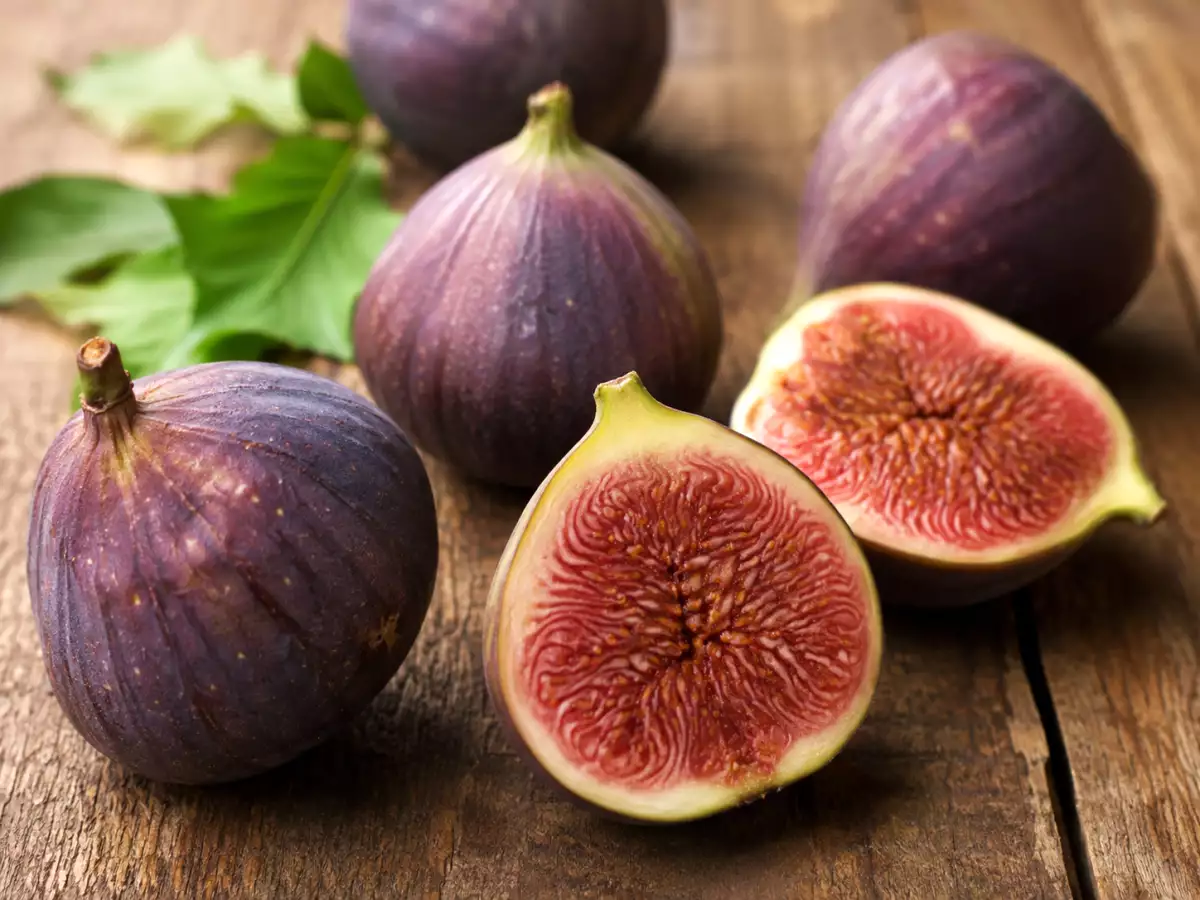
Except there’s one little problem: figs are as delicate as they are delicious. You come home from the market with a gorgeous basketful, tell yourself, “I’ll save these for Saturday,” and the next day, a nasty surprise: they’re mushy, damp, and sometimes already showing signs of mold. Frustrating, isn’t it?
The most common mistake? Washing them too early, then storing them while still damp in a closed container, a plastic tray, or a bag. With figs, moisture is the number one enemy. To keep them until the weekend, you need to do the opposite of what you sometimes do with other fruits: don’t wash them before storing them.
The mistake that causes them to go bad too quickly
We often instinctively wash fruit as soon as we get home from the store. For apples or grapes, that’s understandable. For fresh figs, however, it’s much riskier. Once washed, even if they seem dry, they often retain a bit of moisture on the surface. And since their skin is delicate, this moisture can speed up softening and promote mold growth.
The problem is even worse if you then place them in a closed container. The residual water turns into condensation; the fruits rub against each other, get slightly squashed, and the ripest ones quickly spoil the others. The result: within 24 hours, a container that seemed perfect can become much less appetizing.
The golden rule is therefore very simple: wash figs only at the very last moment. Just before eating or cooking them, rinse them quickly under a trickle of cool water, without soaking them. Then gently pat them dry with paper towels or a clean dish towel.
The problem is even worse if you then place them in a closed container. The residual water turns into condensation; the fruits rub against each other, get slightly squashed, and the ripest ones quickly spoil the others. The result: within 24 hours, a container that seemed perfect can become much less appetizing.
The golden rule is therefore very simple: wash figs only at the very last moment. Just before eating or cooking them, rinse them quickly under a trickle of cool water, without soaking them. Then gently pat them dry with paper towels or a clean dish towel.
Why are figs so fragile?
It’s no coincidence that figs don’t keep as long as apples, pears, or even plums. They have very thin skin, flesh that’s high in water and sugar, and they bruise easily at the slightest bump. A fully ripe fig (slightly soft and fragrant) is delicious… but it’s not meant to sit in the kitchen for a week.
Three things cause them to spoil particularly quickly: moisture, heat, and being packed too tightly. Moisture causes them to soften, heat accelerates their ripening, and crowding creates pressure points. A crushed fig releases a little juice, which moistens the figs next to it, and the entire batch can spoil more quickly.
Three things cause them to spoil particularly quickly: moisture, heat, and being packed too tightly. Moisture causes them to soften, heat accelerates their ripening, and crowding creates pressure points. A crushed fig releases a little juice, which moistens the figs next to it, and the entire batch can spoil more quickly.
The right way to keep them fresh longer
Start by sorting the figs. Set aside any that are split, very soft, squashed, or already spotted. These should be eaten quickly: in yogurt, on toast, as a quick compote, or roasted in the oven with a drizzle of honey. They can still be very good, but they aren’t meant to be stored for long.
For the undamaged figs, take a plate, a wide dish, or a shallow container. Line the bottom with paper towels, then arrange the fruit in a single layer, without crowding them. Cover lightly with a sheet of paper towel, a loosely placed lid, or perforated plastic wrap. The idea isn’t to seal them airtight, but to protect them while allowing moisture to escape.
Then place the whole thing in the refrigerator. The cool temperature will slow down the ripening process, while the paper towel will limit excess moisture. With this method, figs bought midweek are much more likely to stay fresh and look good until the weekend.
For the undamaged figs, take a plate, a wide dish, or a shallow container. Line the bottom with paper towels, then arrange the fruit in a single layer, without crowding them. Cover lightly with a sheet of paper towel, a loosely placed lid, or perforated plastic wrap. The idea isn’t to seal them airtight, but to protect them while allowing moisture to escape.
Then place the whole thing in the refrigerator. The cool temperature will slow down the ripening process, while the paper towel will limit excess moisture. With this method, figs bought midweek are much more likely to stay fresh and look good until the weekend.
Should we leave them at room temperature?
Yes, but only if you plan to eat them that same day. At room temperature, figs bring out their aromas best. They’re more fragrant, less cold, and melt-in-your-mouth. When serving them at the table, it’s even a good idea to take them out of the refrigerator a little before the meal.
On the other hand, if you want to keep them until the weekend, the countertop isn’t the best place. Especially if it’s hot, if the kitchen gets a lot of sun, or if the figs are already very ripe. The best compromise: store them in the fridge, then take them out briefly before eating. Keep them in the fridge without washing them, then take them out a little while before serving.
On the other hand, if you want to keep them until the weekend, the countertop isn’t the best place. Especially if it’s hot, if the kitchen gets a lot of sun, or if the figs are already very ripe. The best compromise: store them in the fridge, then take them out briefly before eating. Keep them in the fridge without washing them, then take them out a little while before serving.
What should you do if they're already too ripe?
If some figs start to get very soft, don’t leave them in the container with the others. Set them aside and use them quickly. As long as they don’t have mold, an unpleasant odor, or a truly suspicious texture, they can still be cooked.
Very ripe figs are perfect when served warm: a few minutes in the oven with honey, walnuts, and rosemary; as a compote to serve with yogurt; on puff pastry with a little goat cheese; or in a moist cake. Their delicate texture then becomes an advantage: they melt, caramelize, and infuse the entire dessert with flavor.
On the other hand, if you see mold, if the smell is sour or fermented, or if the flesh is slimy, don’t take any chances— throw them away.
Very ripe figs are perfect when served warm: a few minutes in the oven with honey, walnuts, and rosemary; as a compote to serve with yogurt; on puff pastry with a little goat cheese; or in a moist cake. Their delicate texture then becomes an advantage: they melt, caramelize, and infuse the entire dessert with flavor.
On the other hand, if you see mold, if the smell is sour or fermented, or if the flesh is slimy, don’t take any chances— throw them away.
The key takeaway!
To prevent fresh figs from getting moldy within 24 hours, remember this above all: don't wash them before storing them. Store them in a dry place on paper towels, in a single layer, in the refrigerator, and not in an airtight container.
On the day you want to eat them, take them out a little while beforehand so they can regain their aroma, rinse them quickly, pat them dry gently, and then enjoy. With these simple steps, your figs will be much more likely to make it to the weekend in one piece… and end up where they’re supposed to: in a delicious recipe, not at the bottom of the trash can.
On the day you want to eat them, take them out a little while beforehand so they can regain their aroma, rinse them quickly, pat them dry gently, and then enjoy. With these simple steps, your figs will be much more likely to make it to the weekend in one piece… and end up where they’re supposed to: in a delicious recipe, not at the bottom of the trash can.
 Adèle Peyches
Editorial manager who just can't wait for winter to enjoy fondue! Passionate about gastronomy and always on the lookout for new culinary gems, I first studied law before returning to my first love: the taste of good products and the joy of sharing around the table :)
Comments