How to choose sweet table grapes and a simple storage trick to keep them fresh longer at home
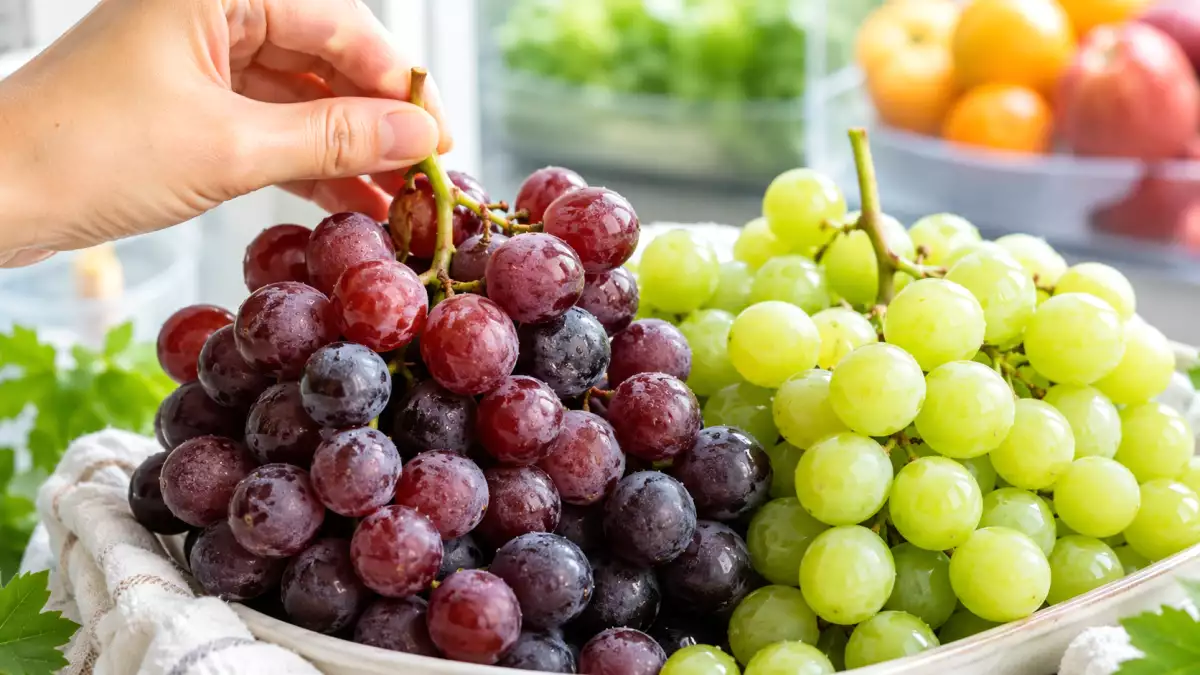
Table Grapes: How to choose sweet, firm, and fragrant bunches; store them in the fridge without spoiling them; and know when to wash them. Practical tips for avoiding mushy grapes, mold, and waste, along with answers to the most common questions about season, color, skin, and storage.
Why table grapes deserve some attention
The point isn’t to overcomplicate things, but to learn a couple of useful indicators: color, texture, stem, and storage method. Because you can spot good grapes right at the supermarket or the produce stand, and they’ll last longer in the kitchen if you handle them with a little care.
How to choose table grapes: look at the cluster first
The skin should look taut, not wrinkled. A light, pale film on the berries isn’t dirt—it’s called “bloom,” a natural protective coating on the fruit. So don’t panic if the grapes look slightly “hazy”; it’s often a good sign of freshness.
White, red, or black grapes: color helps, but it's not enough
Be careful, though: each variety has its own character. Some are naturally sweeter, while others are more aromatic or crisp. For this reason, whenever possible, it’s best to choose bunches that are intact, fragrant, and not too damp inside the package.
Signs to watch out for when buying grapes
Here’s what to check before putting grapes in your shopping cart:
- Soft or split grapes: they can quickly spoil the ones nearby as well.
- Moisture in the container: It promotes mold and loss of texture.
- Very dry stems: often indicate a less-than-fresh bunch.
- A fermented smell: a sign that the grapes are no longer in good condition.
- Widespread spots or mold: best to skip them, even if the price is tempting.
How to store table grapes in the refrigerator
Avoid crushing the bunches under other foods: grapes may seem sturdy, but the berries bruise easily. If you notice a damaged berry, remove it immediately. It’s a small step, but it helps protect the rest of the bunch.
When should you wash grapes: before or after putting them in the fridge?
To wash them properly, run them under cool running water and gently move the grapes around with your fingers. Then dry them carefully, especially if you’ll be using them in a fruit salad, a green salad, or on a cheese platter. The goal is to clean them without stressing them out: no long soaks, no vigorous scrubbing.
How long do grapes last in the fridge?
Can you freeze grapes?
This way, they become fresh little snacks, perfect for cooling drinks without watering them down. In this case, however, it’s best to choose healthy, sweet, seedless grapes if you want to eat them straight from the freezer.
How to serve it without getting bored
For a quick snack, pair them with nuts or a small piece of cheese. For an appetizer, alternate between grapes, cheese cubes, and toasted bread. Just a few simple steps, and your dish instantly looks more polished.
Useful questions to ask yourself before buying it
Which is better: grapes with seeds or seedless grapes?
It depends on how you use them: seedless grapes are convenient for snacks and children, while seeded grapes can have a more traditional and intense flavor, depending on the variety.
When is table grape season?
In Italy, the season most commonly associated with table grapes runs from summer to fall, with different varieties appearing on store shelves at various times.
Few checks, lots of satisfaction
With a little care when you buy them and a few simple tips for storing them in the fridge, grapes can stay fresh longer and make it to the table still crisp and juicy. It’s worth checking them every now and then, discarding any grapes that start to spoil right away, and washing only the amount you need.
This way, the bunch lasts longer, waste is reduced, and the grapes stay ready for a snack, a post-meal treat, or a last-minute savory pairing.
 Leandra Masha
Comments