Meatballs turn out hard and dry? This common mixing mistake could be the reason
Tuesday 17 November 2026 10:00 - Juliette Hess
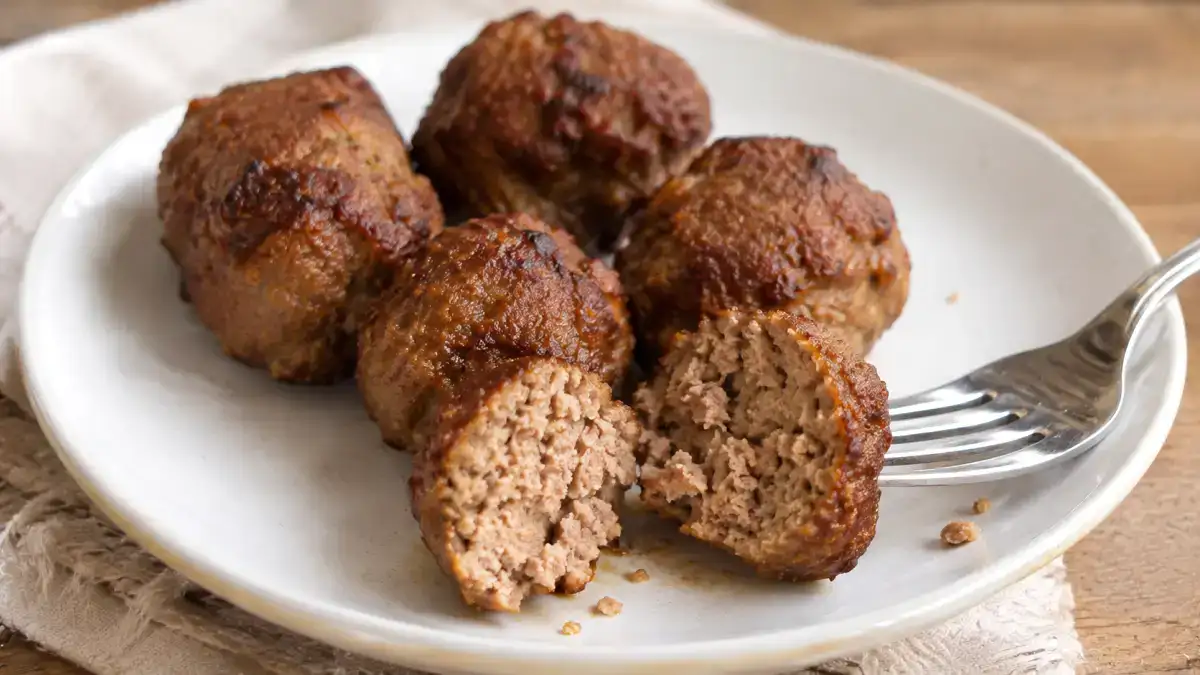
Before blaming the meat or the recipe, think about what happened in the mixing bowl. Working ground meat too much is one of the easiest ways to make meatballs tough, even when all the ingredients are right. Luckily, a few small changes can make an enormous difference. Here's what causes the problem, how to prevent it and what to do if tonight's batch is already dry.
The mistake that turns tender meatballs into little rubber balls
When you squeeze, knead or stir ground meat aggressively, its proteins become more tightly bound together. That can be useful when you're making a springy sausage, but it's usually not the texture you want in a soft, home-style meatball.
The answer is surprisingly simple: mix only until the ingredients are evenly combined, then stop. You shouldn't need to work the mixture for several minutes. A few gentle folds with clean hands or a fork are generally enough.
If you keep squeezing because the mixture feels sticky, you're making the problem worse. Slight stickiness is normal. What matters is that the seasonings and binder are distributed without turning the meat into a dense paste.
Mix the other ingredients first and add the meat last
Here's a trick that takes almost no extra time. In a large bowl, combine your egg, seasonings, grated onion, herbs and softened breadcrumbs before adding the ground meat. Stir those ingredients thoroughly on their own. Then add the meat and fold everything together gently.
Why bother? Because you won't need to keep mixing the meat just to chase a pocket of salt or dry breadcrumbs around the bowl. The flavor spreads more evenly with less handling.
When shaping, use lightly damp hands and roll each portion just enough to hold together. Don't squeeze the meatballs into compact little rocks. Aim for a loose but stable shape, and try to keep them similar in size so they finish cooking at about the same time.
Don't skip the soaked breadcrumbs
If you've ever wondered why traditional meatballs often contain bread, it's not simply to make the meat go further. Bread soaked in milk or water creates a panade, a soft mixture that helps the finished meatballs stay tender as the proteins cook.
For a practical starting point, try roughly 1/2 cup soft breadcrumbs and 1/4 cup milk for 1 pound of ground meat, adjusting for the bread and the rest of your recipe. Let the crumbs absorb the liquid before adding them. The mixture should be moist, not watery.
Dumping in lots of dry crumbs can make meatballs crumbly or heavy instead. The goal isn't to disguise the meat under a mountain of bread. It's to give the mixture a little support without sacrificing its tender texture.
Very lean meat can make the problem worse
Even careful mixing can't fully compensate for meat that's extremely lean. Fat contributes flavor and helps meatballs feel succulent. With beef meatballs, 80/20 ground beef is a useful starting point for a rich, tender result. A blend of beef and pork is another common choice.
That doesn't mean you can't use lean ground turkey or chicken. It just means you'll need to be especially careful with the panade, cooking time and gentle handling. Finely grated onion can also add moisture and flavor, provided the overall mixture isn't so wet that it falls apart.
If your last batch was both rubbery and dry, you may have had two problems at once: too much mixing and too little fat.
Don't keep cooking them once they're done
A meatball can begin tender and end up dry if it stays in a hot skillet or simmering sauce too long. Browning is great for flavor, but a dark crust doesn't tell you whether the center is safely cooked. Use an instant-read thermometer, checking the middle of a representative meatball.
For food safety, ground beef, pork, lamb and veal mixtures should reach 160°F (71°C); ground chicken and turkey should reach 165°F (74°C), according to the USDA. Cooking times vary with the size of the meatballs and your method, so don't rely solely on a fixed number of minutes.
If finishing meatballs in tomato sauce, keep it at a gentle simmer rather than a furious boil. Once they're cooked through, serve them instead of leaving them bubbling indefinitely.
Can you rescue meatballs that are already hard and dry?
You can't undo an overmixed texture, but you can make dinner much more enjoyable. Transfer the cooked meatballs to a generous amount of warm tomato sauce or gravy and warm them gently just until ready to serve. The sauce adds moisture to each bite, even though it won't magically soften the meat's tightly bound proteins.
If they're especially dense, cut them in half or crumble them into a tomato sauce for pasta, baked ziti or a quick sandwich filling. Smaller pieces are easier to coat, and the change in texture feels less obvious.
Avoid boiling the meatballs for ages in the hope that they'll turn fluffy. For an already overcooked, lean meatball, extra cooking usually doesn't solve the problem.
The five-second check before you roll the next batch
Before shaping, look at the bowl. Are there still obvious patches of dry breadcrumbs or egg? Give the mixture another gentle fold. Is everything just combined? That's your cue to stop.
For even better results, cook a tiny test patty before rolling the whole batch. You can check the seasoning without tasting raw ground meat, then adjust gently if needed. Shape the rest loosely, keep the sizes consistent and use a thermometer instead of guessing when they're finished.
Great meatballs don't require complicated restaurant tricks. They need a little moisture, the right cooking temperature and, above all, a light touch. Next time, give your mixing arm a break. Your dinner will thank you ;-)
 Juliette Hess
I have been creating culinary content for Petitchef since 2017.
I love travelling and discovering new dishes, trying out new food trends and exploring new restaurants.
I’m a huge fan of pasta and noodles in all their forms ❤ from udon noodles to tagliatelle, I love cooking them and even making them from scratch!
I’m currently preparing, filming and photographing your next recipe, and I hope you’ll enjoy it!
Comments