Do you throw away celery leaves? Here's why you should keep them!
Tuesday 17 November 2026 21:00 - Adèle Peyches
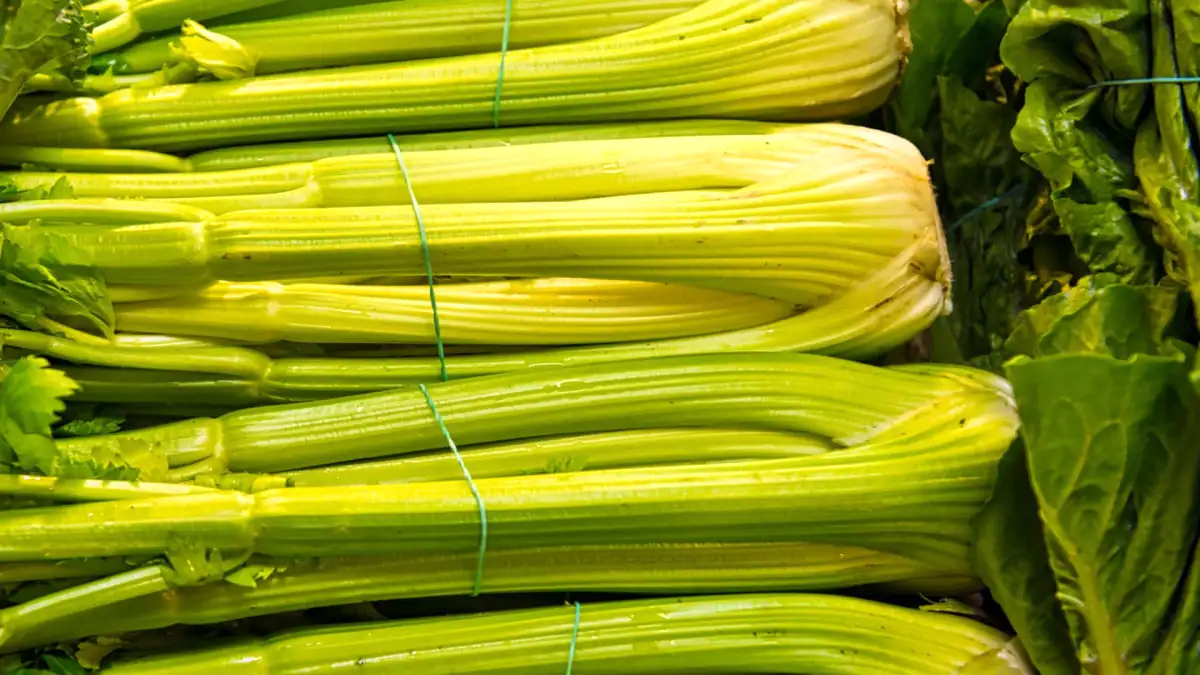
Yet celery leaves have a distinct flavor all their own and can be very useful in the kitchen. Some are delicate, while others have a much stronger flavor. Before throwing them away, see what you can do with them. You might even find yourself buying celery just for the leaves!
Yes, celery leaves are edible
The leaves of celery are edible when they are fresh and properly washed. They have a vegetable flavor that is often more intense than that of the stalks. That’s why just a small amount is enough to add flavor to a dish.
The tender leaves near the heart are generally delicious when finely chopped. The outer leaves, which are more developed, may have a stronger flavor and are well-suited for cooked dishes.
Be careful not to pick just any plant that resembles celery in the wild: some toxic wild plants may look similar. Use only leaves from celery that has been clearly identified as edible. And if you’ve purchased a bunch with specific usage instructions, be sure to follow them.
The perfect flavor for homemade broth
The first way to use them is undoubtedly the simplest: add a few celery leaves to a broth, along with an onion, a carrot, and herbs. They add a fresh, vegetable-like flavor that pairs particularly well with vegetable soups.
You can also add them to a pot of lentils, a tomato sauce, or a stew. But don’t add a huge handful right from the start: their flavor can overpower milder ingredients. Start with a few leaves, taste, then adjust.
If you’re making a broth that will be strained, the leaves can steep with the other herbs before being removed. For a pureed soup, they can stay in the mixture if their texture works well with it. It’s a simple way to make the most of an ingredient that might otherwise be overlooked.
When making a salad, choose the most tender leaves
The small leaves near the heart are great for adding flavor to a salad. Finely chop them, then mix them with grated carrots, cucumber, or a lentil salad. Their strong flavor pairs well with a lemony vinaigrette.
They can also enhance a potato salad, complementing parsley or chives. Just remember to add them gradually: what seems very fragrant on a single leaf can become overpowering when added to an entire salad bowl.
If you’re hosting someone who doesn’t like celery, it’s best to let them know. Celery is a recognized food allergen. The leaves, stalks, and other parts of the plant should therefore not be used without warning in a dish intended for someone with an allergy.
How about making some green sauce?
Celery leaves can be used in a herb sauce, along with parsley, a little lemon juice, olive oil, and, if desired, nuts or seeds. Blend in small batches until you reach the desired texture.
This sauce pairs well with roasted vegetables, potatoes, or pasta. It has a more pronounced flavor than a classic basil pesto, which is especially appealing if you enjoy vegetable-forward flavors.
When storing a homemade preparation made with herbs and oil, exercise caution: do not leave it at room temperature for several days. Refrigerate it promptly if you plan to use it soon, or freeze small portions. Oil alone does not guarantee protection against microbiological risks.
How can you store the leaves if you don't need them right away?
When purchasing, choose a bunch whose leaves are neither yellowed nor slimy. Once home, remove any damaged parts and store the healthy leaves in the refrigerator in a clean container that prevents them from drying out without causing condensation to build up.
If you don’t plan to use them right away, freezing is a convenient option. Wash them thoroughly, dry them, then chop them before dividing them into small portions. You can add them directly to a hot soup or sauce.
The texture after thawing will be less suitable for a raw salad. Therefore, reserve freezing for cooked dishes. And as with other fresh herbs, don’t try to salvage leaves that show signs of mold or have an unusual odor.
Three Simple Steps to Make Sure You Never Forget Them Again
First tip: When you cut celery, immediately separate the leaves from the stalks. You’ll see right away how much you have available. Second tip: Plan to use it the same day, even in a very simple way, such as adding a few leaves to a soup or sauce.
Third tip: When preparing a bouquet garni, add a few celery leaves along with the thyme and bay leaf. You’ll find that they can sometimes be a great substitute for a missing herb, even if they don’t provide exactly the same flavor.
So, celery isn’t just about its crunchy stalks. Its leaves also deserve a place in the kitchen. And the next time you make soup, you’ll have a little fragrant bonus right at your fingertips… without having to buy anything extra!

Editorial Manager of Ptitchef’s French edition, Adèle is passionate about food and gastronomy. A former culinary tour guide in Bordeaux, she explores food traditions worldwide, seasonal ingredients and shares her discoveries through recipes and practical advice.
Comments