Leeks: don't throw away the green parts: here's what you can actually do with them
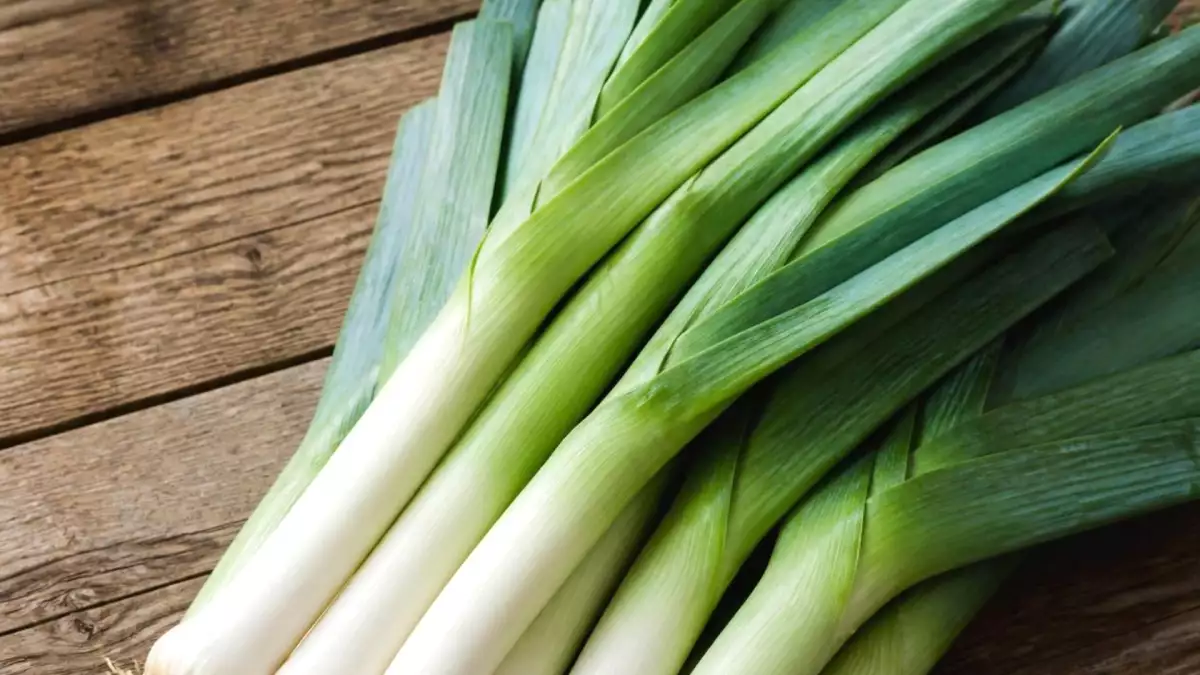
It’s true that with its firmer leaves, dark color, and sometimes slightly tough texture, the green part of the leek doesn’t exactly have the same reputation as the white part. However, throwing it all away is far from necessary. You just need to know which leaves to keep, how to clean them, and (most importantly) which recipes will really make them enjoyable to eat.
First of all, not all green parts are necessarily worth keeping
On the other hand, ends that are very dry, yellowed, or really tough can go in the compost. No need to go to great lengths to save every centimeter ;-)
The green part is naturally more fibrous than the white part. That’s why it works best in dishes where it’s finely sliced, cooked for a long time, or pureed.
The real trap is, above all, the soil hidden among the leaves
Cut the green part in half lengthwise, spread the leaves apart, and then rinse them thoroughly under cold water. If they’re very muddy, you can also soak them for a few minutes in a large bowl of water, then rinse them one last time.
Once clean, dry them quickly and cut them according to the recipe.
In soup, this is probably the simplest way to use it
Combined with potatoes, a little onion, and broth, it blends very easily. The color will simply be a little greener than if you used only the white parts.
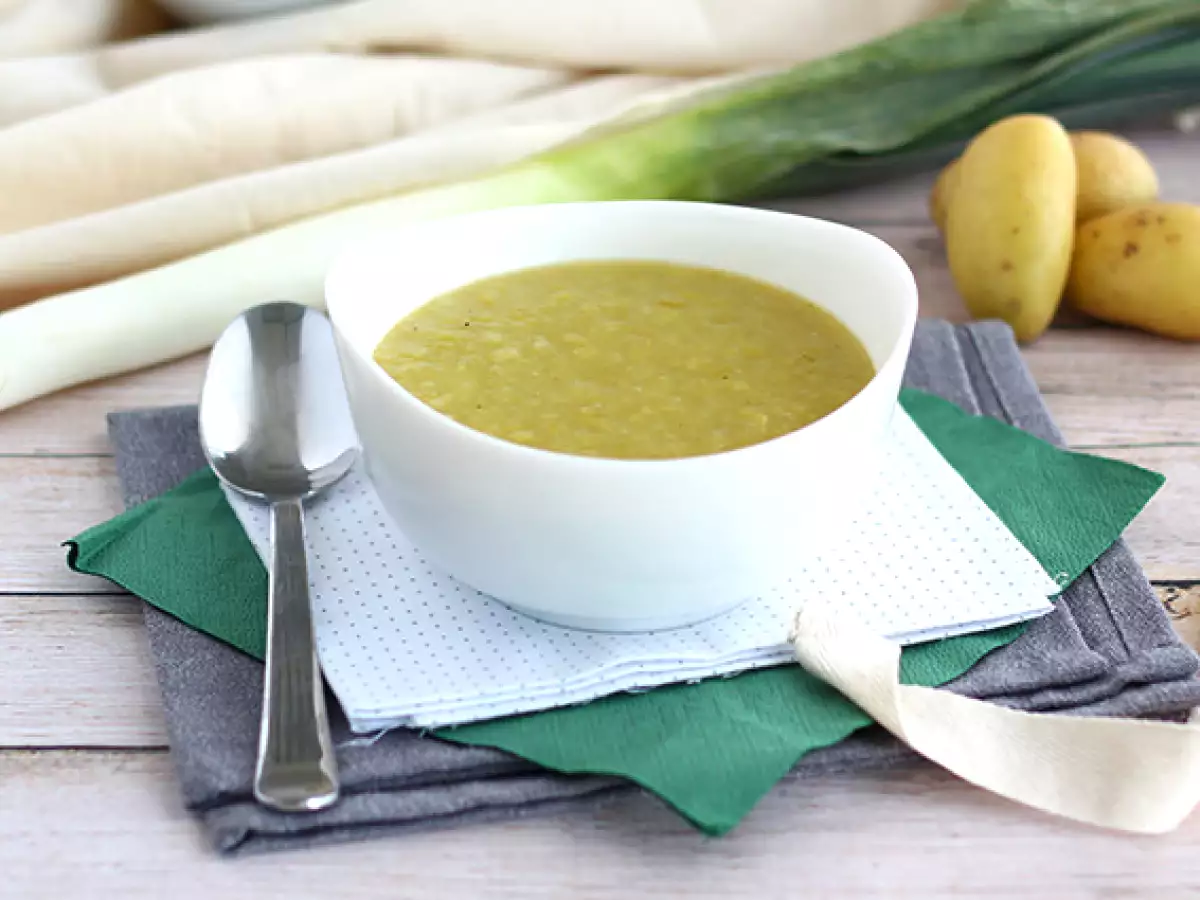
During the cold days of autumn and winter, nothing beats a good homemade soup to warm you up! Easy to make, it's also a great way to get plenty of seasonal vegetables. Try the combination of potatoes and leeks, and feel free to add some crunch with...
You can also go for a more flavorful version with curry and coconut milk:
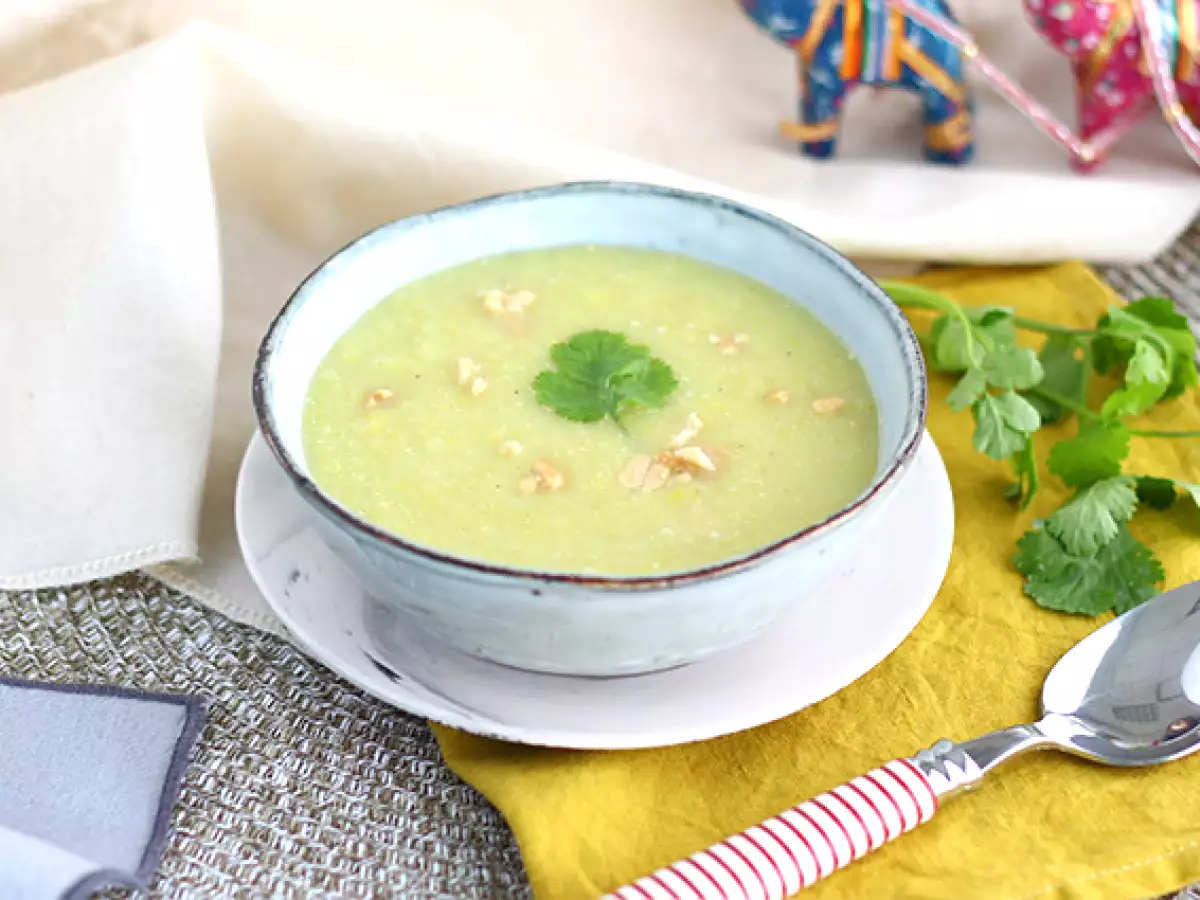
When you come home in the evening after a day in the rain and cold, the solution lies in dinner with this delicious leek, coconut, and curry soup! Creamy and very easy to make, it will bring sunshine into your home as well as a touch of the exotic!...
When making fondue, you just need to give it a little more time
Sauté it gently with a little fat and let it cook, covered, until it’s very tender. You can mix the green and white parts if you’re using a whole leek.
This dish pairs very well with fish, scallops, white meat, or simply served on a plate with rice.

One of our favorite vegetables? Leeks! The best dish to make with them? Leek fondue! A simple, healthy dish that delights everyone at the table. Ideal served with a piece of fish such as salmon or shellfish such as scallops. Today, we're...
If you're using it in a tart or quiche, bake it first
The best approach is to sauté them in a pan before adding them to the tart. Once it’s tender and the moisture has evaporated, you can use it just like a classic leek fondue.
Then add eggs, cream, cheese, salmon, or whatever you have on hand.
Even leftover fondue can still be put to good use
A leek fondue can be added to savory muffins, an omelet, baked eggs, or a gratin. Since the leeks are already cooked, you can usually just add them to the mixture.
Savory muffins are especially handy as an appetizer or for lunch with a salad:

Today, we've decided to make sure the whole family eats their vegetables! So we're choosing leeks, which we'll hide in savory muffins! These muffins are great to nibble on as an appetizer or starter, or to serve with a mixed salad for an easy,...
To make homemade broth, save the firmest parts
Place them in a pot with well-washed carrot peels, a stalk of celery, an onion, herbs, or other vegetable trimmings. Cover with water, then let it simmer before straining.
In this case, the texture of the greens doesn’t matter at all, since the vegetables will be removed after they’ve infused the liquid with flavor. The resulting broth can then be used for soup, risotto, or cooking grains.
You can also freeze it for later
Once frozen, they will inevitably lose some of their texture. But for soup, broth, or a stew, that’s absolutely no problem.
The most convenient way is to freeze it already cut into small portions. That way, you can take out exactly what you need without having to thaw the entire bag.
So, what do we actually throw away?
And the next time you prepare leeks, you’ll probably see that big bunch of green leaves in a different light. It’s not automatically waste: it’s simply a part of the vegetable that requires a slightly different cooking method.
 Adèle Peyches
Comments