Green or blue garlic in your kitchen? Many people throw it away without understanding what it really means
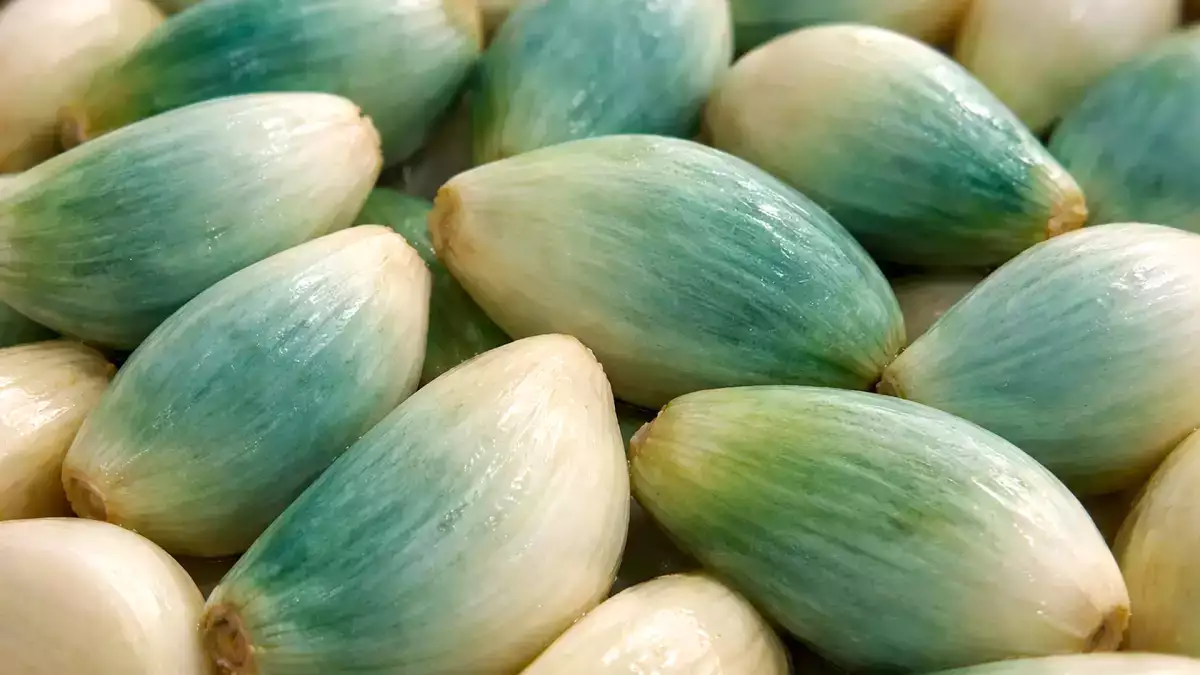
Have you ever picked up a clove of garlic and been startled to see that strange shade between green and blue? The reaction is almost automatic: it looks wrong, perhaps spoiled or even dangerous. After all, it's not the color we're used to seeing in everyday cooking.
But the truth is that this phenomenon, which seems alarming at first glance, has a much simpler and more surprising explanation. Before you throw everything away or give up on the recipe, it's worth understanding what's really going on inside the garlic and why it's not, in most cases, a cause for concern.
Why does garlic change color?
This phenomenon is more common than it seems and has nothing to do with mold or contamination in most cases. In fact, it's pure natural chemistry.
Garlic contains sulphur compounds and enzymes which, when they come into contact with:
- acids (vinegar, lemon)
- heat
- or even storage time
can react and form bluish or greenish pigments.
This happens a lot in
- preserves (garlic in vinegar or oil)
- chopped garlic stored in the fridge
- recipes with acidic ingredients
In other words: it's not a defect, it's a reaction.
Is it safe to eat green or blue garlic?
In the vast majority of cases, yes, it is completely safe.
This color change
- does not indicate toxins
- does not significantly alter the nutritional value
- does not pose a health risk
At most, there may be a slight change in taste, sometimes milder, sometimes a little metallic.
When should you worry?
This is where the important point comes in.
Not all "colored" garlic is automatically safe. You should be wary if there is
- a strong, unpleasant smell (different from normal garlic)
- slimy or sticky texture
- presence of mold (black or white fuzzy spots)
If any of these signs appear, then it's best to discard it.
Why is this happening more now?
Many people have noticed this phenomenon more frequently, and this is no coincidence.
Some factors that increase the chances
- fresher or younger garlic (it has more reactive compounds)
- changes in industrial storage
- greater use of home canning
- variations in soil and cultivation
In other words, it's not that the garlic has "gotten worse", you're just more exposed to this type of reaction.
Can you prevent garlic from turning blue or green?
If the appearance bothers you, there are a few simple tricks:
- Use older (less reactive) garlic
- Avoid prolonged contact with strong acids
- Cook quickly instead of marinating
- Store in a dry, well-ventilated place
But to be blunt: 100% avoidance is difficult because it's a natural reaction.
So you can continue using it without fear?
Yes, as long as there are no signs of deterioration.
Green or blue garlic may seem strange at first glance, but most of the time it's just a harmless chemical effect.
The real risk is not in the color... but in the signs that many people ignore.
 Mirella Mendonça
Comments