The secret to moist banana bread is how you mash the bananas
Tuesday 17 November 2026 15:30 - Juliette Hess
Before changing your entire recipe, look at one of the first steps: how you mash the bananas. A fork and a few small lumps can give you a different result from a perfectly smooth puree. But mashing alone can't save a loaf made with underripe bananas, too much flour or an overworked batter. Here's what really makes the difference.
Why the way you mash bananas matters
Bananas do more than add flavor. They contribute moisture, sweetness and softness to banana bread. When you mash them, you're deciding how that fruit will spread through the batter. A fairly even mash helps distribute banana throughout the loaf, while a few small, soft pieces can create delicious pockets of fruit.
Big chunks are another story. They may stay wet and uneven in the finished slice, especially if the surrounding batter hasn't baked thoroughly. That's why the goal isn't whole pieces or baby-food-smooth puree. Think soft, thick and mostly mashed.
A blender isn't automatically wrong, particularly when a recipe specifically asks for a puree. It simply gives you less control over the final texture, and it isn't necessary for everyday banana bread.
Use a fork, and stop before the bananas become liquid
Peel the bananas into a wide bowl and press them with the back of a fork. Keep going until most of the flesh has broken down and the mixture resembles a thick, slightly lumpy mash. You should still be able to spot a few tiny pieces, but there shouldn't be large, firm chunks.
Don't worry about making it perfectly smooth. Those little variations can make each bite feel more homemade. More importantly, the fork lets you see exactly what you're doing without turning mashing into another complicated kitchen task.
If the bananas are truly ripe, they'll collapse with very little effort. If you're struggling to break them down, they may simply need more time in the fruit bowl.
The ripeness of the bananas is just as important
Here's the part that deserves as much attention as the fork: choose bananas with lots of brown spots. As bananas ripen, their starches change and their flavor becomes sweeter and more pronounced. Very ripe bananas are softer and easier to distribute evenly through the batter.
Bright yellow bananas can work in some recipes, but they generally give a different flavor and texture from deeply speckled ones. Don't rely on a blender to make firm, underripe fruit behave like ripe bananas.
And there's a limit to the 'the blacker, the better' advice. Brown or dark peels alone aren't a problem, but discard bananas with visible mold, an unpleasant rotten smell or other clear signs of spoilage.
Measure the mash before adding it to the batter
Three bananas can mean very different amounts depending on their size. That matters because too little banana can leave the loaf dry, while far too much can make the center dense, damp or gummy.
Check the amount your recipe calls for after mashing. As a rough reference, one medium banana often gives about 1/2 cup mashed fruit, but measuring is more reliable than counting. If your recipe specifies a weight, use a kitchen scale.
Resist tossing in an extra banana 'for moisture' without adjusting anything else. Banana bread needs a balance between fruit, flour, fat, eggs and leavening. Adding more fruit isn't always an improvement, even when you love a strong banana flavor.
The biggest mistake happens after you add the flour
You can mash the bananas beautifully and still end up with a tough loaf if you stir the finished batter for too long. Once flour meets the wet ingredients, excessive mixing can encourage gluten development and create a firmer, less tender crumb.
Mix the mashed bananas with the wet ingredients as your recipe directs. Combine the dry ingredients separately, then fold the flour mixture in just until no dry streaks remain. A few small lumps in quick-bread batter are generally fine.
Don't beat the batter in hopes of making it fluffier. Banana bread isn't a sponge cake, and prolonged stirring after adding flour can work against the soft texture you're after. When everything is incorporated, put down the spatula.
Already have frozen bananas? Don't waste that liquid
Frozen ripe bananas are brilliant for spontaneous baking. Thaw them completely in a bowl or container, then mash the softened fruit. They'll look much wetter than fresh bananas, and that's normal.
Unless your recipe says otherwise, include the liquid released during thawing. It came from the fruit and belongs in the measured banana portion. Pouring it away can change the moisture balance of a recipe developed for mashed bananas.
Measure the thawed banana mixture before using it, and don't automatically add every frozen banana you find. For the best result, stick to your recipe's stated quantity. If the mixture has an off smell or signs of spoilage, discard it.
Four banana bread recipes to put the trick to the test
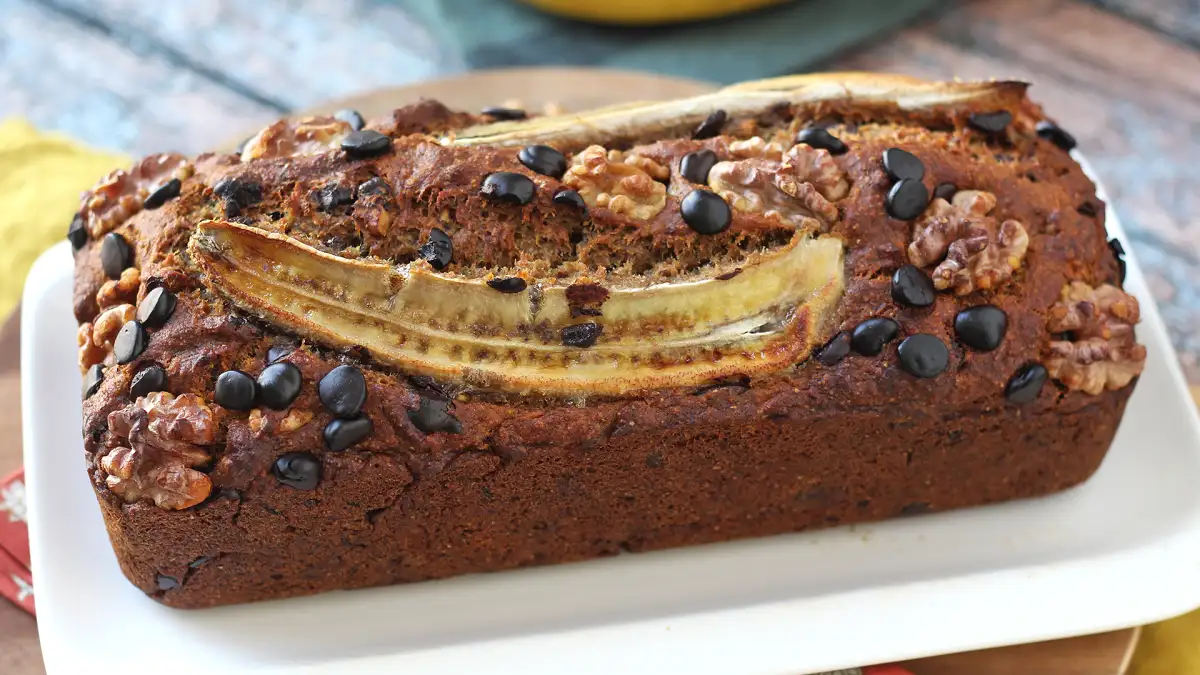
Ready to bake? Start with a classic banana bread and notice how a gently mashed banana mixture folds into the batter:
For a coconut variation without lactose-containing dairy ingredients, try:
If you prefer a loaf made without added sugar, there's another Petitchef option:
And for something more surprising, try our vegan banana bread with white miso, walnuts and dark chocolate. The miso balances the sweetness, while the recipe calls for very ripe bananas mashed until mostly smooth:
Each recipe has its own quantities, so follow its instructions rather than adding extra banana by instinct.
Banana bread (banana cake)
For dessert or an afternoon snack, enjoy this typically American recipe! In the US, it is sometimes made like a loaf of bread, which is where its name, “banana bread,” comes from.
For a coconut variation without lactose-containing dairy ingredients, try:
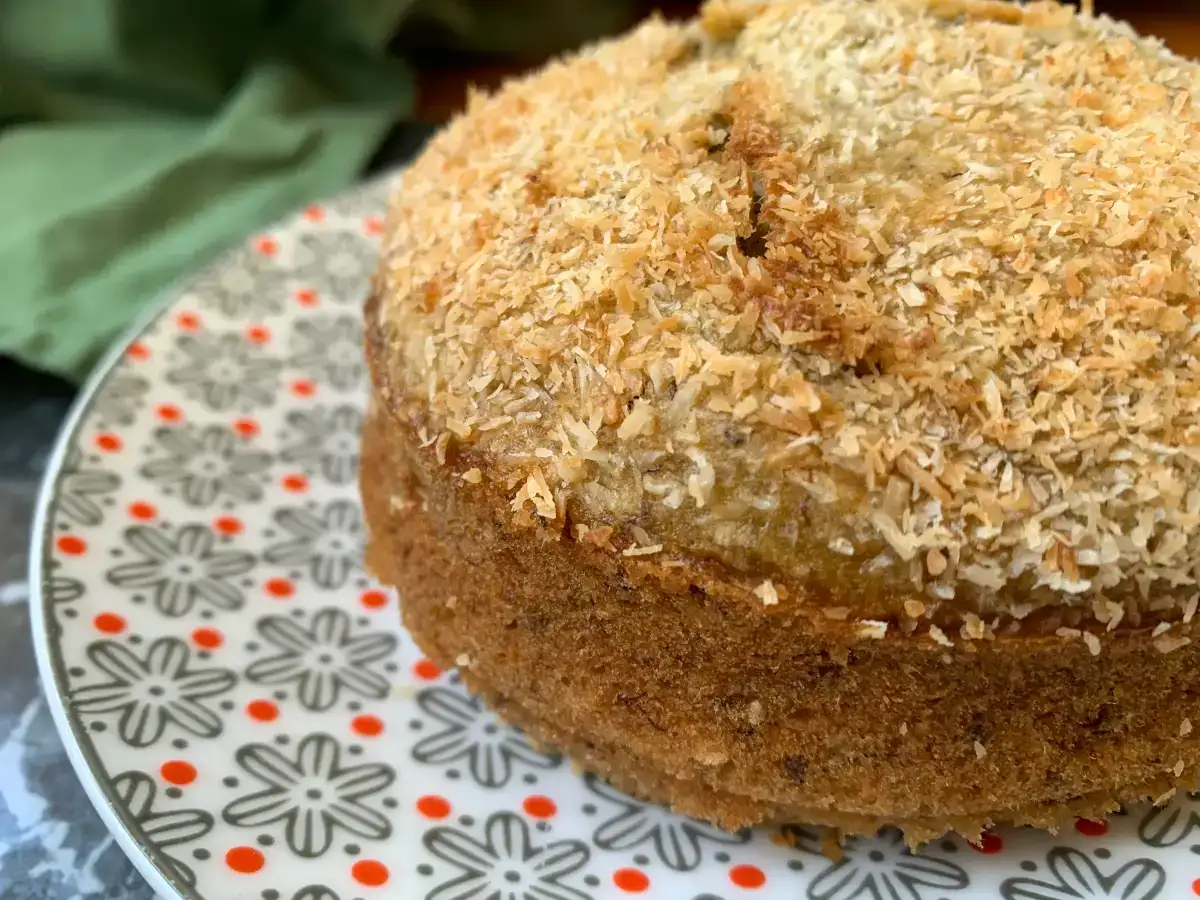
If you prefer a loaf made without added sugar, there's another Petitchef option:
Sugar-free banana cake – banana bread
Do you also find that desserts are often too sweet? Our sugar-free banana bread is sure to delight you! Our secret? Extra ripe bananas, of course! Not only is this recipe sugar-free, but it also helps prevent food waste ;-) After all, you didn't think...
And for something more surprising, try our vegan banana bread with white miso, walnuts and dark chocolate. The miso balances the sweetness, while the recipe calls for very ripe bananas mashed until mostly smooth:
Vegan banana bread with miso, walnuts and chocolate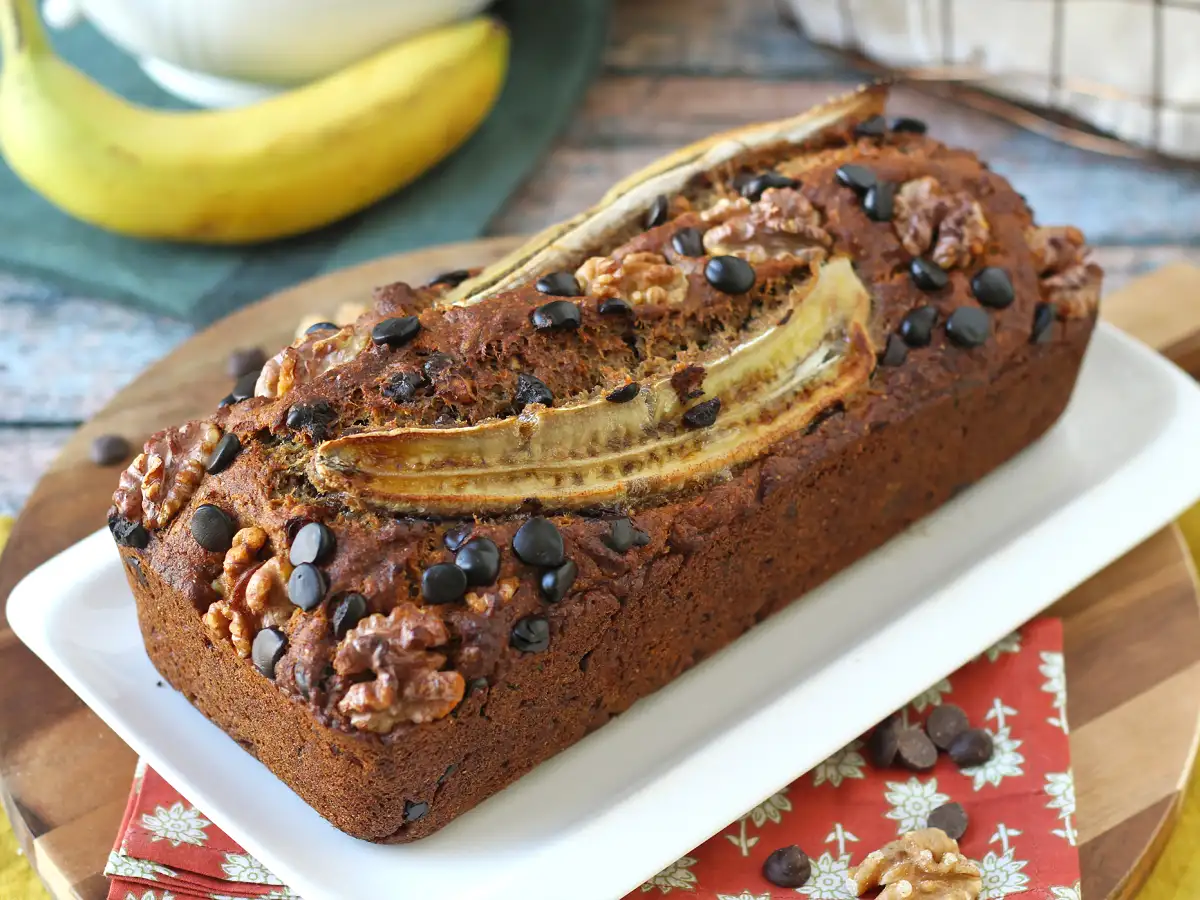
Miso in banana bread? We know, it sounds a little unexpected! But a spoonful of white miso brings out the chocolate and balances the sweetness of those very ripe bananas without making the loaf taste like soup, promise ;-) Add crunchy walnuts and...
Each recipe has its own quantities, so follow its instructions rather than adding extra banana by instinct.
One last check before your banana bread leaves the oven
Even a well-made batter can become dry if it bakes too long. Begin checking near the early end of your recipe's suggested baking window. Insert a toothpick into the center: a few moist crumbs are fine, but wet, raw batter isn't. If the top browns before the middle finishes, loosely tent the loaf with foil and continue baking.
Let it rest in the pan briefly, then transfer it to a rack so trapped steam doesn't leave the bottom soggy. Once cool, wrap it well to help preserve its texture.
So what's the secret? Mash ripe bananas gently, leave a few small lumps, measure the fruit and don't overmix the flour. It's not a magic trick, just several small choices that add up to a better slice. And that's a pretty good reason to save those speckled bananas ;-)

I have been creating culinary content for Petitchef since 2017.
I love travelling and discovering new dishes, trying out new food trends and exploring new restaurants.
I’m a huge fan of pasta and noodles in all their forms ❤ from udon noodles to tagliatelle, I love cooking them and even making them from scratch!
I’m currently preparing, filming and photographing your next recipe, and I hope you’ll enjoy it!
Comments