Why colourful, 'loaded' salads keep popping up and dominating British social feeds right now
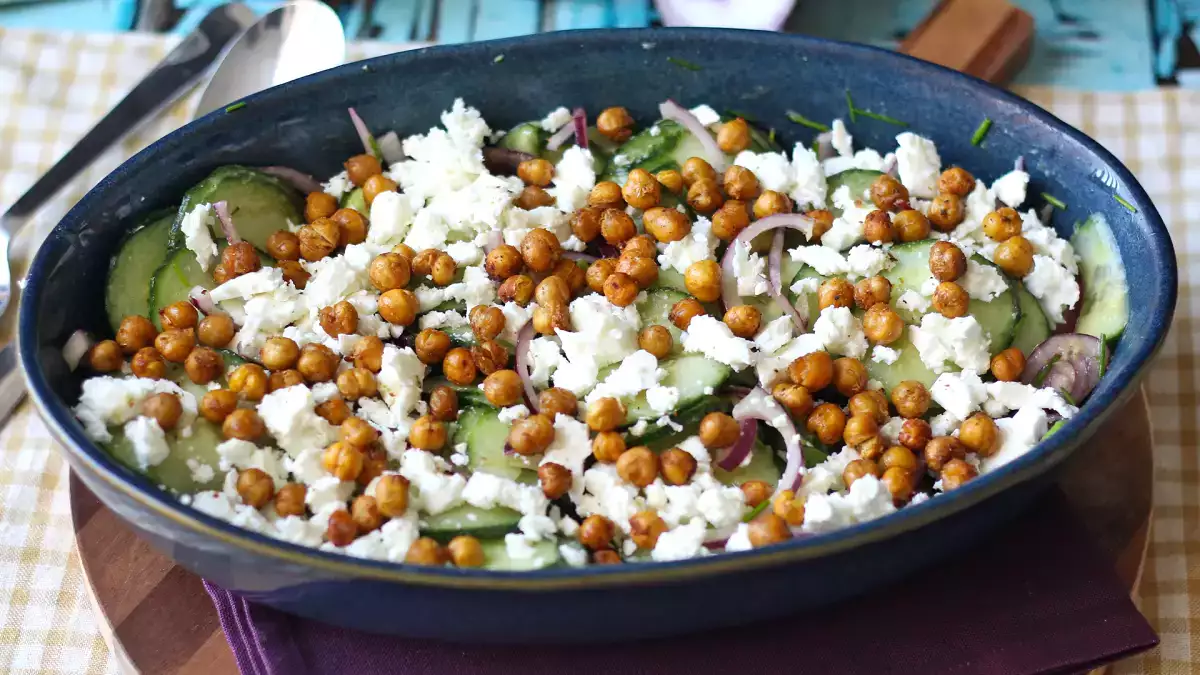
The salad has become a main character
That is why it works so well on social media. A good loaded salad has visual drama: chopped herbs, glossy dressing, crispy potatoes, toasted seeds, creamy cheese, juicy tomatoes, bright cucumber, golden chickpeas or shiny noodles. The camera loves contrast, and loaded salads are basically contrast in a bowl.
It also helps that they feel doable. You do not need chef training to toss ingredients into a big bowl. You need a chopping board, a few smart toppings and enough confidence to pour dressing from a height like you are starring in your own cooking video.
TikTok made salad noisy, and that is a compliment
The Public Sector Catering report notes viral recipes such as cucumber salad and the La Scala chopped salad as examples of how social platforms are shaping what people want to eat. These recipes work because they are clear at a glance: chop, toss, dress, eat. They look fresh, but not fussy.
A cucumber-led salad with bold seasoning and crunch fits this mood perfectly.
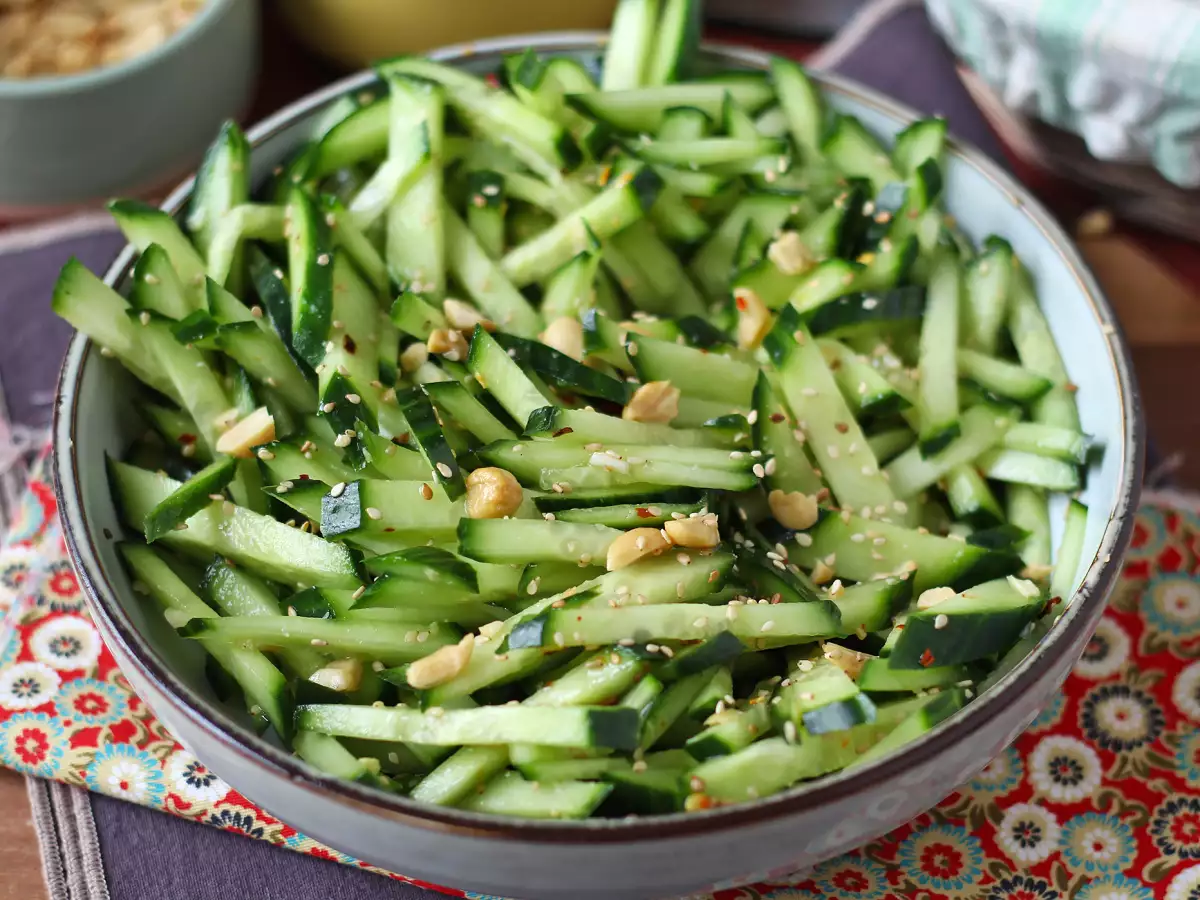
Looking for a cucumber salad that's a little different from the classic versions? This one's got everything you need to wake up your taste buds. Fresh, crunchy and just the right amount of spice, it's an ultra-addictive balance of flavors! The...
Loaded means more than leaves
A loaded salad usually has a structure. Start with a base such as leaves, cabbage, grains, noodles or potatoes. Add vegetables for freshness. Add protein for staying power. Add something creamy, something crunchy and a dressing with attitude. Suddenly, the salad becomes lunch, dinner or the thing everyone asks about at the barbecue.
A bowl built around cucumber, roasted chickpeas, avocado and cheese is exactly the kind of generous combination that makes the trend feel satisfying rather than flimsy.
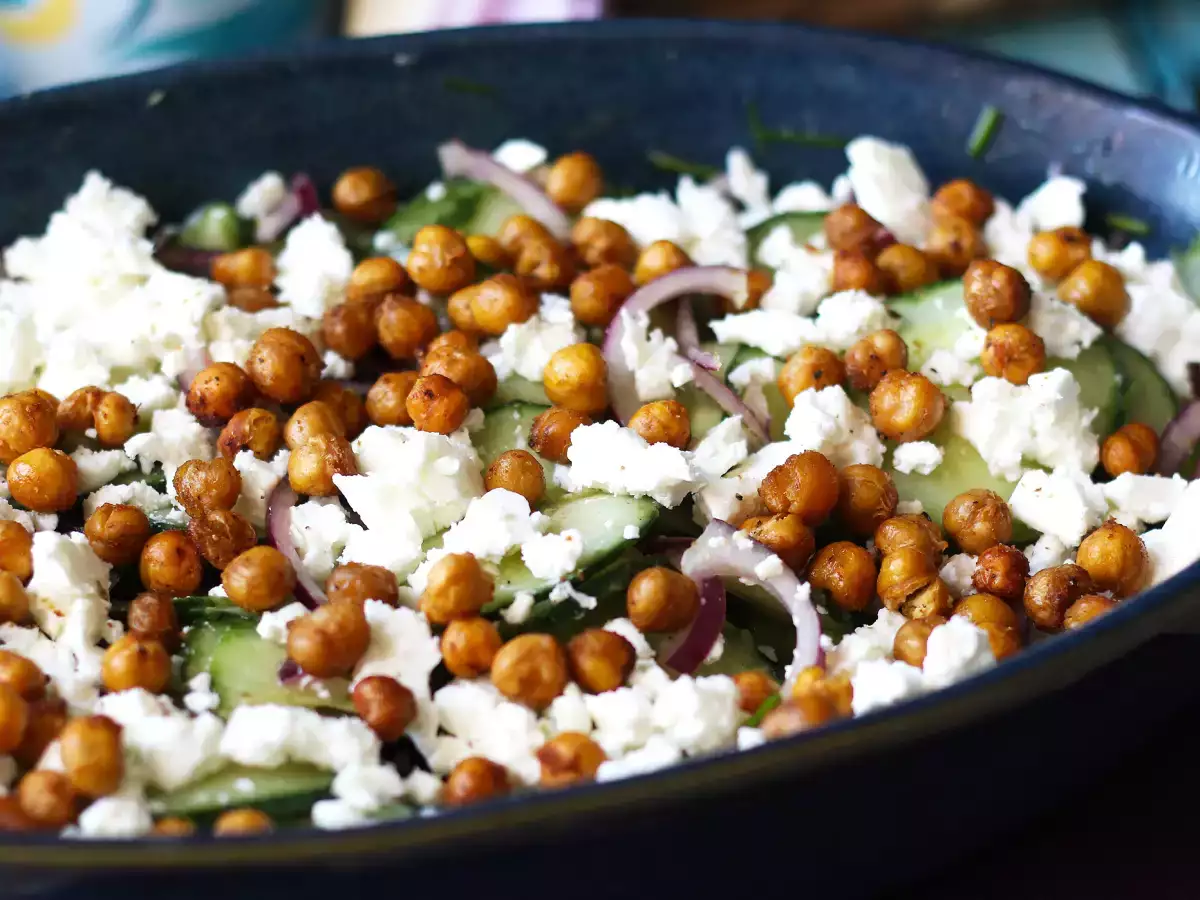
Fancy a hearty salad that's a little different from the classics? This version ticks all the boxes! Between the crunch of the cucumber, the creaminess of the avocado and the crisp, spicy chickpeas, every bite is full of texture and flavor. The...
Texture is the new dressing
This is also why salads are moving closer to comfort food. Add crispy potatoes or golden gnocchi and suddenly the bowl feels warm, generous and dinner-worthy. It still has vegetables, but it also has that crispy, carby happiness that British eaters understand on a spiritual level.
A salad with crispy gnocchi captures that exact social-feed energy: playful, hearty and still fresh.
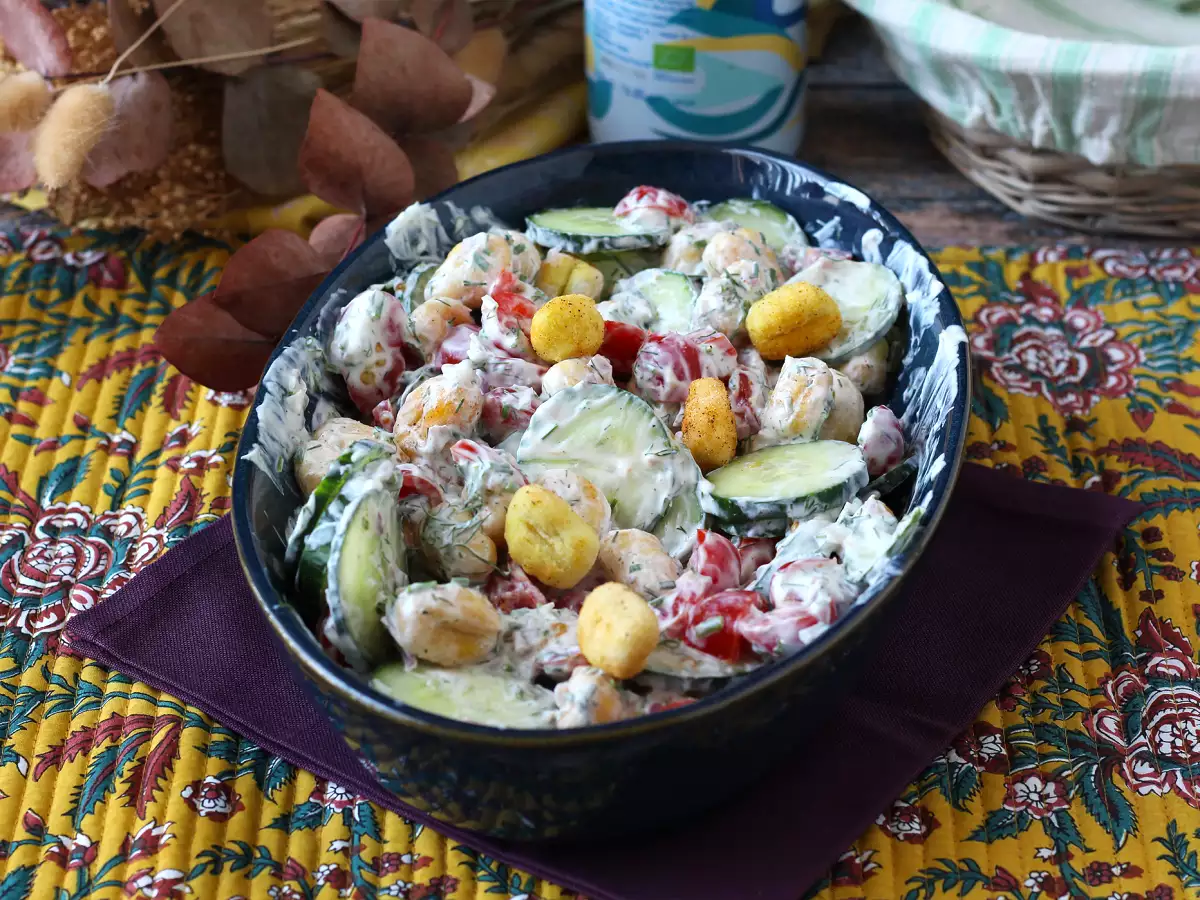
It's a social media star, and it's easy to see why: crispy gnocchi salad is the perfect combo of indulgence and freshness! Easy to prepare and super trendy, it's made with golden, crispy gnocchi , a yoghurt sauce flavoured with fresh herbs, and...
The dressing has become the plot twist
On social media, dressings also create the big reveal. You see the bowl before, then the glossy pour, then the toss. It is dramatic, quick and delicious-looking. The best dressings are not shy. They bring acid, salt, richness and a little surprise.
A spring-roll-style salad with noodles, prawns and peanut sauce works because it borrows the joy of a favourite dish and turns it into a bowl you can eat with a fork.
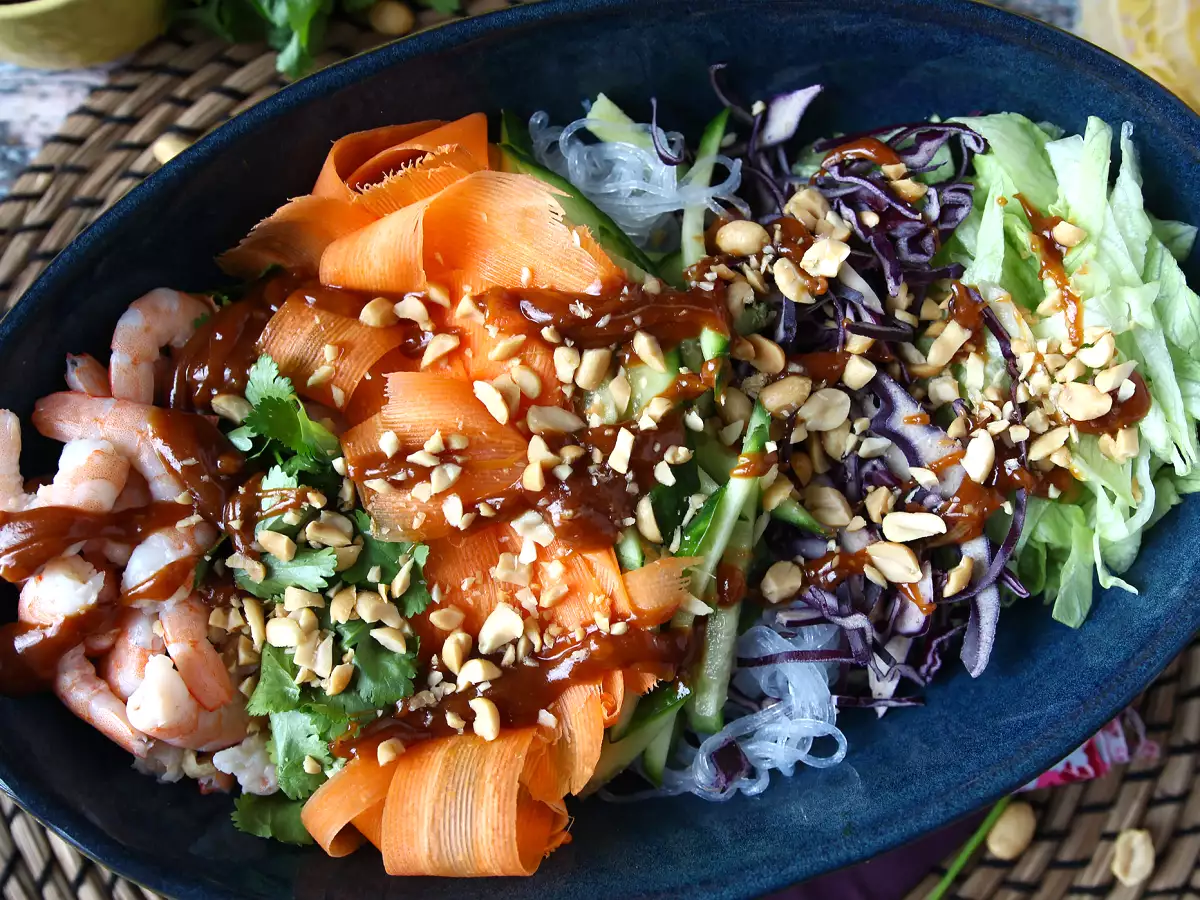
Looking for a fresh, colorful salad with a difference? This rice vermicelli and shrimp spring roll salad is perfect: light yet filling, with a mix of crunchy vegetables (carrot, red cabbage, cucumber, lettuce...) that add texture to every bite! And...
Protein makes the salad feel like dinner
This is especially useful for busy UK households. A loaded salad can use leftovers, ready-cooked ingredients, tinned pulses or chilled supermarket staples. It is flexible enough for weeknights but still bright enough to feel exciting.
A salmon and chickpea combination gives that useful mix of protein, fibre and freshness.
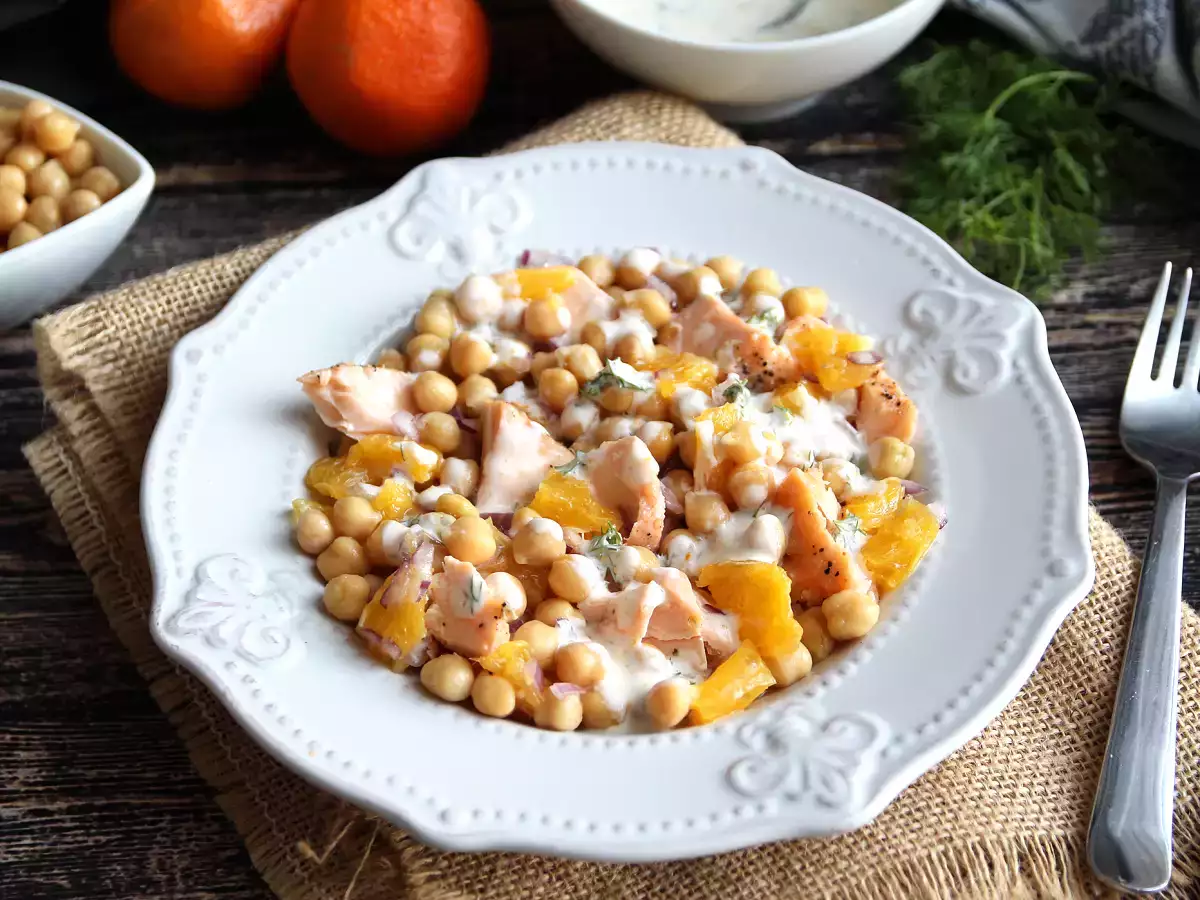
Want to try a salad that's a little different? Try our combination of salmon + chickpeas + orange with a touch of fresh dill! It's a protein-rich dish we love to take to work for a healthy, balanced lunch. And you'll love our sweet-and-savory...
Grains and pulses make it budget-friendly
This matters in Britain, where many people are looking for meals that feel fresh but do not demand a luxury shop. A good loaded salad can stretch ingredients beautifully: one cucumber, a tin of chickpeas, a little cheese, leftover rice and a punchy dressing can become something that feels intentional.
A quinoa-style tabbouleh is a great example of how grains, herbs and freshness can make a salad feel bright and substantial.
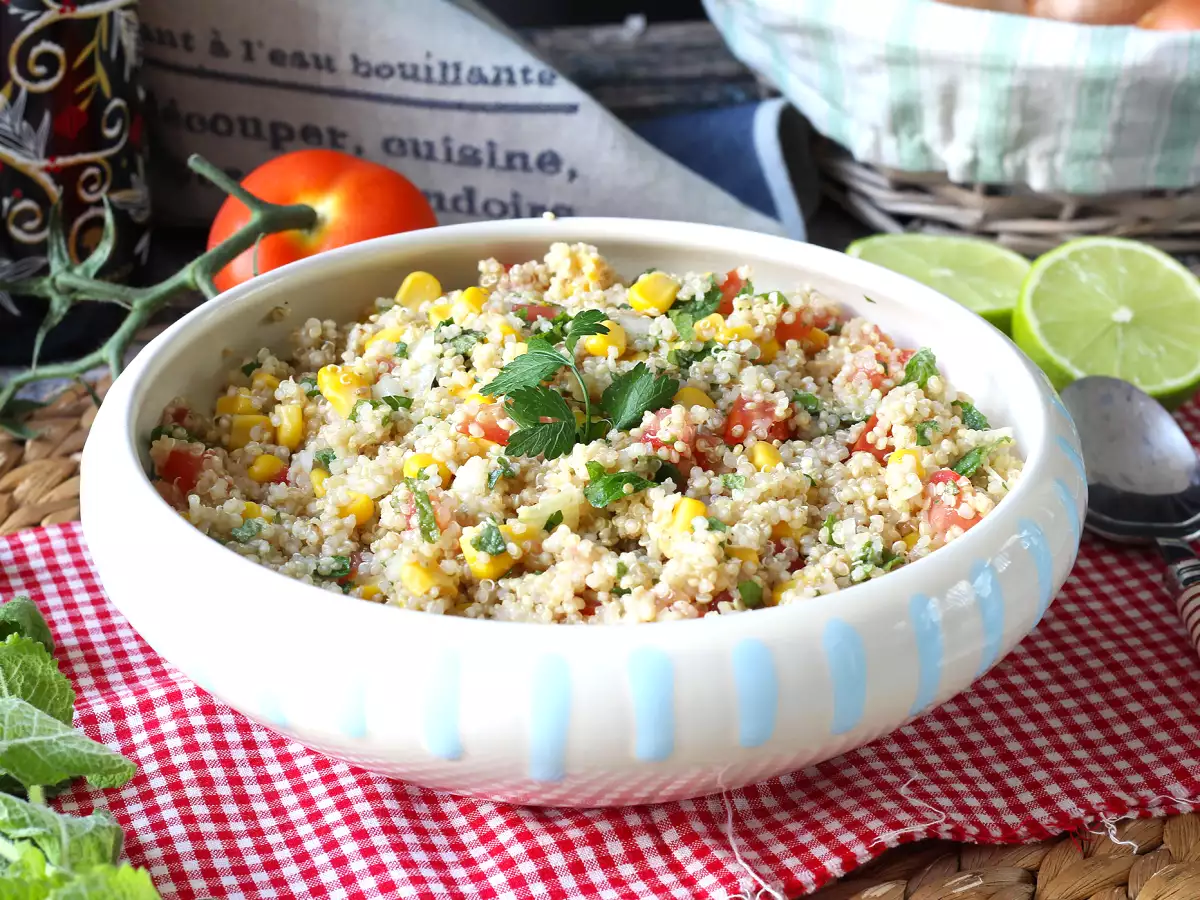
If you love the freshness and fragrance of traditional tabbouleh but are looking for a more nutritious, gluten-free version, this salad made with quinoa and flavored like tabbouleh will win you over. Rich in fiber, light, and full of fresh...
Jar salads are back because they solve real problems
The trick is layering: dressing at the bottom, sturdy ingredients next, leaves at the top. Shake or tip into a bowl when ready to eat. It is neat, efficient and very compatible with the modern “meal prep but make it cute” mindset.
A vegetarian jar salad fits the trend because it is colourful, portable and easy to personalise.
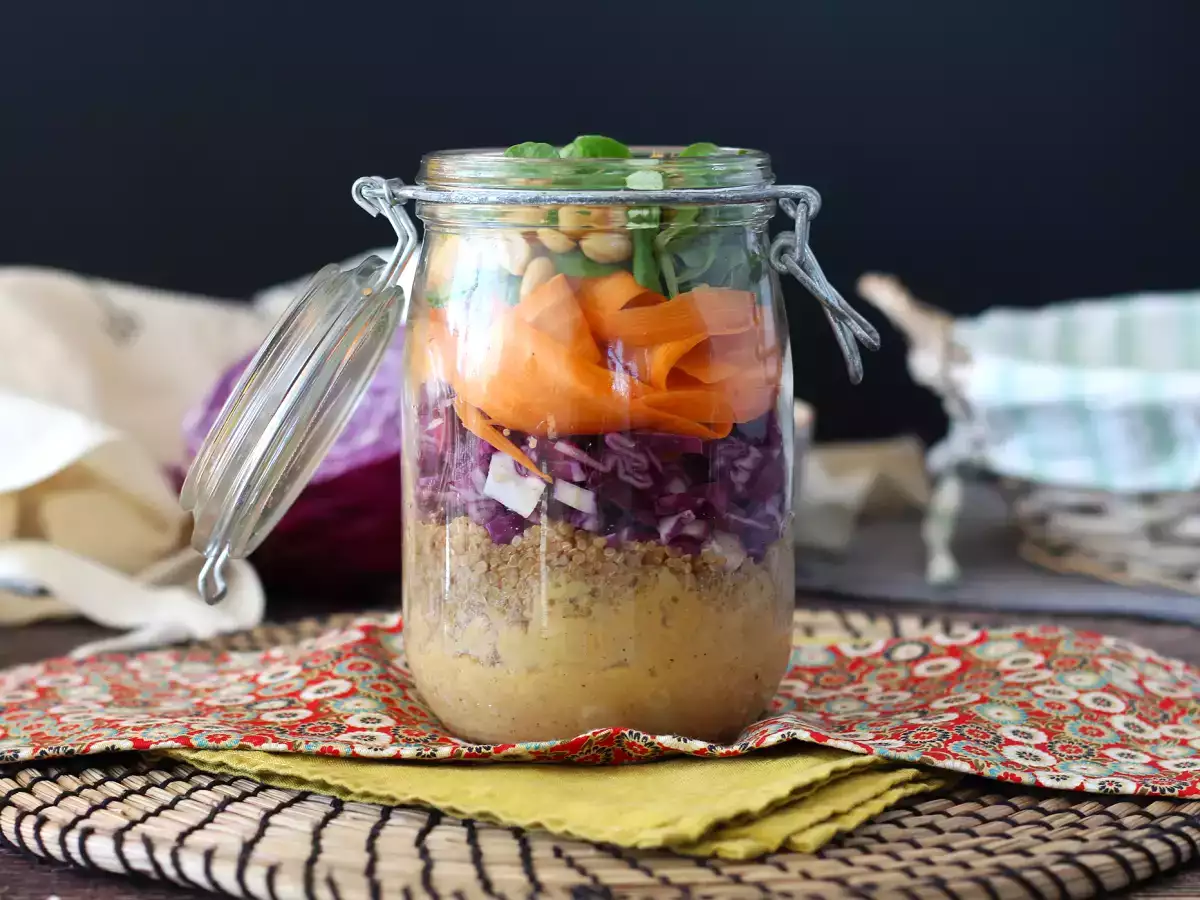
Time is never enough to prepare tasty dishes at home before going out in the morning. We know that you always make the usual sandwich . But at Petitchef we are always on the lookout for new recipes that are easy to take to work (and beyond)....
Loaded salads are seasonal without trying too hard
That flexibility is one reason the trend lasts beyond a single viral recipe. Once people learn the formula, they can adapt it endlessly. Today it is cucumber and chilli oil. Tomorrow it is lentils and feta. Next week it is watermelon, avocado and herbs.
A watermelon-based salad brings exactly the juicy, colourful summer energy that tends to stop the scroll.

Calling all fans of fresh food: here's a recipe that will quickly make it into your top three! It's so delicious that Kate Middleton, the Duchess of Cambridge herself, has made it one of her favorite recipes! It's also very high in water, helping you...
How to build a loaded salad that actually works
Do not forget salt and acidity. Many underwhelming salads are not bad because they are healthy; they are bad because nobody seasoned them properly. Lemon, vinegar, pickles, capers, olives, mustard and herbs can make vegetables taste awake.
The aim is not to copy a viral bowl perfectly. The aim is to understand why it works: colour, contrast, freshness, texture and a dressing you actually want to eat.
The takeaway
Loaded salads are taking over British social feeds because they sit at the perfect crossroads of healthy-ish eating, visual drama, affordability, convenience and flavour. They are easy to film, easy to customise and much more satisfying than the old side-salad stereotype.
Social media has helped make salads exciting again, but the trend is sticking because it solves a real dinner problem. People want meals that are fresh but filling, colourful but simple, and good-looking without being impossible. The loaded salad does all of that in one bowl.
So yes, Britain is scrolling for food inspiration and right now, the bowl is winning.
Looking for a fresh, colorful salad with a difference? This rice vermicelli and shrimp spring roll salad is perfect: light yet filling, with a mix of crunchy vegetables (carrot, red cabbage, cucumber, lettuce...) that add texture to every bite! And...
 Juliette Hess
I love travelling and discovering new dishes, trying out new food trends and exploring new restaurants.
I’m a huge fan of pasta and noodles in all their forms ❤ from udon noodles to tagliatelle, I love cooking them and even making them from scratch!
I’m currently preparing, filming and photographing your next recipe, and I hope you’ll enjoy it!
Comments