Freeze cherry tomatoes so they stay perfect all winter, one simple step to keep them separate
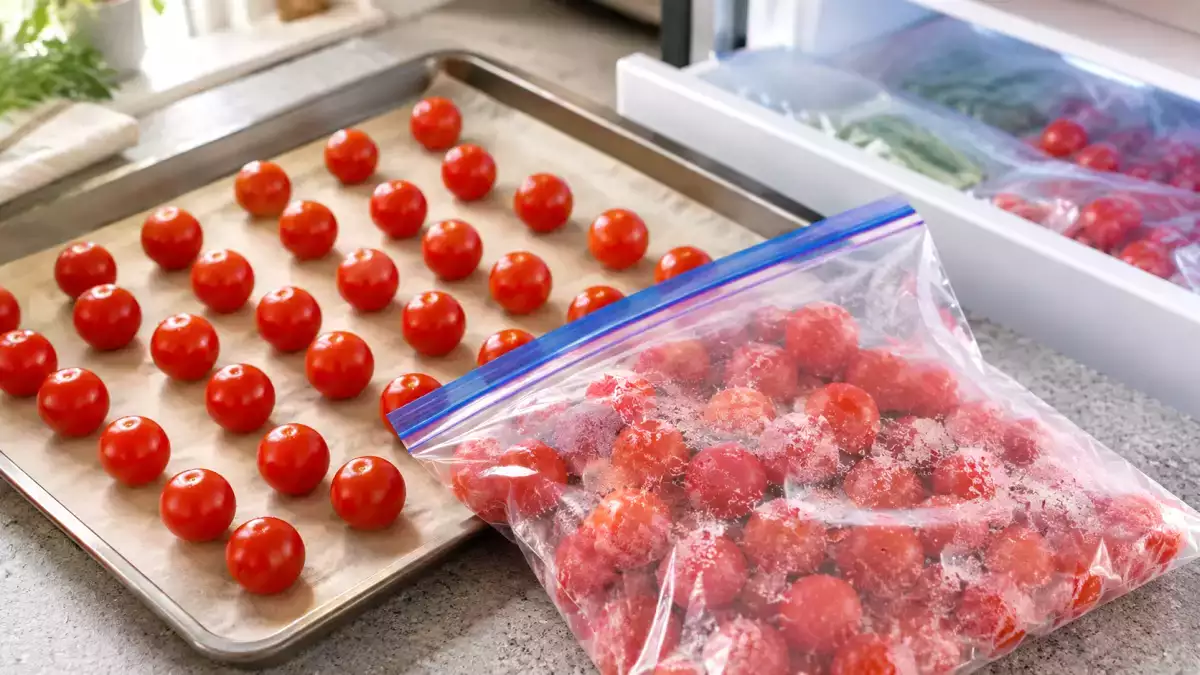
When cherry tomatoes are ripe, sweet, and plentiful, freezing them is a great way to avoid waste and build up a small supply for the winter. The risk, however, is that they’ll all end up stuck together in a single block of ice, which is hard to break apart when you only need a handful.
To avoid this problem, simply don’t put them in the bag right away. The key step is to freeze the cherry tomatoes separately on a tray first and transfer them to the bags only once they’ve become completely hard.
This way, you can take out just the amount you need each time, without having to thaw the entire bag.
You might also be interested in:
 How to preserve summer zucchini for winter: one small freezing step that makes all the difference
How to freeze zucchini in the summer so you can keep them until winter without them becoming mushy or watery. The right way to wash, cut, blanch, and freeze them for use in side dishes, soups, risottos, pureed soups, and quick recipes.
 Make winter dinners easy: 6 simple eggplant recipes to freeze this summer for fast weeknight meals
Summer eggplants can be turned into ready-to-freeze meals to enjoy in the winter: parmigiana, rolls, stuffed eggplant, cutlets, and air-fryer recipes. Here are 6 easy, flavorful eggplant recipes that are perfect for making ahead of time.
Can you freeze whole cherry tomatoes?
Yes, cherry tomatoes can be frozen whole, without needing to be cooked or cut. It’s important to choose tomatoes that are ripe but still firm, free of bruises, mold, or damaged parts.
Cherry tomatoes, datterini tomatoes, and garden-fresh cherry tomatoes are well-suited for freezing. After thawing, however, their texture changes: the flesh becomes softer and waterier. For this reason, it’s best to use them in cooked dishes rather than in salads.
How can I freeze cherry tomatoes without them sticking together?
Before you begin, be sure to wash and dry the cherry tomatoes very thoroughly. Any moisture left on the skin will turn to ice and may cause them to stick together.
The process is simple:
- Choose cherry tomatoes that are intact and fairly firm;
- remove the stems, leaves, and any damaged parts;
- wash them under running water;
- dry them thoroughly with a clean dish towel;
- arrange them on a tray lined with parchment paper;
- Leave a little space between each cherry tomato;
- place the tray in the freezer for about 2 or 3 hours;
- transfer the frozen cherry tomatoes to food storage bags;
- squeeze out the excess air and write the date on the bag.
Freezing them on the tray first prevents the cherry tomatoes from sticking together. Once they’re in the bag, they’ll stay separate and be much easier to use.
Why do cherry tomatoes stick together into a single clump?
Cherry tomatoes stick together when they’re placed in the freezer while still wet or crammed into the bag before they’re frozen.
The water droplets on their surface turn to ice and create small points of contact between one cherry tomato and another. Leaving too much air in the bag can also promote frost formation and reduce the quality of the product.
For this reason, it’s best to use bags that aren’t too large, are easy to seal, and are suitable for the quantities typically used in cooking.
How long do frozen cherry tomatoes last?
Frozen cherry tomatoes can be stored for several months, but it’s best to use them within about six months to fully appreciate their flavor and quality.
Writing the date on the bag helps you keep track of your supply and use the older packages first. It’s best to portion them into small or medium-sized amounts: they’ll be more convenient for making sauce, soup, or a side dish.
Do you need to thaw cherry tomatoes before cooking them?
In most cases, it’s not necessary. Cherry tomatoes can be added directly to the pan or pot while still frozen.
As they heat up, they soften quickly and release some of their liquid. They can be used to make:
- pasta and gnocchisauces;
- soups, clear soups, and pureed soups;
- risottos;
- blended sauces;
- stewed meat or fish;
- toppings for pizza and focaccia;
- pan-cookedvegetables.
For a quick sauce, simply pour the frozen cherry tomatoes into a skillet with oil and garlic. When they begin to soften, you can mash them with a spoon and let them cook until they reach the desired consistency.
Can you eat frozen cherry tomatoes in a salad?
It’s not the best option. After thawing, cherry tomatoes lose the firm texture typical of fresh produce.
For salads, bruschetta, and cold dishes, it’s therefore best to choose fresh cherry tomatoes. Those stored in the freezer work best in cooked dishes, where the softness of the flesh isn’t an issue.
Mistakes to Avoid
To ensure you have a convenient, well-preserved supply, it’s important to avoid some common mistakes:
- freezing cherry tomatoes that are too ripe or damaged;
- not drying them completely;
- putting them all together in the bag right away;
- leaving too much air in the bag;
- forgetting to label the date;
- preparing portions that are too large.
Freezing cherry tomatoes separately takes only a few extra hours, but makes storage much more convenient. During the winter, all you’ll need to do is open the freezer, take out the amount you need, and add it directly to your recipe; no waste and no need to deal with a block of frozen tomatoes that’s impossible to break apart.
 Leandra Masha
Comments