Freeze bell peppers this summer the right way: one simple step to keep them fresh all winter
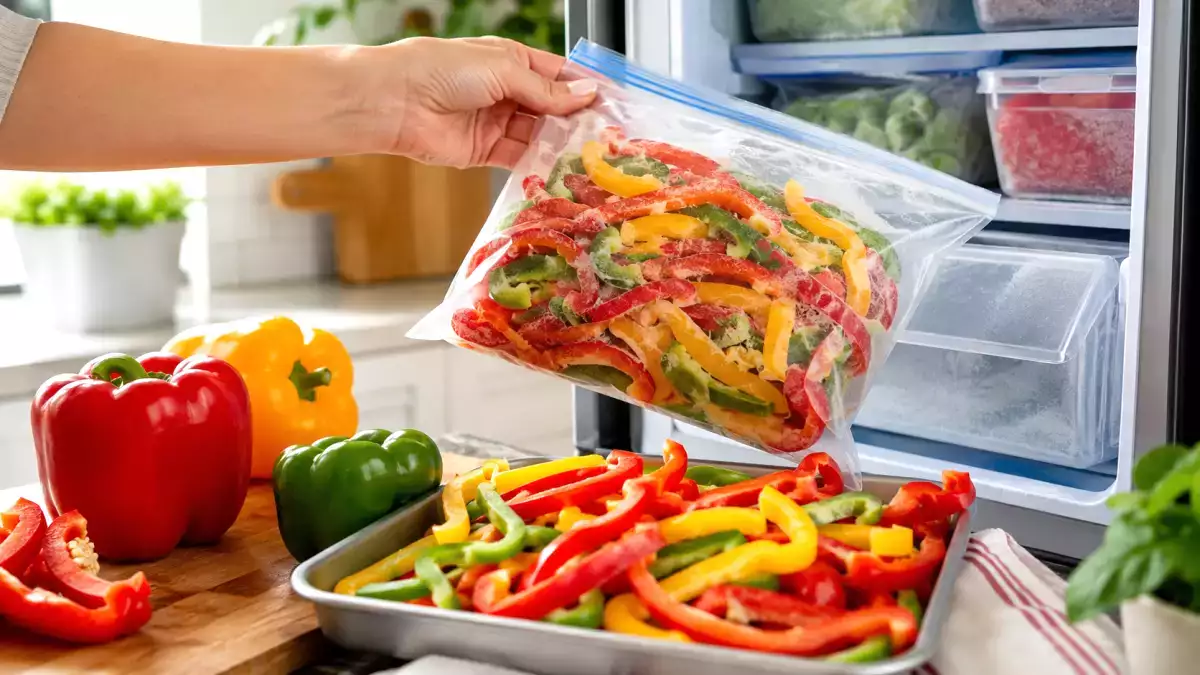
In the summer, bell peppers are at their best: colorful, meaty, fragrant, and often even cheaper. Whether red, yellow, or green, they easily find their way into the shopping cart because they immediately bring to mind simple, flavorful dishes: peperonata, pasta dishes, pan-seared sides, grilled dishes, and savory pies.
The problem arises when we buy too many. After a few days in the fridge, they start to lose their firmness, become less vibrant, and risk going to waste.
At that point, the question naturally arises: how do you freeze bell peppers in the summer so they’re ready for winter?
The answer seems simple: wash them, cut them up, put them in a bag, and pop them in the freezer. That’s partly true, because peppers are among the vegetables that can be frozen raw without too much hassle. But there’s one detail that really makes all the difference.
Can you freeze raw bell peppers?
Yes, you can freeze bell peppers raw. It's one of the simplest and quickest methods, especially if you plan to use them later in cooked recipes.
Unlike other vegetables, bell peppers don’t always need to be blanched before freezing. Just wash them, clean them thoroughly, cut them up, and store them properly. Of course, after thawing, they won’t be as crisp as when you first bought them. That’s why they’re perfect for stir-fries, sauces, soups, omelets, quiches, and fillings.
For salads or dishes where the bell pepper needs to stay fresh and crisp, however, it’s best to use one that’s just been bought.
Which bell peppers should you choose for the freezer?
The freezer preserves food well, but it doesn't improve it. That's why it's important to start with fresh, healthy peppers.
Choose firm, glossy peppers with no dark spots or soft spots. The skin should be taut, and the stem should still be fairly fresh. If a pepper is already damaged, it’s best not to freeze it: once thawed, it will taste even worse.
You can freeze red, yellow, and green bell peppers. The red and yellow ones are sweeter, while the green ones have a stronger, slightly bitter flavor. You can also mix them in the same bag, so you’ll have a colorful base ready for many recipes.
How to clean bell peppers before freezing them
First, wash the bell peppers thoroughly under running water. Then dry them with a clean dish towel or paper towels.
Cut them in half, remove the stem, seeds, and white membranes inside. This step is important because the seeds can be bothersome in recipes, and the membranes can be unpleasant.
At this point, you can decide how to cut them based on how you plan to use them:
- into strips, for peperonata and side dishes;
- into cubes, for sauces, soups, and omelets;
- into rings, for baked or pan-fried dishes;
- halved, if you want to make stuffed peppers in the winter.
The most practical tip is to prepare different cuts and store them in separate bags. That way, you won’t have to improvise later, you’ll already have the right cut ready to use.
The step you shouldn't skip: dry them and freeze them first
This is the most important point. After cutting them, the peppers must be dried very thoroughly. Even if they look dry, they often retain water in their creases and on their inner surfaces.
If you put them in the freezer while they’re still damp, the water will turn to ice. The result? Pieces sticking together, more frost in the bag, and a poorer texture when you cook them.
After drying them, arrange the pieces on a tray lined with parchment paper. They should be in a single layer, without overlapping too much. Place the tray in the freezer for a few hours, until the peppers are firm.
Only then should you transfer them to freezer bags or airtight containers. This simple step allows you to take out just the amount you need in the winter: a handful for a sauce, a few strips for a stir-fry, or a few cubes for an omelet.
Is it better to freeze them raw, cooked, or roasted?
It depends on how you want to use them.
Raw bell peppers are the quickest option. You can prepare them in no time and use them right in the pan without thawing them.
Cooked peppers are convenient if you want to have a nearly ready-to-use base. For example, you can lightly cook them in a pan, let them cool completely, and then freeze them in small portions. In the winter, all you’ll need to do is reheat them and add herbs or other ingredients.
The roasted peppers are perhaps the most delicious option. You can roast them in the oven or on the grill, peel them, slice them into strips, and freeze them ready to use. They’re perfect for bruschetta, side dishes, soups, sauces, pasta, and sandwiches.
The important thing, in all cases, is to let them cool completely before putting them in the freezer. Never freeze food while it’s still hot.
How to freeze bell peppers, step by step
To make sure you get it right, you can follow this simple method:
- Choose fresh, firm bell peppers.
- Wash them under running water.
- Dry them thoroughly.
- Remove the stem, seeds, and inner membranes.
- Cut them into the shape you prefer.
- Pat them dry again if they’re damp.
- Arrange them on a tray, spaced apart.
- Put them in the freezer for a few hours.
- Transfer them to freezer bags.
- Remove as much air as possible and write the date on them.
It may seem like a long process, but it actually takes very little time. You’ll notice the difference when you use them: no hard blocks to break up, no bags full of ice, and no waste.
How long do frozen bell peppers last?
Frozen bell peppers keep well for several months. To ensure the best flavor and quality, it’s best to use them within 6–8 months.
They can stay in the freezer even longer, but over time they tend to lose their aroma and texture. That’s why it’s a good idea to always write the date on the bag and use the older portions first.
Another useful tip is to make small bags. It’s better to have several convenient portions than a single large bag. That way, you only open what you need, and the rest stays well preserved.
Do you need to thaw them before cooking?
Not always. In fact, for many recipes, it’s better to use the peppers while they’re still frozen.
If you’re making peperonata, sauce, a pan of vegetables, or soup, you can add them directly to the pan or pot. At first, they’ll release a little water: let it evaporate, then continue cooking as usual.
If, on the other hand, you want to use them for a savory pie, an omelet , or a filling, you can thaw them in the refrigerator and then pat them dry thoroughly. This way, you’ll avoid adding too much water to the recipe.
The important thing is not to refreeze them once they’ve been thawed. That’s why it’s best to store them in small portions.
How can you use frozen bell peppers in the winter?
Having bell peppers in the freezer is very convenient, especially when you want to add flavor to a dish without wasting time cleaning fresh vegetables.
You can use them to make:
- peperonata;
- pasta with bell peppers;
- chicken with bell peppers;
- sausage and peppers;
- omelets;
- savory pies;
- soups and broths;
- risottos;
- couscous;
- quick sauces;
- roasted vegetables;
- cream soups and veloutés.
They’re perfect for any recipe that calls for cooked bell peppers. Don’t expect them to have the same texture as fresh bell peppers, though; they’ll be softer after being frozen. The flavor, however, remains excellent if they’ve been frozen properly.
Mistakes to avoid
- The first mistake is to freeze peppers that are too ripe or already soft. It’s best to use only fresh vegetables.
- The second mistake is not drying them thoroughly. Water is the main enemy of successful freezing.
- The third mistake is putting them all together in the bag right away. This causes them to stick together and makes them difficult to separate.
- The fourth mistake is not dividing them into portions. A bag that’s too big may seem convenient, but then you’ll end up having to thaw more peppers than you need.
Finally, pay attention to the date. Without a label, it’s easy to forget when you froze them after a few months.
The trick to always having bell peppers on hand
The best approach is to plan ahead with future recipes in mind. Prepare a few bags of bell peppers cut into strips, a few bags of bell peppers cut into cubes, and (if you like them) a few portions of roasted bell peppers as well.
That way, in the winter, all you’ll have to do is open the freezer and choose the right size. It’s a simple way to save time, reduce waste, and bring the flavor of summer to your table even when fresh peppers aren’t as good or are more expensive.
Freezing peppers is easy, but doing it right requires a little care. The truly crucial step is to freeze them separately on a tray after drying them thoroughly. It’s this small step that keeps them convenient, easy to use, and ready for plenty of winter recipes.
 Daniele Mainieri
Comments