How to preserve summer zucchini for winter: one small freezing step that makes all the difference
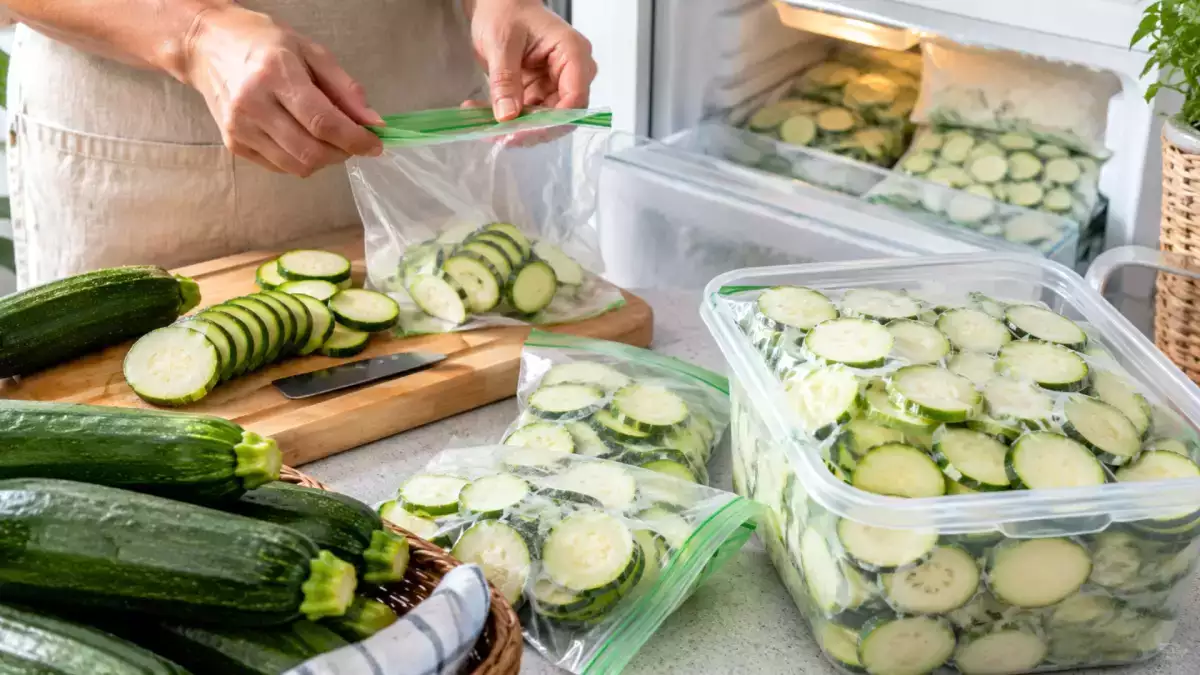
When summer rolls around, zucchini seem to multiply on their own. You buy them at the market because “they’re nice and fresh,” maybe someone gives you a bag from their garden, then you find more on sale, and suddenly the crisper drawer in your fridge turns into a little home greenhouse. At that point, the question naturally arises: how do you freeze zucchini in the summer so you’ll have them on hand in the winter?
The answer seems simple: wash them, cut them up, put them in a bag, and pop them in the freezer. But actually, no; or rather, you can do that, but it’s not always a great idea. Because zucchini are delicious, light, and versatile, but they also have one small flaw: they’re packed with water. If frozen improperly, when you take them out of the freezer, they risk becoming mushy, spongy, and a bit lackluster; basically the opposite of the smart, convenient stash you’d imagined.
Freezing zucchini, however, remains one of the best ways to preserve them when they’re in season and have them ready to use during the colder months. In winter, having pre-cut frozen zucchini on hand can save a dinner, enrich a cream soup, add a touch of flavor to a risotto, or turn into a quick side dish. The secret is to prepare them the right way before putting them in the freezer.
Why is it a good idea to freeze zucchini in the summer?
Zucchini are one of the quintessential summer vegetables. At this time of year, they’re at their most flavorful, often more affordable, and available in large quantities. Freezing them during the summer means building up a real supply of zucchini for the winter, preventing waste and bringing a little bit of summer to the table even when it’s cold outside.
The benefit isn’t just financial. Having zucchini in the freezer that’s already washed and cut lets you cook faster. You don’t have to wash, dry, trim, or slice them; just open the bag and get started. It may not seem like much, but on evenings when time is short and the desire to cook is even shorter, it can make all the difference.
Plus, storing zucchini in the freezer is a great way to avoid throwing away any excess. Because let’s face it: how many times do we buy them with the best of intentions and then find them days later, a little wilted and forgotten at the back of the fridge? That’s where the freezer can become our best ally as long as we use it wisely.
Can you freeze raw zucchini?
Yes, zucchini can be frozen raw, but you need to know what to expect. The method is quick: wash them, dry them very well, cut them up, and put them in freezer bags. That’s it. Convenient, certainly. But it’s not always the best approach if you want the zucchini to still taste good even after months.
Raw frozen zucchini tend to release a lot of water during cooking. That’s why they’re best suited for recipes where a firm texture isn’t essential, such as minestrone, cream soups, soups, vegetable sauces or risottos. In these cases, they work great because the water they release blends into the dish.
If, on the other hand, you’re dreaming of taking them out of the freezer and making a nice, dry side dish, similar to one made with fresh zucchini, you might be a little disappointed. Not because they’re spoiled, but because freezing inevitably changes the vegetable’s texture.
Is it better to blanch zucchini before freezing them?
Here’s the point that sparks debate: is it better to freeze zucchini raw or blanched? The most helpful answer is this: if you have a few extra minutes, it’s worth blanching them.
Blanching zucchini before freezing helps preserve their color, flavor, and texture better. This doesn’t mean cooking them all the way through, be careful. They should be just blanched, not softened like they would be for soup. A few minutes in boiling water followed by an immediate dip in cold water (or better yet, ice water) is all it takes.
This step helps stop the natural deterioration process of the vegetables and makes the zucchini better suited for freezer storage. It’s a small step, but it can make a big difference when you use them in the winter.
Some people say, “I freeze them raw and they turn out just fine” isn’t entirely wrong. It depends on how you plan to use them. However, if the goal is to prepare a more versatile and long-lasting supply, blanching remains the safest method.
How to freeze zucchini in the summer, step by step
To freeze zucchini properly, start by choosing fresh, firm vegetables with no damaged parts. The freezer preserves, but it doesn’t improve: if a zucchini is already soft to begin with, it won’t magically become crisp.
Here’s the easiest way to prepare them:
- Wash the zucchini thoroughly under running water.
- Cut off both ends.
- Dry them thoroughly with a clean dish towel.
- Cut them into rounds, cubes, or sticks, or grate them.
- Bring a pot of water to a boil.
- Blanch the zucchini for 2–3 minutes.
- Transfer them immediately to cold water, preferably with ice.
- Drain them thoroughly.
- Pat them dry again to remove any excess water.
- Arrange them on a tray without overlapping them.
- Place the tray in the freezer for a few hours.
- Once they’re frozen, transfer them to freezer bags or airtight containers.
The tray step is essential. It ensures the zucchini freeze separately, preventing that classic solid block that you then have to chip away at with a hammer as if it were an Arctic expedition. This way, you can use only the amount you need and reseal the rest.
How should you cut zucchini before freezing them?
How you cut your zucchini is no small matter. Before freezing them, it’s a good idea to think about how you’ll use them in the winter. That way, your freezer stays truly organized, not just a mysterious collection of identical bags.
- Frozen zucchini rounds are perfect for pan-fried or air-fried side dishes, savory pies, omelets, and simple sauces. You can add them directly to the pan while still frozen, letting the water evaporate over high heat.
- Frozen diced zucchini are ideal for minestrone, soups, pureed soups, risottos, and pasta sauces. They’re the most versatile cut, perfect when you want to add vegetables to a recipe without overcomplicating things.
- Frozen grated zucchini is excellent for meatballs, fritters, savory muffins, fillings, and omelets. In this case, however, you need to squeeze out the excess liquid very thoroughly, because it retains a lot of water. It’s better to spend an extra minute on this than to end up with a runny, hopeless batter.
How can you keep frozen zucchini from getting mushy?
The main problem with frozen zucchini is always the same: water. To keep them from getting mushy, you need to reduce the moisture as much as possible before freezing and cook them properly afterward.
The first rule is to dry them thoroughly. They must not go into the freezer while still wet, because the water will form ice crystals and ruin the texture. The second rule is not to always thaw them before use. In many recipes, it’s better to put them directly into the pan or pot while still frozen.
If you want to make a side dish, use a large skillet, a drizzle of extra-virgin olive oil, and high heat. At first, the zucchini will release water, don’t panic. Let it evaporate without covering the pan right away. Only then should you add salt, pepper, garlic, onion, mint, parsley, or your favorite spices.
If, on the other hand, you’re using them for a savory pie, an omelet, or meatballs, then you can thaw them and squeeze out the excess water thoroughly before adding them to the other ingredients. It’s a simple step, but it makes all the difference in the final result.
How long do zucchini last in the freezer?
Frozen zucchini will keep well for about 8–10 months if prepared correctly and stored in freezer-safe bags or containers. This means that if you freeze them in the summer , you can easily use them throughout the fall and winter.
It’s best to prepare small portions, already portioned out for specific recipes. One bag for risotto, one for a cream soup, one for a side dish. That way, you won’t have to thaw excessive amounts and you won’t risk wasting any.
Here’s another tip that’s as simple as it is useful: always write the date on the bag. At the time, you might think you’ll remember everything. But after three months, everything green in the freezer will look the same. Zucchini? Green beans? Herbs? It’s a mystery. Better to avoid the guessing game.
How can you use frozen zucchini in the winter?
Frozen zucchini are a very convenient staple for many winter recipes. You can use them to make a creamy soup with potatoes and onions, a creamy risotto, a hearty soup, or a quick pasta dish featuring delicious lasagna or a quick omelet to save the day.
For a simple recipe, sauté them in a pan with oil, garlic, and parsley, then use them to toss with pasta. If you want a creamier result, purée some of them with a tablespoon of the cooking water and a drizzle of oil: you’ll get a light but flavorful sauce.
In minestrone, on the other hand, you can add them directly from the freezer along with the other vegetables. In pureed soups, they add sweetness and a velvety texture. They work well in risottos because they blend with the rest of the ingredients and impart a delicate flavor.
The important thing to remember is that frozen zucchini shouldn’t always be treated the same way as fresh zucchini. You need to use them in the right recipes, without expecting them to have the exact same texture as freshly cut zucchini.
Mistakes to avoid when freezing zucchini
Freezing zucchini in the summer is easy, but a few mistakes can ruin your winter supply.
The first mistake is freezing them without drying them first. Water is the number one enemy. The second is putting them all together in a bag without pre-freezing them on a tray. The third is using zucchini that are too ripe, mushy, or damaged.
Also, pay attention to portion sizes. Freezing a huge bag may seem practical, but it becomes inconvenient to use later. It’s better to have many small bags than a single, unwieldy block.
Finally, don’t refreeze zucchini after thawing them. As with many foods, it’s best to use only the amount you need and keep the rest properly stored in the freezer.
 Daniele Mainieri
Comments