Food Tasting At California Pizza Kitchen, Chennai | Blogger’s Meet
vote now

Hi All!!!



Aarti Krishnakumar
Fazil
Avanthi
Deepasri
Karthik
My readers would know that I’ve indulged myself into Cookbook reviews and Food product reviews earlier and with this post I’m taking another plunge and that’s writing a restaurant review. For this I must first and foremost thank Deepa who asked me if I would be interested.
The place of invite was California Pizza Kitchen which is located in the Phoenix Market City Mall at Velachery in Chennai. Since it was an invite for a dinner, my DH accompanied me for the food tasting cum blogger’s meet. After entering the mall we kept trying to locate the restaurant with the directions pointed out but failed to locate it. Realizing that the directions provided were quite misleading we asked the security and were directed outside the mall on the ground floor.
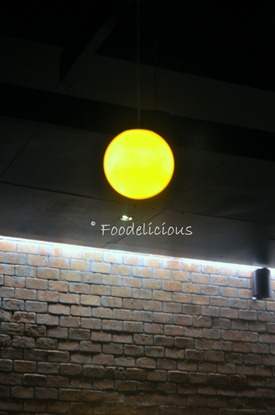
The restaurant is nestled at the extreme end of the mall surrounded by greenery. It can be approached directly without entering the mall from the entrance gate. The red glow sign of the restaurant looks nice indeed. We were welcomed with a warm smile by the staff and restaurant manager Mr. Rajesh Kumar and were directed to sit on a table reserved for the bloggers.
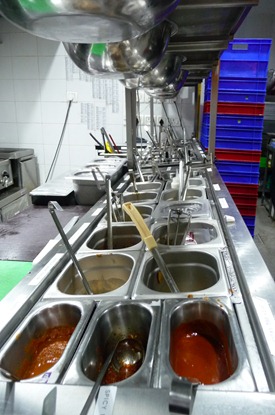
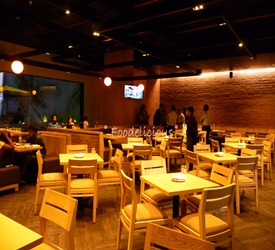
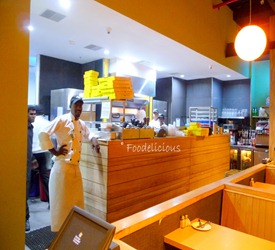
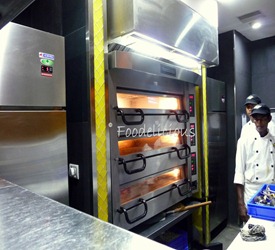
Once you enter the restaurant you feel happy to look at a large spacious restaurant with a neat open kitchen. It has a seating capacity of almost 100 which will go up to 138 people once the patio becomes functional. We had reached on time and were the first to reach. We were joined by Mr. S. Krishnamurthy, the PR, who told us that the restaurant is owned by the same brand who runs Pink berry and the Hard Rock Café. The Café is also getting ready for it’s launch in the city. Later on Mr. Asad who is also a PR, joined in when Deepa came along with her husband and son. It was a fun group of like minded people and I was so looking forward to the nuances of the myriad of dishes. Later on other bloggers joined in too and they all sat together in another group, the list of them can be read at the end of the post.
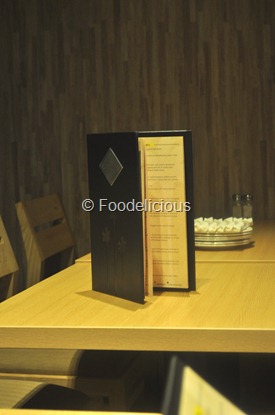
Chef Kuldeep Bharani, is the Area Kitchen Manager for Southern region and shuttles between Bangalore and Chennai. He guided us through our gastronomical journey at CPK. Chef Bharani has a vivid personality and open heartedly answered our queries. He ensured that the food was served as per our taste and their standards. During our conversations, he mentioned that the Chennai outlet was the third in the country after Mumbai and Bangalore. He also informed us that the food served in the franchised Indian restaurants has been tweaked a bit here and there to suit the Indian palate without compromising on the taste. A lot of ingredients are imported at CPK to maintain the authenticity of the preparation. He explained us the menu in detail during which we realized that the place in not only about Pizzas but they serve a lot of fusion food under various categories like Appetizers, Soups, Salads, Hearth Baked Specialties, Sandwiches, Pasta & Desserts. Also, to escape from the heat they offer a variety of Smoothies, Coolers and Mocktails.
The Chef decided to send us a mix variety of veg and non veg preparations as we had a mixed bag of people. We told him to send food of his choice. The only thing I insisted on was the Cucumber drink and Deepa wanted Shaky Prawns and a Banana Chocolate Cake, as dessert.
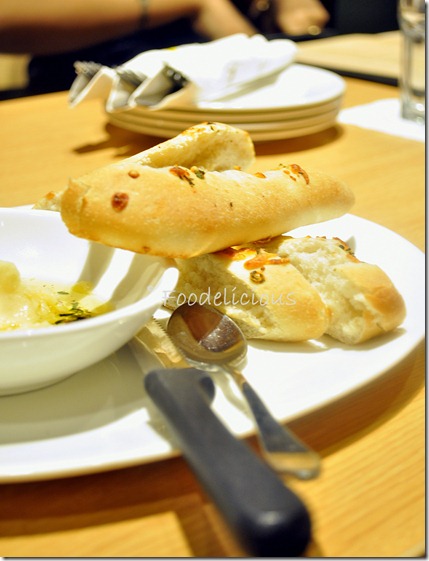
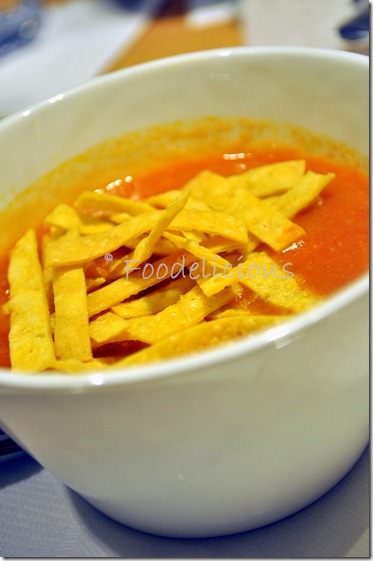
We started off with soups Sedona Tortilla (veg soup) and Chicken Wild Rice Chowder along with which came the Mediterranean Focaccia. I and S had the Sedona Tortilla Soup, which was a thick tomato soup with sweet corn, Mexican peppers, spices and garnished with fried strips of Tortilla while Deepa and her husband had the Chicken soup. Our soup was thick and nice with fresh flavors but I did not like the taste of fried Tortilla used as the garnish. The chips had a weird taste of fried oil. The Focaccia had become dry by the time we started eating it but the Mediterranean Olive oil and Parmesan dip was nice and the bread tasted well with it. The chicken soup was not like by the non veg lovers.
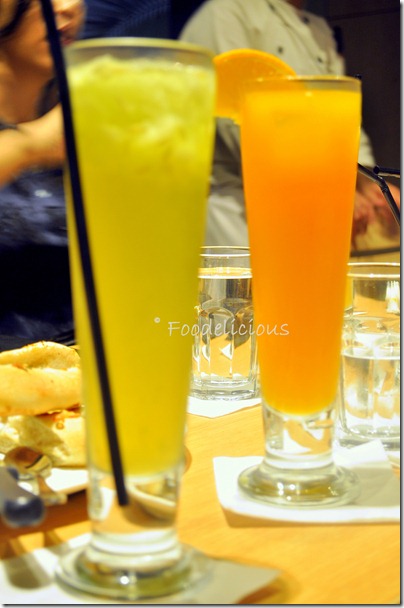
Around the same time we were served a variety of Mocktails; Party Punch, Summer Freeze, Cucumber Delight, Berry Mango Smoothie. I had a Cucumber delight which was a refreshing drink; a blend of green tea muddled with cucumber and green apple flavoring. I will highly recommend this drink. S, had a passion cooler which was a mix of Orange, Mango & Pineapple Juices blended with Banana, poured over ice. S liked that but he loved the Cucumber delight.
The prices of the preparation though a little high but the size of the helping compensates for that. The pasta were around INR 375-420 and the sandwiches ranged in INR 370-420. We were requesting Chef to give us smaller portions as we were unable to finish them and were not happy to see the food go waste but he insisted that he could not change the portion size.
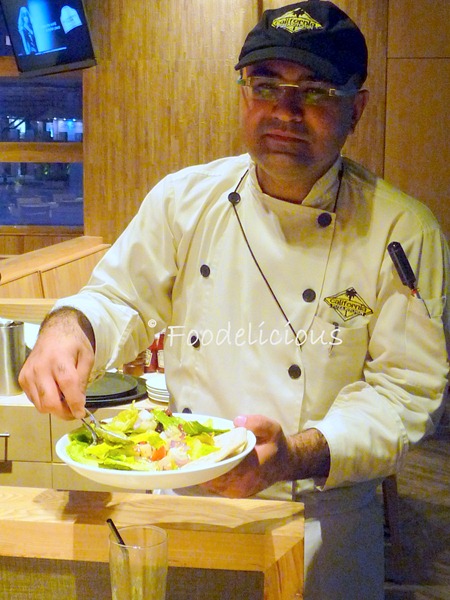
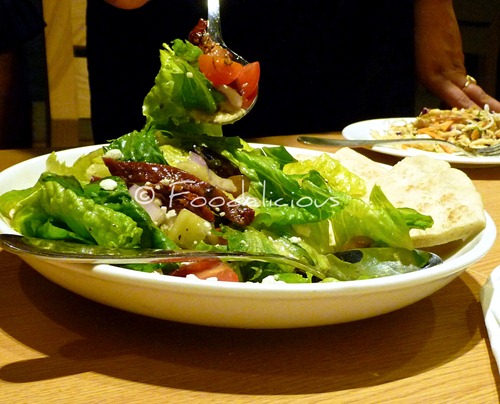
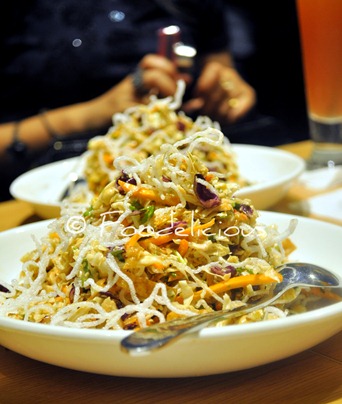
After the soup and bread came in two salads; Mediterranean Salad and Thai Crunch Salad. Both the salads were fresh and crunchy. The Mediterranean salad had hand torn leafy mixed local greens tossed with cherry tomatoes, cucumbers, red onions, Kalamata and black olives, all mixed with CPK’s home made lemon herb dressing. The salad was served with hummus topped with crumbled feta cheese and pita bread. The hummus was tasty but the Pita was overly baked and dry. The Thai salad had a lime-cilantro and peanut dressing and the salad was topped with fried rice noodles. I loved the salad and I added an extra dash of lime in my plate to get the zing.
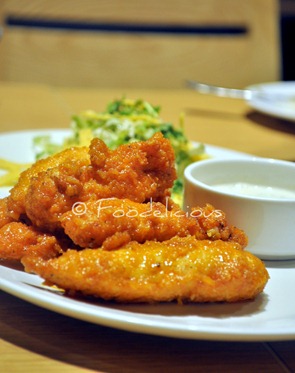
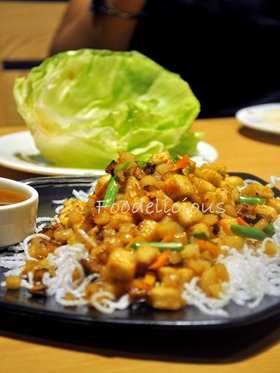
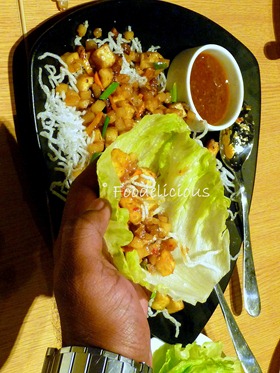
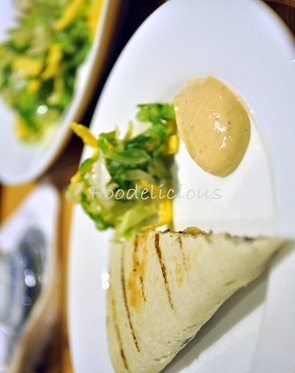
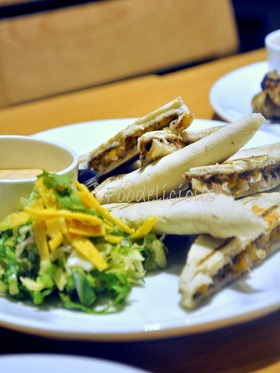
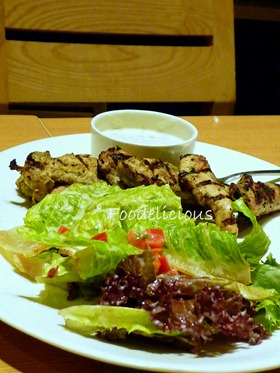
A variety of appetizers both veg and non veg were served later, namely the Charqui Grilled Chicken, Spicy Chicken Supreme, Lettuce Wrap, Black Bean Quesadilla. I had the Lettuce Wrap and Black Bean Quesadilla both of which were nice but I liked the Quesadilla more than the wrap as the wrap had a sweet spicy taste which was more on the sweet side. The restaurant manager showed us how to wrap the Lettuce. The Grilled Chicken was slightly burnt and it was pointed out to the Chef but the Chicken Supreme as the name suggests was extremely good and was declared the Star dish by all those who tried it. After eating so much I was already feeling full but I knew I still had an array of dishes to taste…
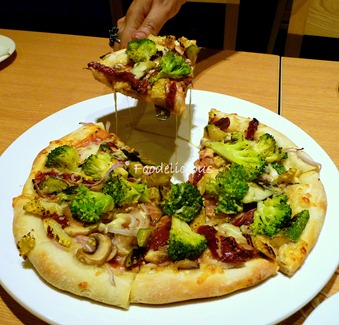
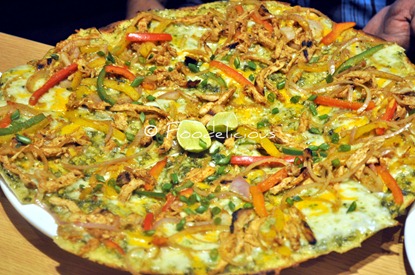
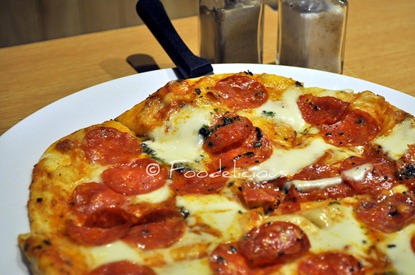
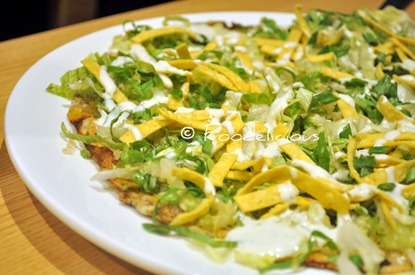
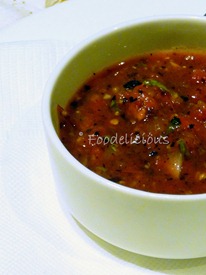
The Pizza which is the key feature of the restaurant is offered in two sizes 9” & 14”. The Pizzas are available under three categories; California Fusion & Originals, Local Favorites and Traditional Italian Style. Also, a multigrain crust Pizza is available. The Chef announced that he would send 4 varieties of Pizza for us to taste; two veg and two non veg. The veg ones which I tasted were California Pizza and Tostada pizza and for the non veg lovers they offered Chicken Fajita Pizza and Pepperoni Supreme. The kid loved the chicken pizza and Deepa’s husband declared the Pepperoni Pizza the best of all the variety. The California Pizza is perfect for people on diet as the crust is made with multigrain and is loaded with veggies like broccoli, zucchini and baby corn and is not very cheesy. The Tostada is a hot and cold pizza with a thin crust topped with lettuce, crispy tortilla chips, ranch dressing, cheddar and Fontina cheese served with fire roasted tomato salsa.
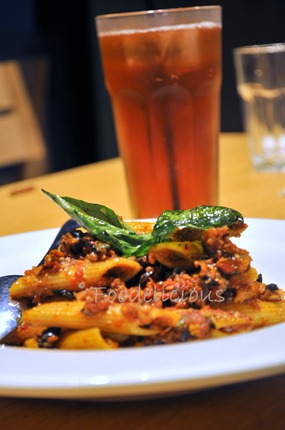
The Chef wanted to serve us three kinds of pasta preparations but we decided to taste only one. Also came in more coolers; Raspberry Italian Soda , Peach Ice Tea and Strawberry Smoothie. We tasted a California Putanesca Penne Pasta. The pasta was very nice with fresh flavor of capers, tomato & olives in it, I also sipped in the Raspberry soda which was very refreshing. Finally came in the Shaky Prawns for which Deepa had waited long but the prawns disappointed her. ‘They were too coated’ was her description..
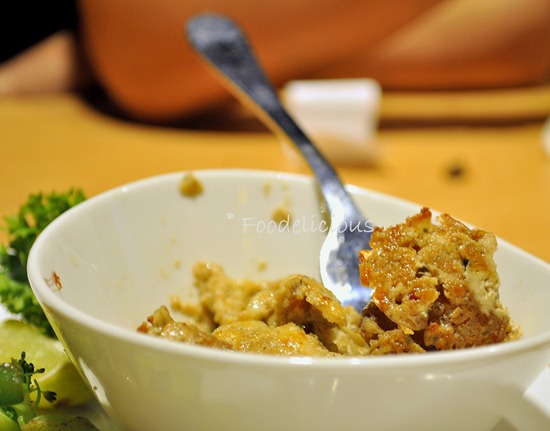
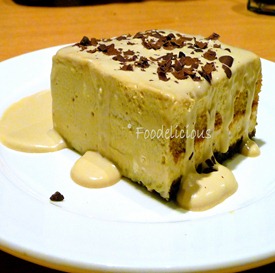
Like in a fashion show the show stopper comes at the last and steals the show similarly, I thought the desserts were the highlight of the restaurant. They came in last and stole the show. We had a Tiramisu, Red Velvet Cake with cream cheese frosting and a Chocolate Banana cake. All of them were winners. The salty cream cheese frosting over the red cake was worth licking.
The over all experience at the restaurant was satisfactory and worth recommending people. This place is worth a try for people who like to experiment with food and enjoy fusion food. It’s a neat place for spending few hours dining with friends and family in a comforting atmosphere.
Here’s the list of people who attended the food tasting event..
Wasim Aarti Krishnakumar
Fazil
Avanthi
Deepasri
Karthik

Comments