Pâte de fruits Clémentine à la Cardamome

Dans la série des petites choses à offrir à ses proches. Je pense qu’avec ces pâtes de fruits, vous aurez bizarrement de nouveaux amis…
Pour la technique, je me suis très forte inspirée de la recette de Sébastien Serveau dans l’excellent petit ouvrage « Confiseries » dans les « Leçons de l’Ecole de Cuisine d’Alain Ducasse ». J’ai complété mes lectures sur la pâte de fruits avec le sublime ouvrage de Pierre Hermé, Ph10. Je vous livre donc ma version issue de toutes ces lectures. Évidemment, je n’ai pas pu résister à l’idée de faire une alliance fruits épices : des clémentines, très Noël, parfumées avec de la magnifique cardamome rapportée de mon dernier voyage dans le Kerala. J’ai renforcé le goût du fruit en ajoutant les zestes d’une partie des clémentines.
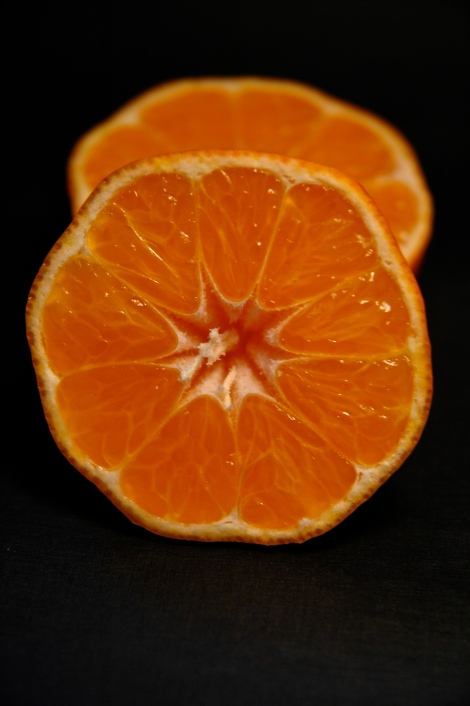
Ingrédients
150 g de jus de clémentine
100 g de pulpe de clémentine
Zestes de 2 clémentines
3 gousses de cardamome
175 g de sucre + 25 g
50 g de glucose
8 g de pectine
2 cuillerées à soupe de jus de citron
Zestez les clémentines. Pressez les clémentines pour obtenir le jus. Pelez à vif les clémentines et coupez les quartiers grossièrement.
Enlevez la peau de la cardamome et écrasez-la finement dans un mortier.
Mélangez la pectine et les 25 g de sucre dans un petit saladier.
Dans une casserole , faites chauffer le sucre, le zeste, le jus et la pulpe de clémentine. Dès que le mélange commence à chauffer, ajoutez le mélange sucre-pectine en fruits tout en fouettant.
Faites chauffer à feu vif tout en fouettant jusqu’à que le mélange atteigne 106° au thermomètre à sucre. Incorporez le jus de citron.
Versez immédiatement la préparation dans un carré en inox posé sur un papier sulfurisé. On peut aussi mouler ces pâtes de fruits dans des petits moules en silicone.
Laissez refroidir 2h à température ambiante. Si vous avez utilisé un carré en inox, découpez les pâtes de fruits avec un couteau humidifié. Si vous avez utilisé des moules en silicone, démoulez les pâtes de fruits.
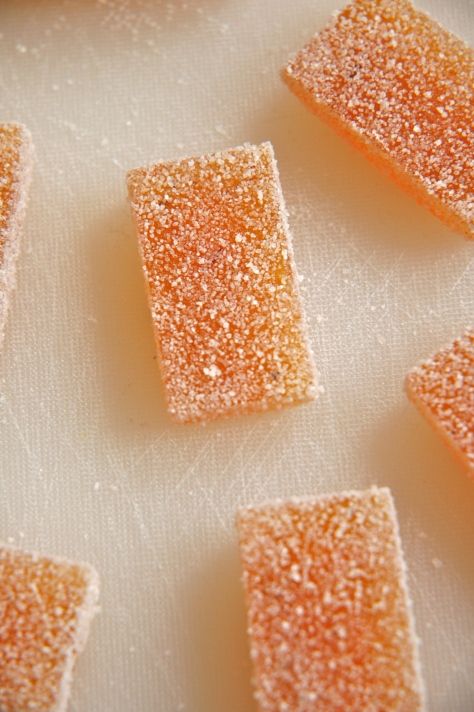
Versez du sucre semoule dans un saladier et plongez-y les pâtes de fruits.
Conservez les pâtes de fruits dans une boîte en fer blanc.


Comments