Endive: these simple tips may just change your mind about this vegetable
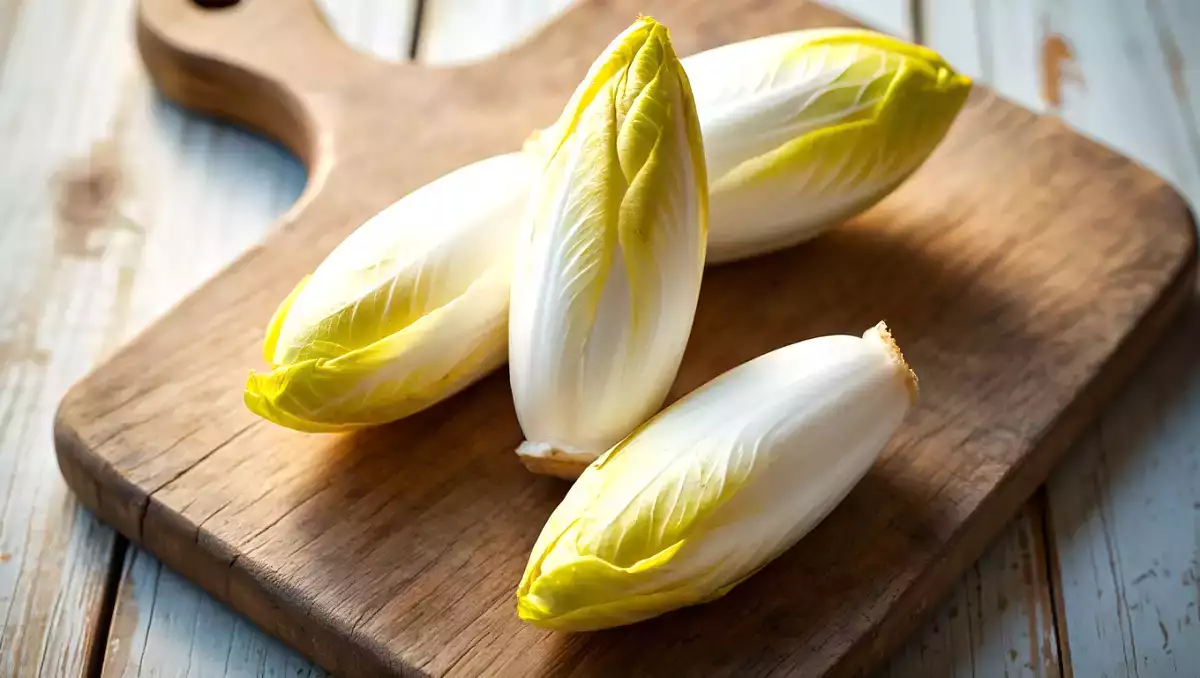
Endives don’t exactly put everyone in agreement. For some they’re too bitter, for others they’re bland and boring. And yet, when you pick them well and prepare them right, they can actually be a real pleasure at the table.
Choosing good endives: where it all starts
It all begins at the store. A fresh endive is easy to spot when you know what to look for:
- It should feel very firm, with tight, compact leaves. If the leaves bend without snapping, leave it there. A good endive snaps cleanly when you try to bend it.
- The color is a great clue: the leaves should be nice and white, with maybe a hint of yellow or purple at the tips depending on the variety. If it’s turning clearly green, it will almost certainly taste more bitter.
- Take a look at the base as well. It should be bright white. If it’s brownish or pinkish, it usually means it’s been cut for a while and has lost freshness.
Why are endives bitter?
Endive’s bitterness is natural. It comes from compounds in the plant that develop with time, light exposure and the way it’s stored.
That’s why some endives taste milder than others. The good news: you can soften that bitterness with a few easy tricks, without stripping away the vegetable’s character.
Go for smaller endives
First easy move: pick smaller heads.
Larger endives have had more time to develop bitterness. The smaller ones are usually more tender and milder, especially when eaten raw.
Removing the core: a key gesture
This is probably the best-known tip, and it works.
The core at the base of the endive holds a big part of the bitterness. Cutting it out with a small knife instantly softens the taste.
If you’re making a salad, you can also remove the outermost leaves, which are often more bitter than the heart.
Storing endives so they don’t turn green
Endives hate light. Too much exposure and they start to turn green… and more bitter.
To store them properly:
- keep them in the fridge,
- protected from light,
- ideally wrapped in paper or in the produce drawer, not in tight plastic.
Well-stored endives stay fresher, crisper and milder longer.
Raw or cooked: what to choose?
If you’re sensitive to bitterness, raw endive is often the mildest option, especially in salads. Paired with the right ingredients, it can be really delicious.
To balance the flavor, think sweet pairings:
- fresh or dried fruit
- candied fruit
- a touch of honey or maple syrup
- nuts, hazelnuts or almonds
These combinations naturally tone down the bitterness.
And if you prefer it cooked?
Cooked endive can sometimes taste more bitter, especially if it’s cooked for too long.
To soften it:
- add a pinch of sugar or a drizzle of honey at the start of cooking
- or use a little milk, which rounds out the flavor
- avoid very long, aggressive cooking
Gentle, controlled cooking gives you soft, melting endive without too much bitterness.
Endive, a more multifunction vegetable than you might think
Endive is often stuck in two roles: winter salad or endive-and-ham gratin. But it deserves a bigger repertoire.
You can use it:
- in mixed salads
- in quick stir-fries
- roasted in the oven
- slowly braised
- or finely shredded and eaten raw
With the right techniques, it becomes surprisingly easy to work with.
Endive is not a “difficult” vegetable
When you choose it well, store it properly and prepare it with a few smart gestures, most of the harsh bitterness fades and a real freshness comes through.
With these simple tips, there’s a good chance you’ll see endives differently… and maybe even feel like bringing them to the table a lot more often.
 Adèle Peyches
Comments