Everyday foods that look cheap but quietly blow your monthly grocery budget: how to spot them
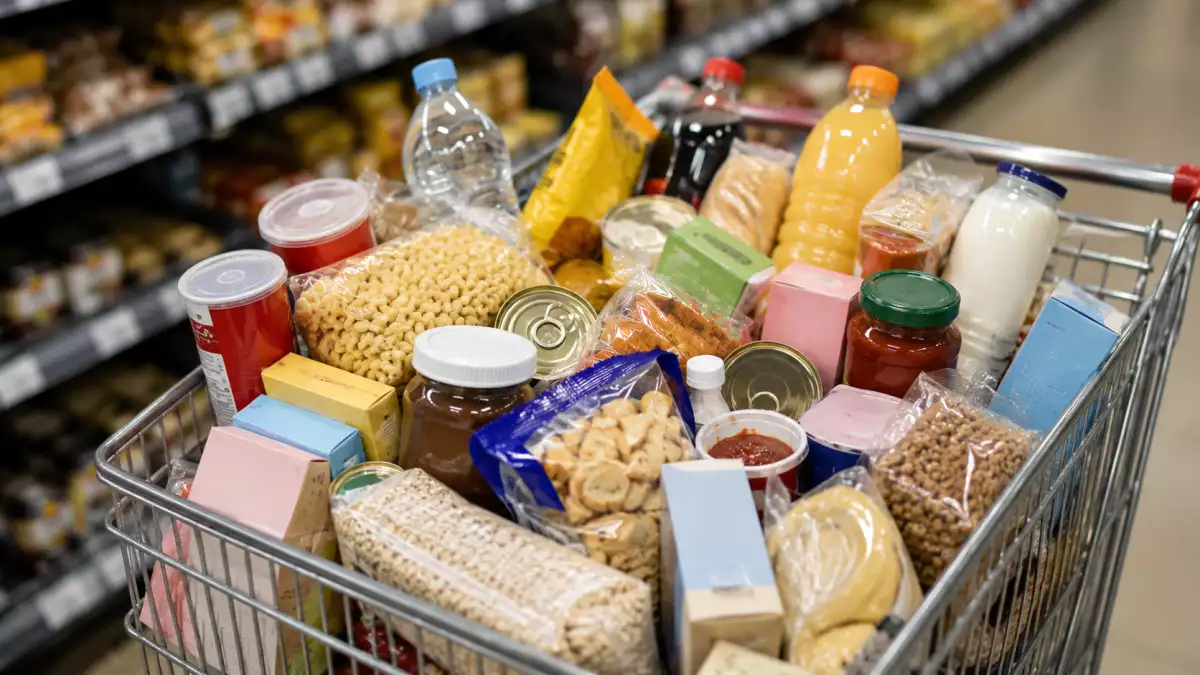
When grocery shopping, it is natural to look for the cheapest products. After all, who does not like saving a few dollars at the supermarket?
The problem is that the price on the shelf does not always tell the whole story. Some foods seem affordable at first, but end up costing more over the month because of waste, low satiety, or the need to buy them more often.
Small choices repeated week after week can have a much bigger impact on the grocery budget than many people realize.
1. Juices and sugary drinks
One bottle may seem inexpensive, but it rarely lasts very long.
These drinks also do not really help you feel full, which means you still need meals and snacks throughout the day.
When added up over a month, spending on soda, fruit drinks, sweet teas, and other sugary beverages can become a significant part of the grocery bill.
2. Ultra-processed breakfast cereals
Many boxes look like a good deal, especially when they are on sale.
However, many of these cereals contain a lot of sugar and very little fiber, which means hunger can come back quickly.
By comparison, options like oatmeal, plain yogurt, or whole-grain toast often provide better satiety and a better cost-benefit ratio.
3. Pre-cut packaged fruit
Convenience comes at a price.
Watermelon, pineapple, mango, cantaloupe, and other fruits sold already cut can cost several times more than buying the whole fruit.
They also tend to spoil faster once packaged, increasing the risk of waste.
4. Individual ready-made meals
They are practical and can help on busy days, but they often cost more per serving than meals prepared at home.
When eaten regularly, they can add up to hundreds of extra dollars over the course of a year.
In many cases, cooking a larger batch and freezing portions turns out to be a much more economical alternative.
5. Packaged snacks
Chips, cookies, bars, crackers, and similar products may seem cheap when you look at one package at a time.
But because they are eaten quickly, they need to be replaced often.
By the end of the month, the total can be surprisingly high.
6. Store-bought sauces and dressings
Mayonnaise, salad dressings, specialty sauces, marinades, and ready-made seasonings may look like small expenses.
However, many of them can be replaced with simple homemade versions using ingredients you may already have in the kitchen.
Besides saving money, this also gives you more control over what goes into them.
7. Buying small amounts of bread every day
Buying bread daily can seem like a tiny expense.
But compared with longer-lasting options or freezing fresh bread in portions, the monthly cost can be higher.
Frequent bakery or grocery runs can also increase the chances of impulse purchases.
The real cost is in the habits
The cheapest food is not always the one with the lowest price.
To evaluate a purchase more wisely, it is worth considering:
- how long the product lasts
- how many meals it helps prepare
- how filling it is
- the risk of waste
- how often it needs to be replaced
Very often, foods that seem more expensive at first offer better value and can actually save money in the household budget.
Small changes that make a difference
You do not need to eliminate all convenience foods or completely transform your eating routine.
But identifying the products that quietly drain your grocery budget can help reduce expenses without lowering the quality of your meals.
By the end of the month, the difference is often much bigger than it looked on the supermarket shelf.
 Mirella Mendonça
Comments