How can I ripen an avocado faster? Here are some simple tips to help you stop waiting for days
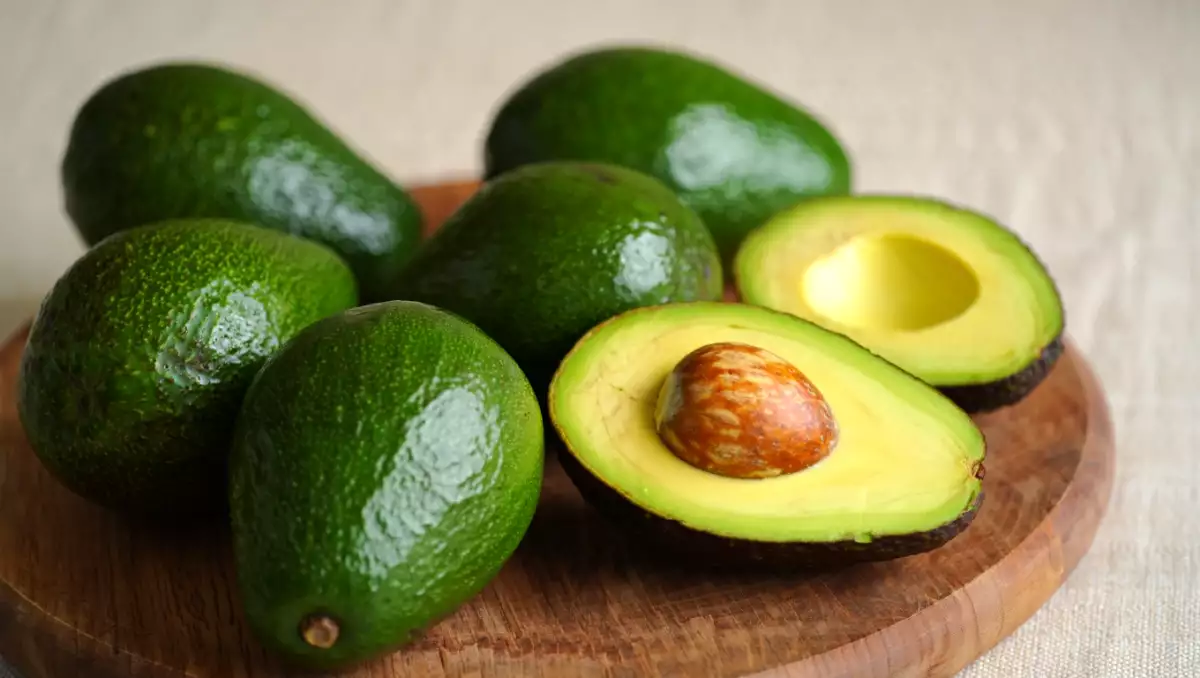
You've bought a firm avocado, with the idea of preparing a salad, toast or guacamole... and when you open it, it's impossible: it's still hard as a rock. This often happens, as avocados are generally picked before they are ripe, then ripen slowly after harvesting.
Fortunately, there are several simple tricks to speed up the process and enjoy a perfectly ripe avocado without waiting days. Here are the most effective methods ;)
Why do avocados ripen slowly?
Unlike some fruits, avocados are harvested before they are ripe. They complete their ripening process once picked, thanks in part to a natural gas called ethylene, produced by the fruit itself.
This gas acts as a trigger: it activates the chemical reactions that soften the flesh and develop the aromas.
The more ethylene a fruit is exposed to, the faster it ripens.
It is precisely this principle that explains a number of tricks used in the kitchen to speed up avocado ripening.
The simplest trick: the paper bag
The best-known and most effective method is to place the avocado in a paper bag.
Simply :
place the avocado in a paper bag
- lightly seal the bag
- leave at room temperature
The bag retains the ethylene produced by the fruit, which naturally accelerates ripening.
As a result, the avocado can ripen in 24 to 48 hours instead of several days.
The banana or apple trick
To speed things up even further, you can place the avocado in a paper bag with another fruit.
Bananas and apples produce a lot of ethylene, which speeds up the process even more.
Instructions for use:
- place the avocado in a paper bag
- add a banana or apple
- leave at room temperature
This combination can ripen an avocado in just one day.
This technique is widely used in the kitchen, as it remains natural and does not alter the taste of the fruit.
Can you ripen an avocado in the oven?
There's a trick in the book that involves wrapping the avocado in aluminum foil and placing it in the oven for a few minutes.
The idea is that the heat will soften the flesh.
In practice, this method works badly: it makes the avocado softer, but doesn't really reproduce the natural ripening process. The fruit may lose taste and texture.
So this technique is best avoided if you want to retain the full flavor of the avocado.
How can you tell if an avocado is ripe?
Before using, a few simple steps can be taken to check its ripeness.
An avocado ready for consumption should :
- be slightly flexible under finger pressure
- not be too soft
- have an intact skin
Another trick is to remove the stalk (the little knob at the top of the fruit).
- If it comes off easily and the flesh is green underneath, the avocado is ripe.
- If the color is brown, it's probably overripe.
A perfectly ripe avocado should be supple, but not squashed.
What if the avocado is already cut but still hard?
Sometimes an avocado is cut too early and the flesh is still firm.
In this case, you can :
- put the two halves back together
- keep the stone
- wrap the fruit in cling film
- leave at room temperature
This may help the ripening process to continue, even if the result is less effective than with a whole avocado.
What if the avocado is ripe but you don't want to eat it right away?
In this case, the best solution is to slow down the ripening process.
Simply place the avocado in the refrigerator.
The cold slows down the chemical reactions responsible for ripening, allowing you to keep a ripe avocado for a further two or three days.
If your avocado is still too hard, the simplest solution is to :
- place in a paper bag at room temperature
- add a banana or apple to accelerate ripening
This natural method generally produces a ripe avocado in 24 to 48 hours, without altering its taste or texture.
So there's no need to wait forever... and you can quickly enjoy this creamy fruit in your favorite recipes.
 Adèle Peyches
Comments