15 chefs' tricks to make dishes much tastier (the secret is in small ingredients)
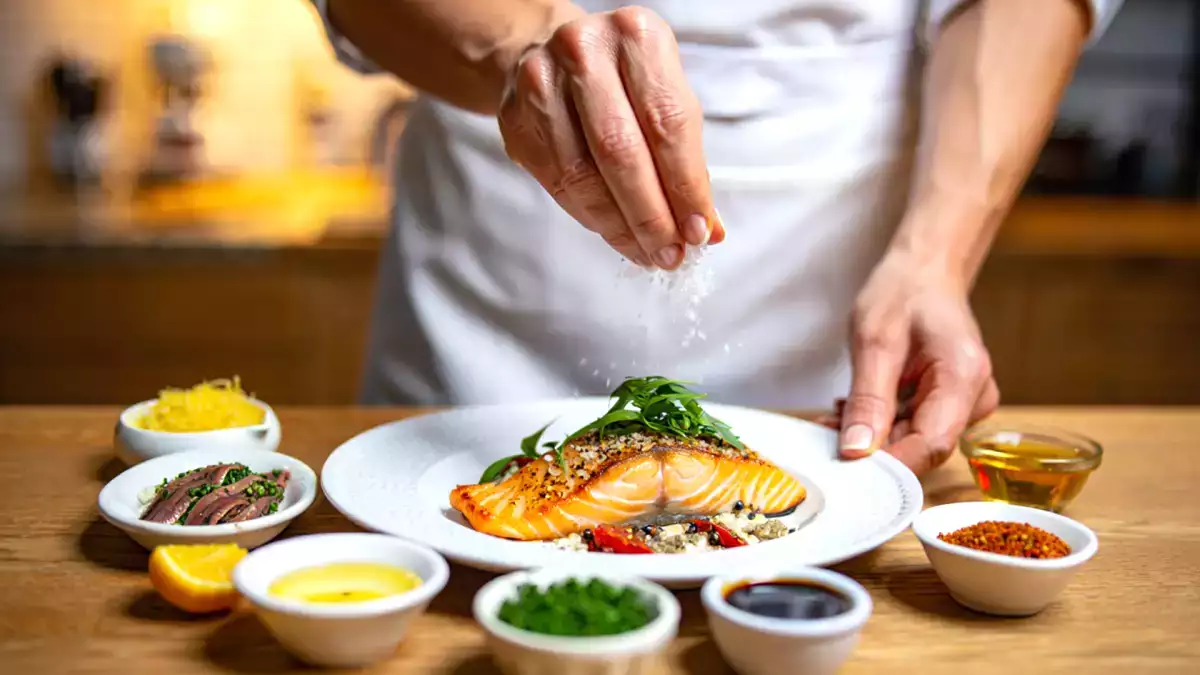
Many of the recipes we taste in restaurants seem to have a deeper, more balanced and surprising flavor than those prepared at home. It is not magic or even just a matter of technique: often the secret lies in small ingredients added in minute quantities that can completely transform the end result.
Professional chefs often speak of "bridge ingredients," that is, elements that enhance the flavors already present in the dish. According to chef and science popularizer Harold McGee, author of the celebrated On Food and Cooking, even a micro-addition of acidity, fat or umami can amplify the perception of taste. Many of these ingredients are already in your kitchen. Here are 15 tricks used in professional kitchens that you can apply right away to give your dishes a boost.
1. A pinch of sugar in savory recipes
Many chefs add a hint of sugar in tomato sauces, gravies, and even soups. It is not used to sweeten, but to balance the acidity and round out the flavor.
2. Vinegar to "awaken" flavors
A drop of wine or apple cider vinegar can work wonders. The acidity stimulates taste buds and makes dishes come alive. According to the Culinary Institute of America, a small acid component is essential to create balance in dishes.
3. Cold butter at the end of cooking
Many chefs whip sauces and risottos with a small piece of cold butter at the end. This technique, called monter au beurre, makes for a creamier, velvety texture.
4. Soy sauce in sauces
It may sound strange, but a few drops of soy sauce in ragouts or meat sauces increases the umami component, that is, the savory taste that makes dishes more intense.
5. Lemon peel to give freshness
Grated lemon zest is often used to ignite flavors. It works great on fish, pasta, vegetables and even soups.
6. Parmesan cheese in soups
An old trick of Italian cooking is to add parmesan rind to soups while cooking. It slowly releases flavors and makes the broth richer.
7. A pinch of cocoa in savory dishes
Many chefs add a hint of bitter cocoa in stews and ragouts. It does not make the dish sweet, but it adds depth and aromatic complexity.
8. Mustard to intensify the taste
Mustard is not just for sandwiches. A small amount in sauces or dressings helps bind flavors and give character to the dish.
9. Anchovies in stir-fries
The anchovies, dissolved in the stir-fry, disappear completely but amplify the flavor. It is one of the secrets of Mediterranean cooking.
10. Pasta cooking water
This is not a random ingredient: the starch-rich water helps bind sauces and makes dishes creamier.
11. A drizzle of honey in savory dishes
A small touch of honey can round out the flavors of vinaigrettes, marinades, and sauces.
12. Fresh herbs at the end
Many cooks add parsley, basil or thyme only at the end of cooking. This way the aromas remain fresh and intense.
13. Raw extra virgin oil
A drizzle of extra virgin olive oil at the end of preparation can completely change the flavor profile of a dish.
14. Milk in scrambled eggs
According to several chefs, adding a tablespoon of milk or cream into scrambled eggs makes them softer and creamier.
15. Extra salt, but at the right time
The key is not just the amount, but when to add it. Salting several times during preparation allows you to build a more balanced taste.
The real secret of chefs
Many culinary professionals agree on one point: it is not just the ingredients that make the difference, but the balance between flavors. As chef and author Samin Nosrat, famous for the book Salt, Fat, Acid, Heat, explains, every perfect dish comes from the harmony between salt, fat, acidity and heat.
That's why it often only takes small, invisible details to turn a simple recipe into something memorable.
If you start experimenting with these ingredients in your daily preparations, you will find that even the simplest dishes can completely change character. Sometimes, the real secret of cooking is not complicating recipes; it's knowing what to add at the right time.
 Daniele Mainieri
Comments