Plastic wrap is not a good idea: here's why you shouldn't use it directly on food anymore
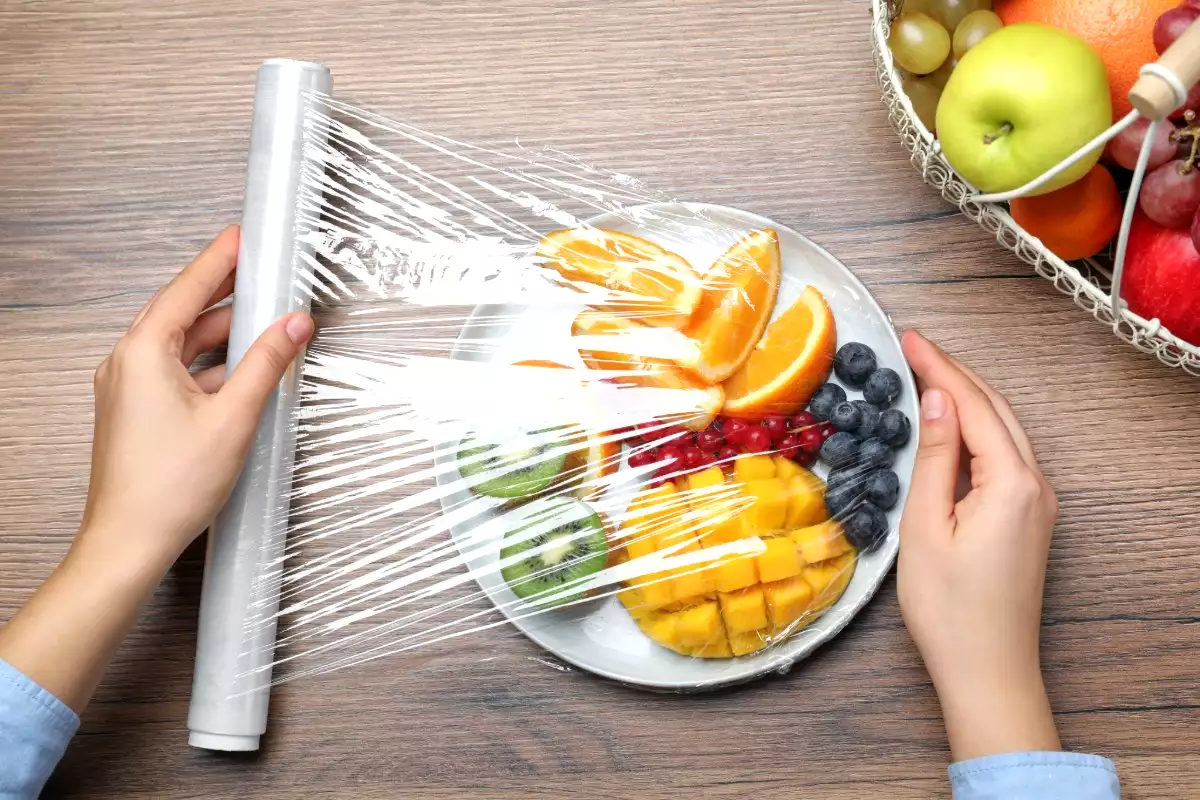
We stretch it over a dish, smooth the edges, and pop it in the fridge without a second thought. In direct contact with fatty foods or sauces, this PVC film can, however, leach molecules like phthalates, warn microbiologist Christophe Mercier-Thellier and toxicologist Stéphane Firmin. Enough to rethink a daily habit with real health implications. Which options should you favor and what precautions should you take to store food safely, from glass jars to aluminum foil.
The ubiquity of plastic wrap in our kitchens
In our fridges and on our shelves, plastic wrap has established itself as a handy, inexpensive tool that’s easy to use. We stretch it over dishes, bowls, or directly onto food to keep out air and odors.
Yet that convenience comes with health caveats, especially in direct contact with certain foods. Several experts warn of risks worth taking seriously and urge us to rethink our everyday habits.
Plastic wrap, a "horror" for our health
Christophe Mercier-Thellier, microbiologist and hygiene specialist, bluntly calls it “a horror.” The issue lies in its composition: many wraps are made of PVC and may contain phthalates, substances recognized as endocrine disruptors. The risk comes from these molecules migrating into foods they touch.
Fatty foods are the most vulnerable, because lipids encourage the extraction and migration of plastic compounds. A loaf or baguette wrapped briefly isn’t the same concern as cheese, a rich sauce, or a hot dish covered with wrap: in those cases, chemical migration can increase.
Experts’ warnings
Stéphane Firmin, a toxicologist and academic, echoes these concerns. Even when plastics are approved for food contact, misuse or high heat can release unwanted particles. Putting a dish covered with wrap in the microwave particularly increases the risk of exposure.
He also highlights cumulative exposure: each use may transfer only tiny amounts, but repeated over time they add up. Hence the case for adopting more cautious, better-suited practices.
What alternatives to protect our food?
It’s easy to skip the wrap by opting for reusable, safe solutions without sacrificing convenience:
- Glass jars: ideal for storing leftovers, sauces, and prepped foods, with no contact with plastics.
- Reusable lids made of food-grade silicone: fit a wide range of bowls and dishes.
- Aluminum foil: use sparingly, but handy for occasional needs—and never in the microwave.
At a minimum, following the instructions on plastic packaging is essential: avoid heating, prolonged contact with hot or very fatty foods, and check compatibility with the microwave. Small changes in how you use it already reduce the risks.
Let’s rethink our habits
A few tweaks are enough: opt for durable containers, limit direct contact between wrap and sensitive foods, and save it for cases where it truly fits. Less plastic touching your food means protecting your health while reducing your impact on the environment.
 Vincent Sabourdy
I make the best crêpes on the street.
I love accessible recipes, practical advice, and culinary news.
My goal: to offer the best possible culinary website to make cooking a pleasant and shared experience.
Comments