Aluminum foil: we're all using it wrong—here's the right way (and it will surprise you!)
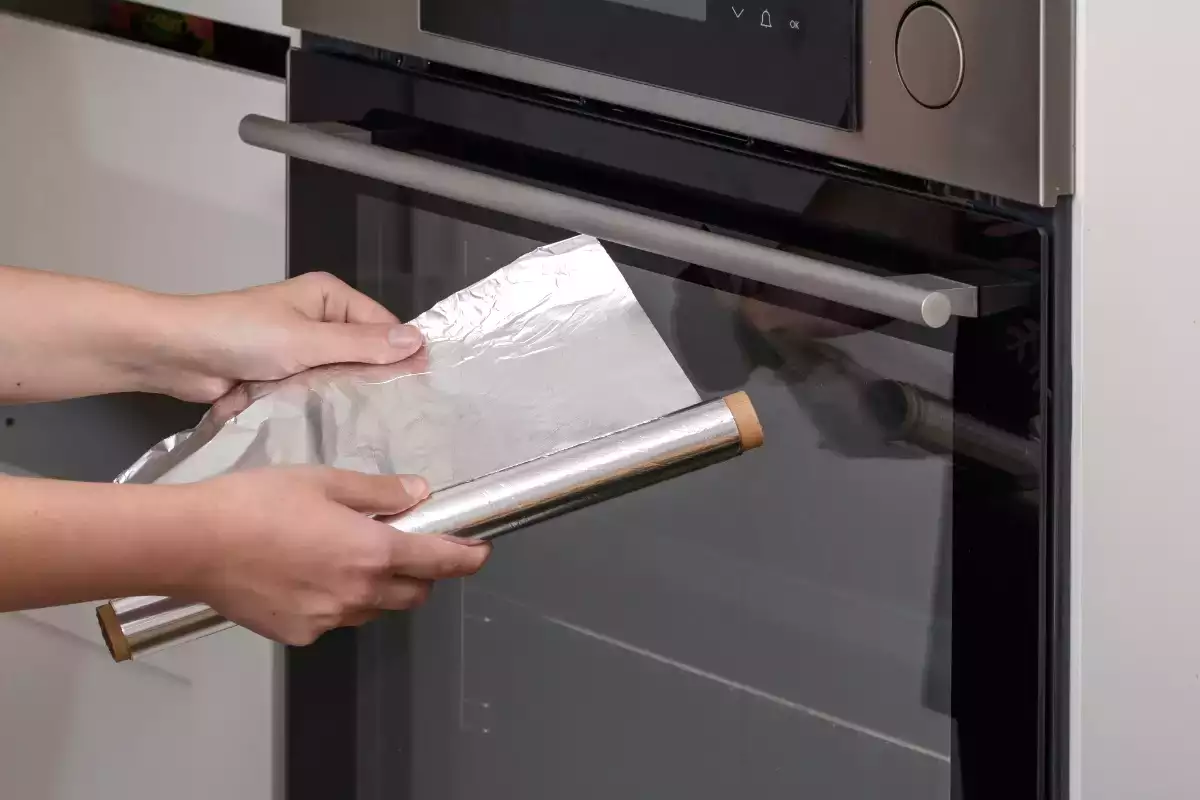
We rip it off the roll on autopilot for anything and everything in the kitchen, without giving its two sides a second thought. Between shiny and dull, one reflects heat, the other helps keep things cool—a small detail that can make all the difference for a still-steaming quiche Lorraine or an apple tart served at the right temperature. That two-sided finish isn’t a manufacturing quirk, and a few habits—especially with the microwave and the oven—are worth correcting. Time to set the record straight on everyday use, far from the slapdash hacks doing the rounds on TikTok.
A kitchen staple—often misused
In almost every kitchen, a roll of aluminum foil sits on a shelf or in a drawer. Whether you’re covering a quiche Lorraine or storing an apple tart, it seems like the magic accessory to protect our dishes. Many, however, don’t really know how it works or where its limits lie: its two sides come from the rolling process, and other factors—like the type of cooking, the nature of the food, or how airtight the wrapping is—matter more than the foil’s appearance.
Shiny side or dull: a choice that nudges temperature
The two sides come from a process where two sheets are rolled together; one comes out more shiny, the other more dull. Their ability to reflect thermal radiation differs slightly, but in the kitchen, heat transfers mostly by conduction and convection, making the gap negligible day to day.
To squeeze the most from that slight difference: orient the shiny side toward the heat source (grill, coals) to reflect a bit more radiation, or toward the inside of a hot wrap to very slightly limit radiative losses. For cold storage, orientation barely matters; the key is to chill food quickly and ensure a tight seal.
Watch out for common mistakes!
Wrapping at random isn’t the main issue; the pitfalls mostly come from the appliances and the food itself. In the microwave, aluminum can cause sparks and electrical arcing, especially if the foil is crumpled, close to the walls, or forms sharp points: best avoided. In the oven, don’t cover the oven floor or the racks entirely (you’ll block airflow), and limit direct contact with very acidic or very salty foods at high temperatures, which can promote aluminum leaching. For frequent packets, it’s better to use parchment paper (baking parchment).
Other watch-outs: don’t let the foil touch a heating element or a flame, avoid storing vinegary/tomato preparations in aluminum for long periods, and favor an airtight wrap to limit oxidation and drying out.
Best practices to get the most from your aluminum foil
To keep it simple:
- Shiny side toward the heat source or toward the inside of a hot wrap: a modest but useful effect for radiation. Dull side has no major impact in everyday use.
- To keep food cool, orientation matters little: chill quickly, seal tightly, and refrigerate.
- Avoid aluminum in the microwave; in the oven, use it without fully covering surfaces, and prefer parchment paper for frequent packet cooking (en papillote).
With these habits, you’ll use the foil effectively while reducing risks and preserving texture and flavor.
An essential—used with care
Aluminum foil is a trusty ally for protecting, cooking, and transporting—provided you follow a few rules: use common sense about which side faces where, never in the microwave, be cautious with very acidic or very salty foods at high temperatures, and switch to parchment paper when it’s more suitable. Reusing a clean, intact sheet cuts waste and extends the usefulness of this everyday tool.
 Vincent Sabourdy
I make the best crêpes on the street.
I love accessible recipes, practical advice, and culinary news.
My goal: to offer the best possible culinary website to make cooking a pleasant and shared experience.
Comments