Backed by research: why you should get rid of damaged nonstick pans without delay
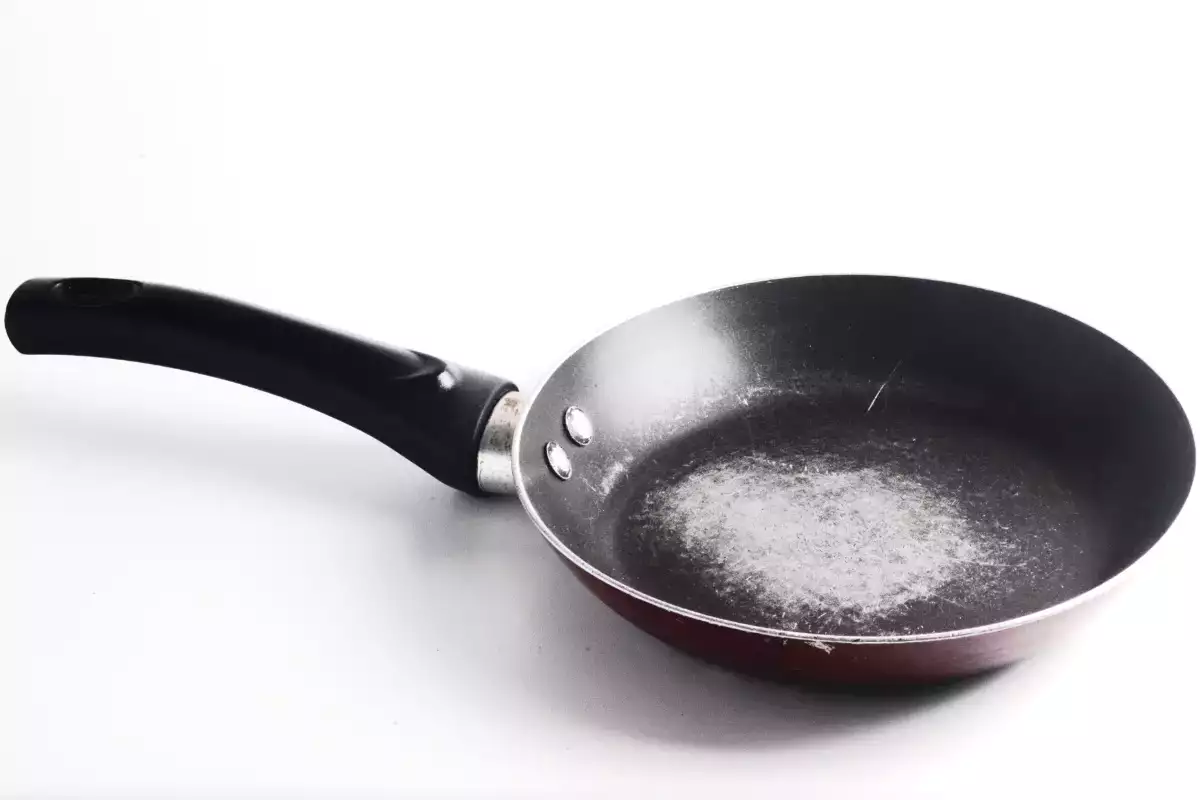
Indispensable for stick-free cooking, nonstick pans have earned pride of place in our kitchens. When their coating gets damaged, however, they can release micro- and nanoparticles that end up in food. A study from the University of Newcastle in Australia puts numbers to this phenomenon. And as 60 Millions de Consommateurs has long warned about PFOA, the cardiovascular and cancer risks linked to these particles are a reminder to spot wear and replace your pans without delay.
A kitchen staple—but not always risk-free
Nonstick pans have become indispensable allies in the kitchen. Easy to use, great for cooking without sticking and for cutting back on added fat, they’re hard to resist. Yet behind their smooth, practical surface lurks a problem: once they start to wear, they may pose an invisible danger to our health. Why? The coating—often Teflon—carries a hidden risk when it begins to break down.
When wear and tear release particles into our food
Over time, scratches or flaking can appear on these nonstick pans. While it may seem minor, a study by the University of Newcastle shows that this wear releases micro and nanoparticles of plastic into our food. These invisible particles, shed from the Teflon coating, mix in with every cook. In just 30 seconds of using a damaged pan, thousands of particles could be released.
What does the science say about these particles?
Researchers are sounding the alarm. The study indicates that when these fine particles are ingested regularly, they can accumulate in the body and cause harm. Links to serious diseases—such as cardiovascular problems and even cancers—have been raised. The debate is far from settled, but it has already led many organizations, including 60 Millions de Consommateurs, to urge extra vigilance about these potential effects.
The concerns surrounding PFOA
Another factor heightens the concern: the presence of PFOA (perfluorooctanoic acid). Although now banned in the manufacture of many utensils, this chemical once used to reinforce nonstick coatings remains a red flag. Studies have shown its harmful effects, notably on the immune and hormonal systems. If your pans are several years old, it’s worth checking their composition and considering parting ways with them.
How can you protect yourself from these risks?
To avoid exposing your health to these hazards, a few simple precautions are in order:
- Replace your pans at the first signs of wear (scratches, flaking).
- Choose models PFOA-free and certified safe by trusted labels.
- Favor alternative materials such as stainless steel or cast iron for long-term use.
- Avoid heating your nonstick pans to high temperatures, which can accelerate wear.
Getting rid of a tired pan may feel trivial, but it could make a real difference for your health and that of your loved ones. In light of these findings, don’t think twice. Take a moment to sort through your cookware… your body will thank you.
 Vincent Sabourdy
I make the best crêpes on the street.
I love accessible recipes, practical advice, and culinary news.
My goal: to offer the best possible culinary website to make cooking a pleasant and shared experience.
Comments