Baeckeoffe: Why is this Alsatian dish named after a baker's oven?
Thursday 12 November 2026 21:00 - Adèle Peyches
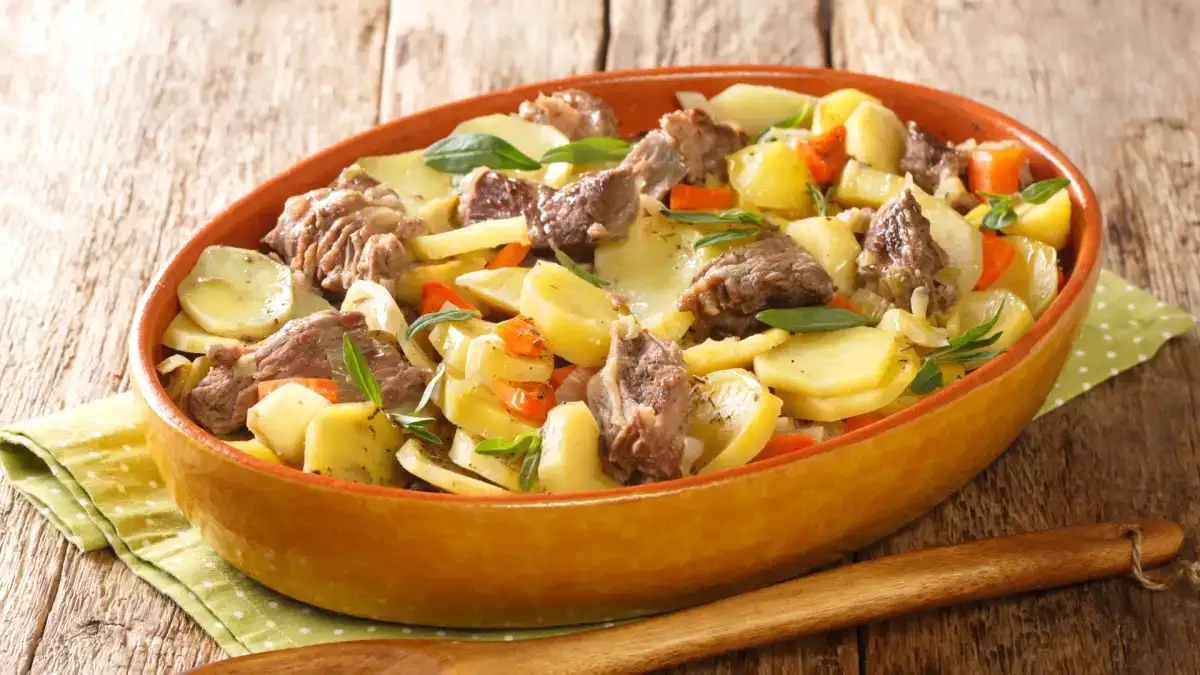
Alsatian baeckeoffe is one of those dishes that invites you to take your time. But its name often intrigues those discovering it for the first time. Why is a family meat dish named after a baker’s oven? And where does this tradition of slow cooking come from? Behind this dish lies a beautiful story of cuisine and everyday life.
A name that takes us straight to the bakery
In the Alsatian dialect, the name “baeckeoffe” refers to the baker’s oven. According to a well-known regional tradition, families would prepare their terrine and then entrust it to the baker for a long baking process in his oven once it was no longer being used for bread.
This story evokes a time when not all homes had cooking equipment suitable for large, slow-cooked dishes. The communal or professional oven made it possible to prepare a meal while other daily activities continued.
However, a distinction must be made between the tradition as recounted and the precisely documented history. The exact origins of folk recipes are difficult to pinpoint, and practices varied from village to village and family to family. But this image of the terrine left at the baker’s shop perfectly captures the spirit of the dish: a slow-cooked meal, designed to bring everyone together.
Three kinds of meat, potatoes, and plenty of sweetness
Traditional baeckeoffe often consists of three types of meat—beef, pork, and lamb—combined with potatoes, onions, and sometimes carrots or leeks. The proportions and cuts vary from family to family.
The marinade made with Alsatian white wine is also a classic part of the recipe. Bay leaves, thyme, juniper berries, and other herbs are sometimes added. This marinade infuses the meat with flavor before it is cooked in a casserole dish.
However, there are many variations. Some families use two types of meat, while others change the vegetables or herbs according to their preferences. Therefore, baeckeoffe cannot be reduced to a single, fixed recipe where every gram must be strictly adhered to in order to be allowed to use the name.
Why is the terrine so important?
A traditional baeckeoffe dish is a deep container, typically made of glazed earthenware, designed for slow cooking in the oven. Its shape allows the ingredients to be layered and helps maintain a moist environment as they cook until tender.
You can find beautiful, traditionally decorated pieces in the Alsatian pottery tradition, particularly around Soufflenheim. But if you don’t have one, an oven-safe casserole dish with a lid can be used for a homemade version.
Always check that your dish can withstand the expected temperature. Decorative pottery isn’t necessarily meant for cooking, and some earthenware dishes require special precautions against thermal shock. The beauty of the terrine should never make you forget the instructions for use.
Slow cooking rather than a complicated recipe
The charm of baeckeoffe lies mainly in the way it’s prepared in layers. Potatoes and onions are usually arranged first, followed by the marinated meats, and then topped off with vegetables and the liquid called for in the recipe. The dish is cooked covered for a long time, until it becomes tender.
In some traditions, the edge of the lid was sealed with a strip of dough to minimize evaporation during cooking. This technique adds a pleasant, slightly ceremonial touch to the moment of opening the dish, but it isn’t essential with all modern casseroles.
Cooking times vary depending on the weight of the ingredients, the size of the casserole dish, and the oven. It’s important to follow a reliable recipe and ensure that the meats are cooked through, rather than relying solely on a random cooking time.
Monday's meal—a story we often tell
A popular tradition sometimes associates baeckeoffe with Mondays, when families are said to have left their dish with the baker before heading off to work or doing laundry. The meal would then be ready after several hours of baking.
This story is part of Alsatian culinary folklore. It’s charming, but not all of its details should be presented as established historical facts. Above all, it illustrates a domestic routine in which people made use of the available time and heat to feed their families.
Today, baeckeoffe is more closely associated with convivial meals, large winter gatherings, and moments when one craves a hearty dish that doesn’t require constant supervision once it’s in the oven.
How should it be served to preserve its traditional character?
Serve the baeckeoffe directly in its casserole dish, placed on a heat-resistant serving platter. Provide a large serving spoon and let everyone help themselves to their own portion of meat, potatoes, and vegetables.
The dish is almost complete on its own. A green salad with a light vinaigrette can provide a refreshing contrast without adding a heavy side dish. As for drinks, everyone can choose according to their own preferences; there’s no need to use the exact same wine as in the marinade.
If you’re making a large batch, plan ahead for storing the leftovers: cool them quickly, place them in suitable containers, and refrigerate them without delay. A large casserole dish can retain heat in the center for a long time, so keep a close eye on it.
At its core, baeckeoffe embodies a wonderful way of cooking: you gather simple ingredients, give them time to cook, and share the meal. And when the lid is finally lifted, no one asks if the oven belonged to a baker!
 Adèle Peyches
Editorial manager who just can't wait for winter to enjoy raclette! Passionate about gastronomy and always on the lookout for new culinary gems, I first studied law before returning to my first love: the taste of good products and the joy of sharing around the table :)
Comments