Choosing a pumpkin can be tricky: 7 quick tips to tell if it’s a good one before you buy
Saturday 17 October 2026 10:00 - Daniele Mainieri
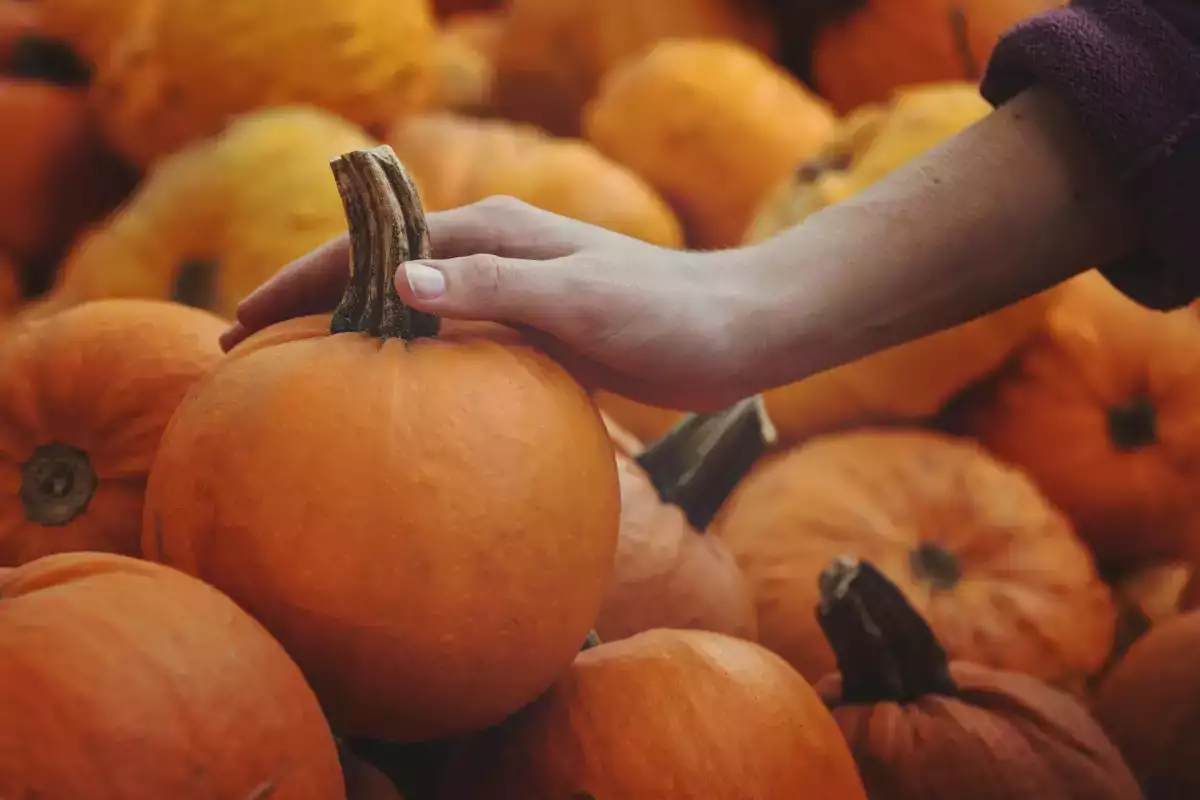
When you’re standing in front of a crate full of pumpkins, it may seem like they’re all the same, but that’s not the case. One might have firm, fragrant flesh, while another could be watery, dry, or already close to spoiling.
To tell if a pumpkin is good before buying it, don’t rely on just one detail—you need to look at several signs together. The skin, weight, stem, and texture reveal much more than the color alone. And yes, even the famous “knuckle tap” can be helpful, as long as it isn’t your only criterion.
The skin is the first thing to check: it must be intact and firm
The simplest way to check is by looking at the surface. A fresh, well-preserved pumpkin should have an intact skin, without deep cuts, damp spots, mold, or significant bruises. Gently press with your finger: if you find a spot that gives way easily—especially around a dark spot—it’s best to choose another one.
Be careful, however, not to mistake an irregular skin for a spoiled pumpkin. Some varieties are naturally bumpy, wrinkled, or dark green. Color alone doesn’t indicate whether a pumpkin is good—it must always be evaluated based on the variety. What really matters is the absence of soft spots, blemishes, and signs of rot.
Be careful, however, not to mistake an irregular skin for a spoiled pumpkin. Some varieties are naturally bumpy, wrinkled, or dark green. Color alone doesn’t indicate whether a pumpkin is good—it must always be evaluated based on the variety. What really matters is the absence of soft spots, blemishes, and signs of rot.
How much should a good pumpkin weigh?
A very useful question is: How much should a pumpkin weigh relative to its size? There’s no one-size-fits-all answer, but for pumpkins of the same size, it’s best to compare two similar ones. The one that feels heavier tends to have denser flesh that’s less dehydrated.
This comparison works best when you’re looking at pumpkins of the same variety. Comparing, for example, a compact Delica with a much larger Moscata wouldn’t make much sense. Weight is therefore an indication of texture, not an absolute guarantee.
This comparison works best when you’re looking at pumpkins of the same variety. Comparing, for example, a compact Delica with a much larger Moscata wouldn’t make much sense. Weight is therefore an indication of texture, not an absolute guarantee.
The stem can reveal a lot about ripeness
Take a close look at the stem as well. In a pumpkin that has been harvested and stored properly , the stem should be present, firmly attached, and free of rot. In well-ripened and aged pumpkins, the stem often becomes drier and woodier. If, on the other hand, it is visibly soft, damp, blackened, or surrounded by a soft spot, there may be a storage issue.
Also, avoid using the stem as a handle: it can break and leave a tear in the skin, making the pumpkin more vulnerable during storage.
Also, avoid using the stem as a handle: it can break and leave a tear in the skin, making the pumpkin more vulnerable during storage.
Does knocking on the pumpkin really work?
It’s hard to resist: just two taps with your knuckles, and you feel like you know it all. In reality, the sound the pumpkin makes is just an additional check, not a definitive verdict. A dull, solid sound is generally associated with firm flesh, but the shape, thickness of the rind, and variety can significantly alter the response.
So use the “knock-knock” method only after checking the skin, weight, and stem. If all the clues match up, you’re much more likely to take home a pumpkin in good condition.
So use the “knock-knock” method only after checking the skin, weight, and stem. If all the clues match up, you’re much more likely to take home a pumpkin in good condition.
How can you tell if a pumpkin is rotten or too old?
The signs to watch out for are more important than the desire to find the perfect pumpkin. A small, superficial scar may be harmless; a soft, damp spot, on the other hand, warrants much more attention.
It’s best to leave a pumpkin on the shelf if it has:
It’s best to leave a pumpkin on the shelf if it has:
- soft spots or areas that give way when pressed;
- mold, especially near the stem or in crevices;
- deep cuts or recent cracks;
- dark spots accompanied by moisture or an unpleasant odor;
- very wrinkled skin, unless this is a characteristic of the variety.
If the pumpkin is already cut, pay special attention to the flesh
Buying a slice is convenient, but here’s where the inspection changes. The exposed part should look firm, compact, and not dried out. The color can range from yellow to deep orange depending on the variety, so don’t necessarily go for the brightest shade.
Check the edges: if they’re dry, shriveled, or very dark, the cut may have been exposed to the air for too long. Also avoid slimy flesh, soft spots, and mold. The seeds should look fresh and moist, not covered in any unusual coatings. If you have a choice, opt for a piece that still has some of the peel attached—it provides better protection for the flesh.
Check the edges: if they’re dry, shriveled, or very dark, the cut may have been exposed to the air for too long. Also avoid slimy flesh, soft spots, and mold. The seeds should look fresh and moist, not covered in any unusual coatings. If you have a choice, opt for a piece that still has some of the peel attached—it provides better protection for the flesh.
How can you tell if a pumpkin is sweet and flavorful?
Here we need to dispel a common myth: you can’t accurately gauge sweetness just by looking at the outside. Variety, ripeness, and storage all affect the flavor. A Delica, a Mantovana, or a Hokkaido may have different characteristics than a Butternut or a Moscata, even when they’re all perfectly healthy.
To choose a flavorful pumpkin, it’s best to start by selecting the variety suited to your intended use and then apply quality checks. A well-ripened, firm, and non-dehydrated pumpkin certainly has an advantage, but there’s no external test capable of predicting its flavor with 100% accuracy.
To choose a flavorful pumpkin, it’s best to start by selecting the variety suited to your intended use and then apply quality checks. A well-ripened, firm, and non-dehydrated pumpkin certainly has an advantage, but there’s no external test capable of predicting its flavor with 100% accuracy.
How to Pick a Good Pumpkin at the Supermarket in 30 Seconds
When you’re short on time, you can boil it all down to a quick routine. First, look: no mold, deep cuts, or soft spots. Then feel it: the skin should be firm. Next, compare its weight to that of another similar pumpkin. Finally, check the stem and, if you like, do the tap test.
The most useful rule is this: don’t look for a single “magic” sign. A good choice comes from considering all the clues together. That’s exactly what allows you to identify a ripe, fresh pumpkin much more reliably.
The most useful rule is this: don’t look for a single “magic” sign. A good choice comes from considering all the clues together. That’s exactly what allows you to identify a ripe, fresh pumpkin much more reliably.
Questions to Ask Yourself Before Adding It to Your Cart
How can you tell if a pumpkin is ripe?
Pay particular attention to its texture, the condition of the skin, and the state of the stem. The sound it makes can be an additional clue, but it shouldn’t be the only test.
Is a pumpkin with green skin unripe?
Not necessarily. Some ripe varieties are naturally green or greenish-gray. Color should be evaluated based on the type of pumpkin.
Is it better to buy a whole pumpkin or one that’s already cut?
A whole pumpkin is better protected and keeps longer. A pre-cut one is convenient, but requires closer inspection of the flesh, exposed edges, and moisture levels.
Is a very large pumpkin better?
No. Size depends mainly on the variety. It’s best to evaluate quality, texture, and weight in relation to size.
Pay particular attention to its texture, the condition of the skin, and the state of the stem. The sound it makes can be an additional clue, but it shouldn’t be the only test.
Is a pumpkin with green skin unripe?
Not necessarily. Some ripe varieties are naturally green or greenish-gray. Color should be evaluated based on the type of pumpkin.
Is it better to buy a whole pumpkin or one that’s already cut?
A whole pumpkin is better protected and keeps longer. A pre-cut one is convenient, but requires closer inspection of the flesh, exposed edges, and moisture levels.
Is a very large pumpkin better?
No. Size depends mainly on the variety. It’s best to evaluate quality, texture, and weight in relation to size.
 Daniele Mainieri
Every day, I dive into the world of food and wine with curiosity, always looking for new flavours, recipes and inspiring discoveries to share. From traditional family dishes to the latest food trends, including pairings that make all the difference. I’ve been working in food & wine communication for over 10 years and I’m currently the Editorial Manager for the Italian edition of Petitchef.
Comments