Do you really need to preheat the oven for every recipe?
Thursday 5 November 2026 21:00 - Adèle Peyches
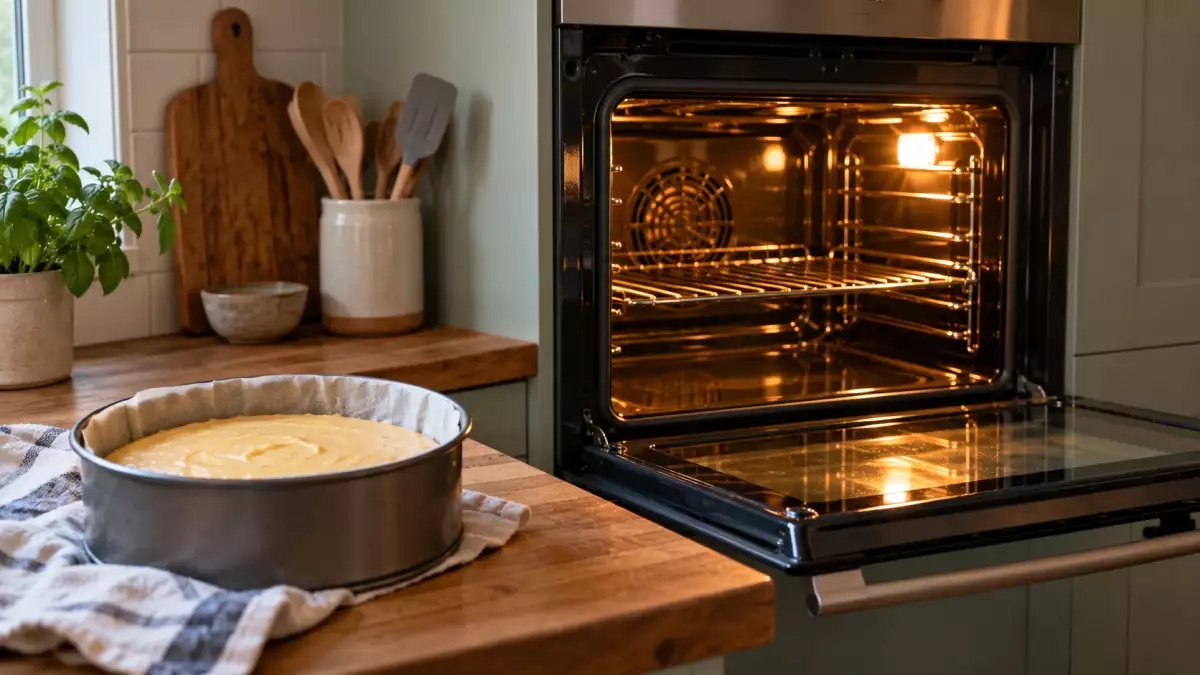
So, is it absolutely necessary to preheat the oven to make your recipes turn out right? Well, not always! For some dishes, this step is essential; for others, starting with a cold oven can work just fine.
The secret is knowing what effect the heat should have on your food. Puff pastry, homemade bread, and a gratin don’t react at all the same way! We’ll explain when to wait patiently in front of the oven and when you can adjust this step to avoid flat cakes and vegetables that refuse to brown.
Why do recipes almost always say to preheat the oven?
When a recipe calls for 350 °F/180 °C for 30 minutes, it generally assumes that the oven is already at that temperature when you put the dish in. If you start with a cold oven, the time it takes to heat up will affect the cooking time.
And since not all ovens heat up at the same rate, you can’t just add five minutes at random. Some ovens reach the desired temperature quickly; others take much longer.
Preheating therefore ensures you’re starting from known conditions. This is particularly useful when a recipe depends on rapid dough rise, precise browning, or a relatively short baking time. But that’s no reason to let the oven heat up for half an hour when you haven’t even started preparing the dish!
Cakes and pastries: It's best to preheat the oven
Are you baking a moist cake, muffins, cookies, or puff pastry? In most recipes, preheat the oven! The heat present as soon as you put the dough in the oven helps ensure proper rising, the desired texture, and even baking.
Imagine muffins made with baking powder: if the batter sits too long in an oven that’s still warm, they may not rise as expected. For puff pastry, sufficient heat helps the layers separate and ensures a beautiful golden color.
Our tip: Preheat the oven before you start mixing the ingredients, if the recipe calls for it. For our simple apple cake, it’s best to follow the specified temperature and steps rather than improvising by baking from a cold oven.
Bread and pizza: The initial temperature matters a lot
Do you like pizza with a crispy crust and a beautifully golden bottom? A preheated oven is usually essential to achieve this result. The same principle applies to many types of bread: the initial heat helps the dough rise and forms the crust.
Some recipes even recommend preheating a baking sheet or a suitable baking stone. This is helpful, but never place a cold dish directly on a scorching-hot surface: always check the instructions for your baking tools.
There are also specific bread recipes that start in a cold oven. It’s not a mistake if the method was designed that way! Just follow the instructions rather than altering a classic recipe at the last minute.
Gratins and slow-cooked dishes: starting with cold ingredients can sometimes work
Do you have a vegetable gratin already assembled in a baking dish? Some dishes can handle a gradual increase in temperature, especially if they need to cook for quite a while. However, the result may differ from what you’d expect with a preheated oven.
When starting from cold, the cooking time listed in the recipe is no longer necessarily reliable. So keep an eye on the internal temperature, the texture of the vegetables, and the color of the top. If you want a nice golden crust, the final part of the cooking process must provide enough heat.
Another important precaution: for dishes containing meat, fish, or perishable ingredients, follow safe cooking practices and ensure the center is cooked through. A still-warm oven is no shortcut to food safety.
Roasted vegetables: it all depends on the desired result
Do you love golden, crispy potatoes? Then a hot oven is usually your best friend! On a properly preheated baking sheet—if the recipe calls for it—the pieces can start to brown more quickly.
Above all, avoid overloading the baking sheet: when vegetables are piled too high, moisture builds up and they’re more likely to steam than to roast. Even a perfectly preheated oven won’t work miracles under these conditions ;-)
For certain gentle cooking methods involving whole vegetables or dishes in a casserole, starting at a lower temperature may be an option. But for our recipe for oven-roasted potatoes, where the browning is part of the fun, be sure to follow the instructions provided.
What about frozen meals or recipes that use yeast?
Dough made with baking powder has different requirements than bread dough made with baker's yeast. In both cases, it's best to follow the recipe exactly, especially when it specifies an oven temperature.
As for frozen products, their packaging generally specifies a cooking method, time, and temperature. If the manufacturer instructs you to preheat the oven, don’t skip this step just because the dish will be going in the oven anyway.
And be careful with prepared dishes containing meat or fish: a nicely browned surface doesn’t guarantee that the center is hot enough. Follow the cooking instructions and check the results.
How can you tell if your oven is really ready?
The preheating light or beep is a good first indicator. But ovens can vary, especially older models. For delicate dishes, an oven thermometer helps you check the actual temperature.
Avoid opening the door every two minutes: you’ll cause the temperature to drop and prolong the cooking process. You can also prepare your baking sheet, pan, and ingredients while the oven is preheating to save time without changing the steps.
So, should you always preheat the oven? No, but when a recipe calls for it, there’s usually a good reason. For pastries, bread, and dishes that need to be nice and crispy, stick to preheating; for certain dishes that take a long time to cook, follow the recommended method. That’s how to be more efficient without risking ruining dinner! ;-)
 Adèle Peyches
Editorial manager who just can't wait for winter to enjoy fondue! Passionate about gastronomy and always on the lookout for new culinary gems, I first studied law before returning to my first love: the taste of good products and the joy of sharing around the table :)
Comments