Fall mangoes make you want to keep enjoying cold desserts
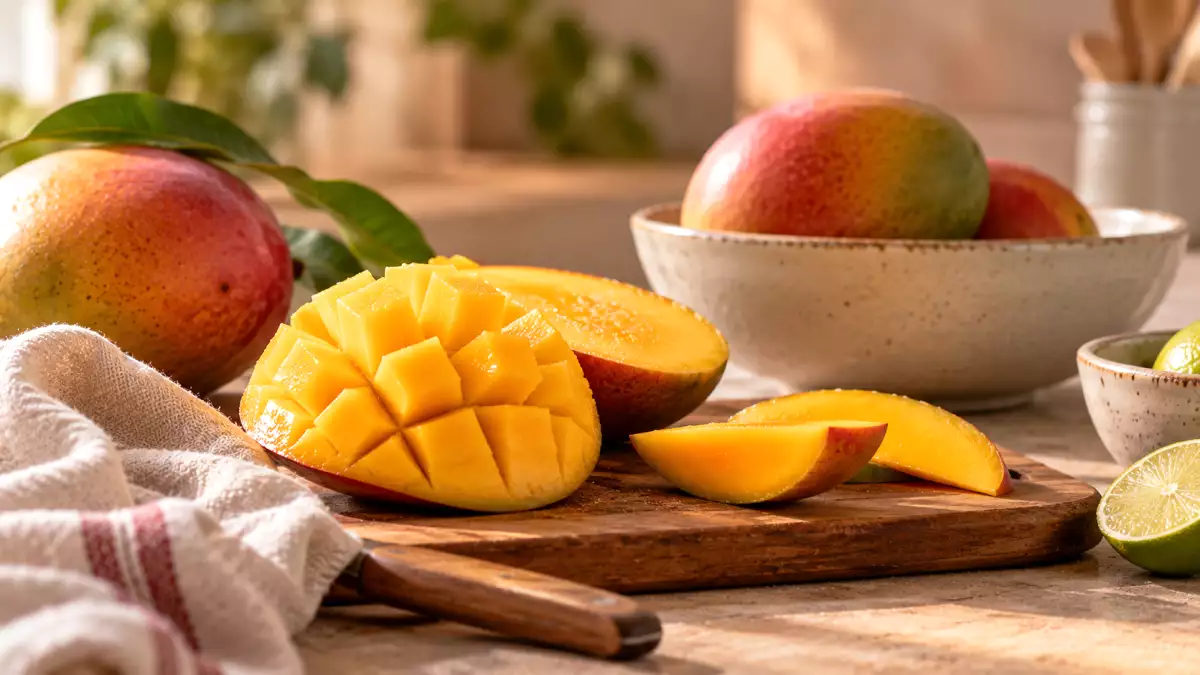
In the fall, while European bakeries bring back apple pies and baked pears, mangoes are still in season in southern Spain. Along the coast of Málaga and Granada, the harvest extends into the fall, depending on the variety. That’s one more reason for those who aren’t in any hurry to give up cold desserts.
A perfectly ripe mango is good for much more than just garnishing a fruit salad. It can be turned into a spoonable mousse, a panna cotta, a bowl of shaved ice, or a sorbet. Depending on how you prepare it, the mango can become a light and refreshing dessert or a creamier, more indulgent one.
A tropical plant grown along the Mediterranean coast
Mangoes originated in Asia, but some of those sold in Europe are grown much closer to home. The Axarquía region of Málaga and the Costa Tropical region of Granada offer ideal conditions for their cultivation. The Andalusian mango season typically runs from August through November, although not all varieties are available at the same time: Osteen is at its peak between September and October, while Keitt ripens later.
That doesn’t mean every mango bought in Paris, Rome, or Brussels is Spanish. Fruit stands carry mangoes from various origins, so checking the label remains the only reliable way to know where they come from.
Choosing the right one is more important than the recipe
A hard, odorless mango can ruin a dessert, no matter how good the recipe is. The color of the skin isn’t a reliable indicator either: depending on the variety, the skin may turn red even if the flesh isn’t ready to eat.
Look for a mango that yields slightly to gentle pressure, with no dents or bruises, and check for a fruity scent near the stem.
If it’s still firm, you can leave it at room temperature for a few days. Once ripe, storing it in the refrigerator helps it last longer.
Before preparing a dessert, try a small piece. Some mangoes are especially sweet, while others retain a hint of tartness: knowing this prevents you from blindly adding sugar or lime.
Ripeness also determines how the fruit will be used. Soft flesh mashes easily; to cut it into cubes that hold their shape, it should be ripe, but not overly so.
From mousse to panna cotta: when mango makes its way into European classics
Mousse, one of the great classics of French pastry-making, aims for a light and airy texture without sacrificing flavor intensity. Mango works especially well in this type of dish: once pureed, its flesh adds aroma and a naturally creamy texture.
In Italy, panna cotta offers another way to incorporate mango into a cold dessert. This classic dish, which originated in Piedmont, is known for its smooth, wobbly texture; in this vegan version, coconut milk replaces dairy, and the mango adds a tropical contrast.
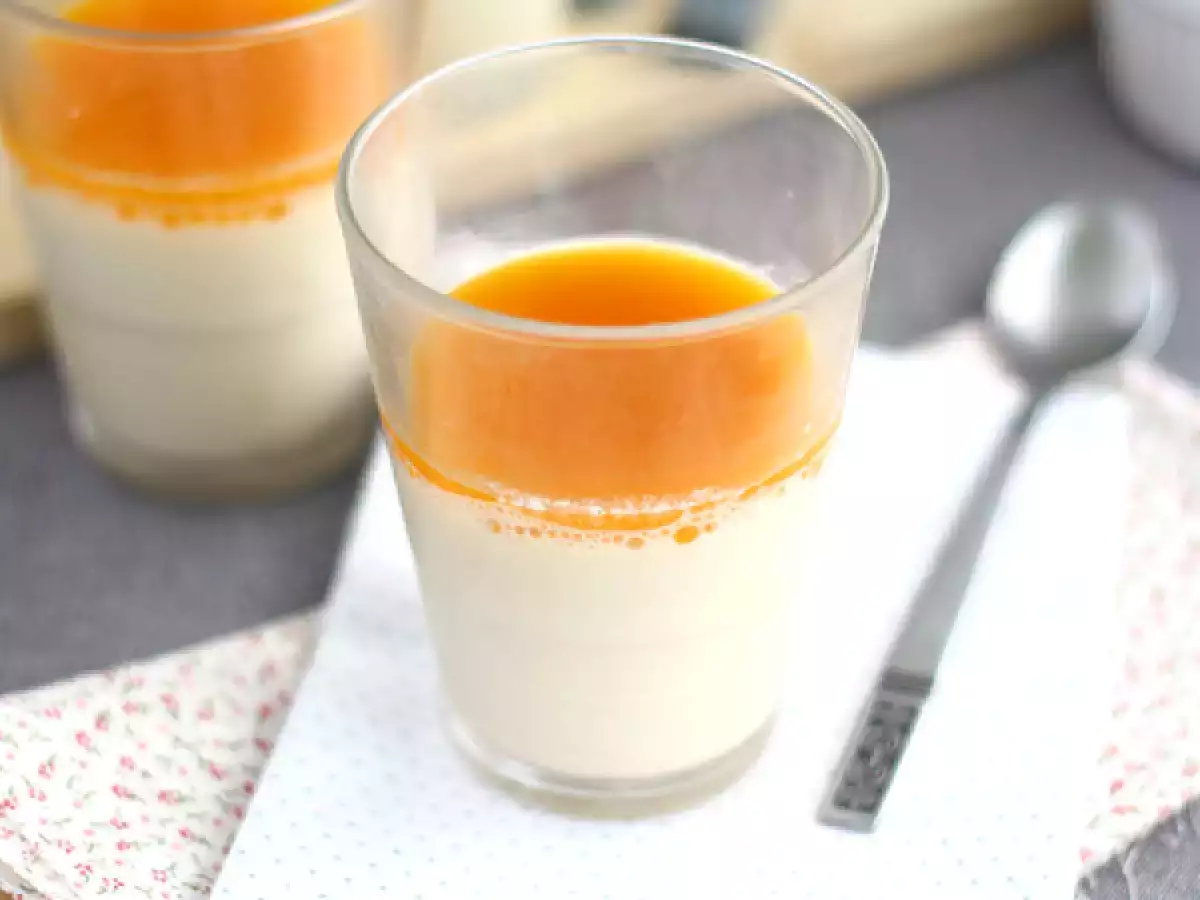
A dessert without animal products—no milk or eggs! It’s possible, and it’s delicious too. What more could you ask for?! :-)
Two very different ways to work with the same fruit and serve it cold—just what you want when fall still brings mild afternoons.
One fruit, different textures: what to make with each mango
A mango that’s already very soft may not be the best choice for a dish requiring perfectly cubed pieces, but it’s great for pureeing. Its flesh serves as a base for creams, mousses, and frozen desserts. If it’s ripe but still firm, you can slice or dice it to showcase it in a dessert with rice or over shaved flavored ice.
There’s another detail that’s often overlooked: cold temperatures dull the perception of certain aromas. It’s best to start with flavorful fruit when freezing it. And if several mangoes ripen at the same time, cutting them up and freezing them in portions is a practical way to use them later.
There’s no need to wait for a special occasion; a cold dessert can also be the solution for fruit that’s about to get overripe.
When the mango makes its way to Asia
There are also other ways to serve it cold. Korean bingsu centers around finely shaved ice flavored with condensed milk, topped with fruit and other accompaniments. In this mango version, the appeal lies in that combination of coldness, fruit pulp, and texture. It’s eaten by the spoonful, before it starts to melt, and has little in common with the texture of traditional ice cream. It’s one of those spoon desserts best enjoyed slowly, before the ice begins to lose its texture.

Korea is not only setting trends with K-pop and the dramas we watch on streaming platforms; it is also doing so at the table. Mango bingsu is a Korean dessert reminiscent of a slushie, made with finely shaved ice , fresh mango and condensed...
Mango sago, a staple of Hong Kong pastry, uses small tapioca pearls. Their soft, chewy texture completely transforms the experience. There’s no need to pretend these desserts are Mediterranean to enjoy them in Europe: it’s actually fun that a fruit grown near Málaga or Granada finds a match in ideas born much farther away.

Mango lovers, pay attention—you're going to love this! Today we're bringing you the recipe for mango sago , an Asian dessert that has become popular around the world in recent years and could become your new favorite dessert. Made with fresh mango,...
In Thailand, one of mango’s best-known pairings is sticky rice. Mango sticky rice is prepared with cooked rice enriched with coconut milk, accompanied by ripe mango sliced into strips. The rice can be served warm or at room temperature, while the fruit adds a refreshing touch. It’s not exactly a frozen dessert, and that’s part of its appeal: it shows that mango also works well in dishes that combine different temperatures, textures, and flavors. Choosing a good mango is especially important because here it’s served almost as-is, without being pureed.
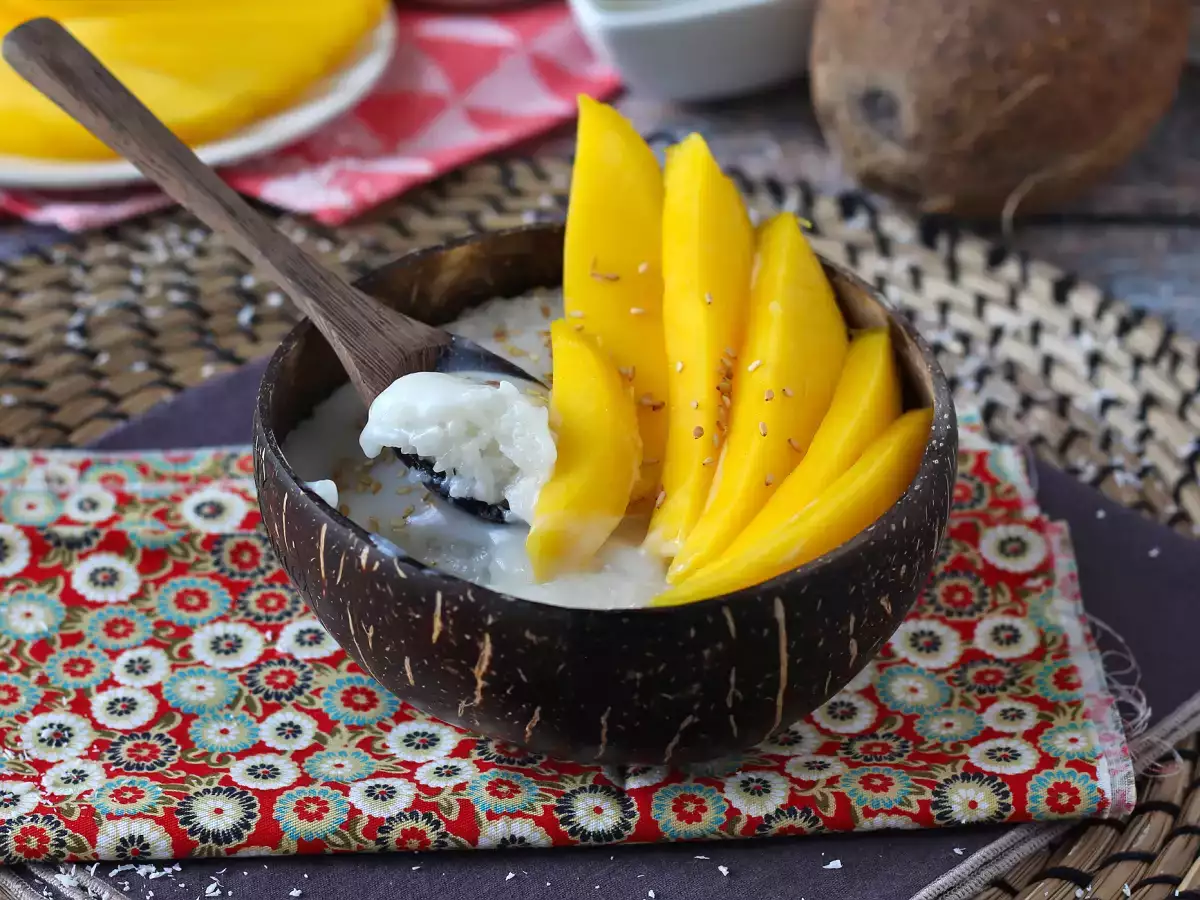
Head to Thailand for an explosion of sweetness and exotic flavors! Treat yourself to the famous mango sticky rice . For a feast of colors, let yourself be seduced by the creamy sticky rice soaked in coconut cream, the bright yellow of the juicy...
And if you're in the mood for a spoonful of ice cream
A very ripe, aromatic mango is a great base for a sorbet with intense flavor. Chopping it up before freezing makes the process easier later on, and a touch of lime can balance out the sweetness. Mango-lime sorbet is a good choice for those who prefer the fruit to remain the star of the show.

Looking for an extra-fresh, fruity ice cream recipe you can make without an ice cream maker ? Well, you've come to the right place! With just 3 ingredients, you can enjoy a delicious mango sorbet in no time. There's nothing like a good sorbet to...
Mango ice cream made without an ice cream maker takes a different approach: it aims for a creamier texture. It’s important not to confuse the two results or claim that any blender can turn frozen fruit into the same ice cream that comes out of a machine. They are different preparations, and that’s part of their charm.

To cool off at any time of day, try our mango ice cream. Super easy to make at home, this recipe requires no ice cream maker! You just need the ingredients and an immersion blender.\r\nBy following our recipe, you’ll get an extra-smooth ice cream to...
Fall is also a great time for cold desserts
In the fall, you can enjoy dinner in a sweater and finish your meal with a cold dessert. In Lyon, Bologna, Lisbon, or Valencia, the desire for a good dessert doesn’t always follow the seasonal trends in store windows.
The interesting thing about fall mangoes is that they don’t need to prove themselves as a summer dessert or compete with baked pears.
The logic remains the same: buy good fruit, respect its flavor, and serve it at whatever temperature you like. If today calls for a cold mango and next week a warm apple tart, so much the better for whoever sits down at the table. There’s no need to choose sides between summer and fall. All you have to do is find a good mango and decide what to do with it.
 Patricia González
Comments