Make restaurant-quality panna cotta at home, the Italian chilled dessert that takes almost no effort
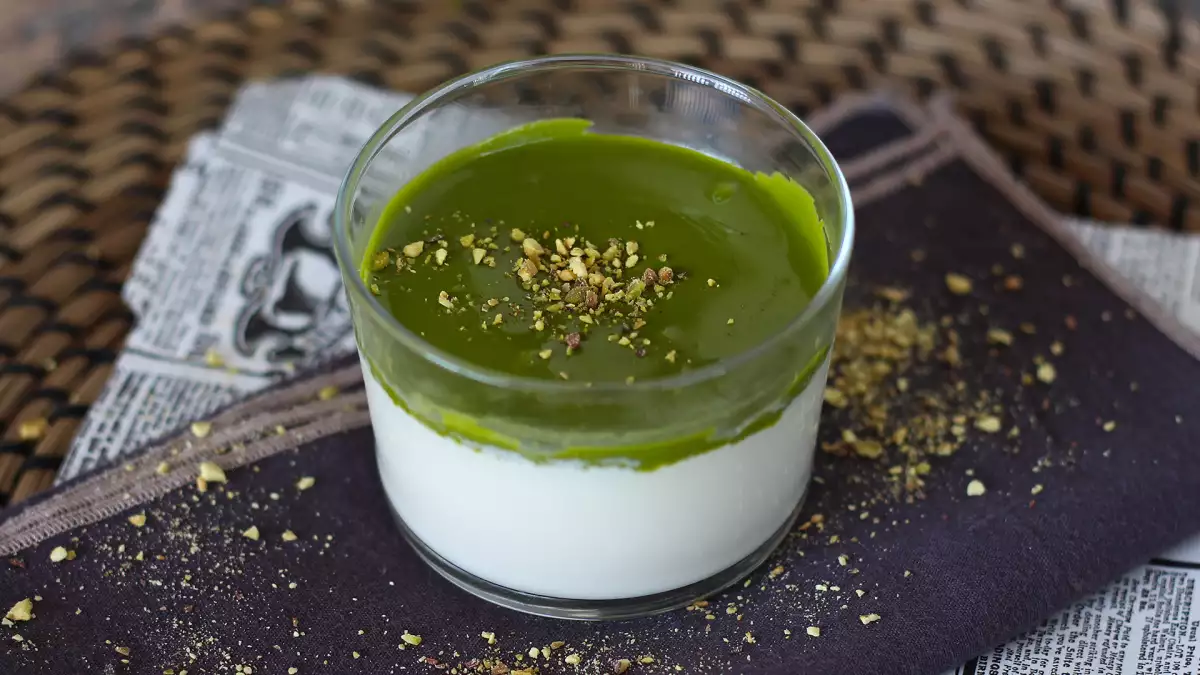
There are two types of people in the summer: those who turn on the oven to make a dessert and those who still have a certain survival instinct. For the latter, there’s panna cotta: that Italian dessert that looks like it belongs on a menu at a restaurant with linen tablecloths, but that actually comes together in a flash, simply by mixing a few ingredients and letting the fridge do the work while you do something more sensible, like sitting in front of a fan.
Panna cotta means “cooked cream,” though the name sounds more impressive than the recipe actually is. You don’t have to make a complicated custard or turn on the oven: just heat cream, milk, sugar, and vanilla in a saucepan, add gelatin, pour the mixture into glasses, and let the fridge do the rest.
Put that way, it sounds almost insultingly easy. And it is. But there’s also a little catch: the texture.
A good panna cotta shouldn’t be a white, vanilla-flavored gummy mass. Nor should it be a sad, flimsy pudding that falls apart at the slightest touch. It needs to be set, but with an elegant wobble. It should be firm, but not hard. Ideally, it should hold its shape, and when you dip a spoon into it, it should break apart gently, almost like a set custard.
How to make easy panna cotta without an oven
Classic panna cotta isn't about piling on ingredients. Quite the opposite. It calls for cream, milk, sugar, vanilla, and gelatin. Nothing else.
The key lies in the proportions of the ingredients. What we’re aiming for is that signature middle ground: firm, yes, but with a bit of give; solid, yet creamy.
One of its great advantages is that it can be prepared in advance. In fact, that’s ideal: panna cotta needs to be chilled and allowed to set properly. It’s not a dessert to whip up at the last minute, but rather one to prepare a few hours ahead of time and take out of the fridge just before serving.
The basic panna cotta recipe
The method is very simple. First , soak the gelatin in cold water. Meanwhile, heat the cream, milk, sugar, and vanilla—without bringing it to a boil: just heat the mixture until the sugar is completely dissolved.
Then remove it from the heat, add the drained gelatin, and stir until it’s completely incorporated. Next, pour the mixture into molds, small glasses, or cups and refrigerate.
From there, it’s best to let it sit undisturbed. Panna cotta needs cold temperatures and time to set. Once ready, it can be served as is or topped with fruit, red berry coulis, pistachio cream, figs, mango, or any other topping you like.
Vanilla panna cotta
The vanilla version is the best place to start: simple, delicate, and without too many frills. It can be made with vanilla extract or a natural vanilla bean, which adds a deeper, more elegant aroma. It’s the most classic version and also the most common base for serving with a light sauce on top that provides contrast.
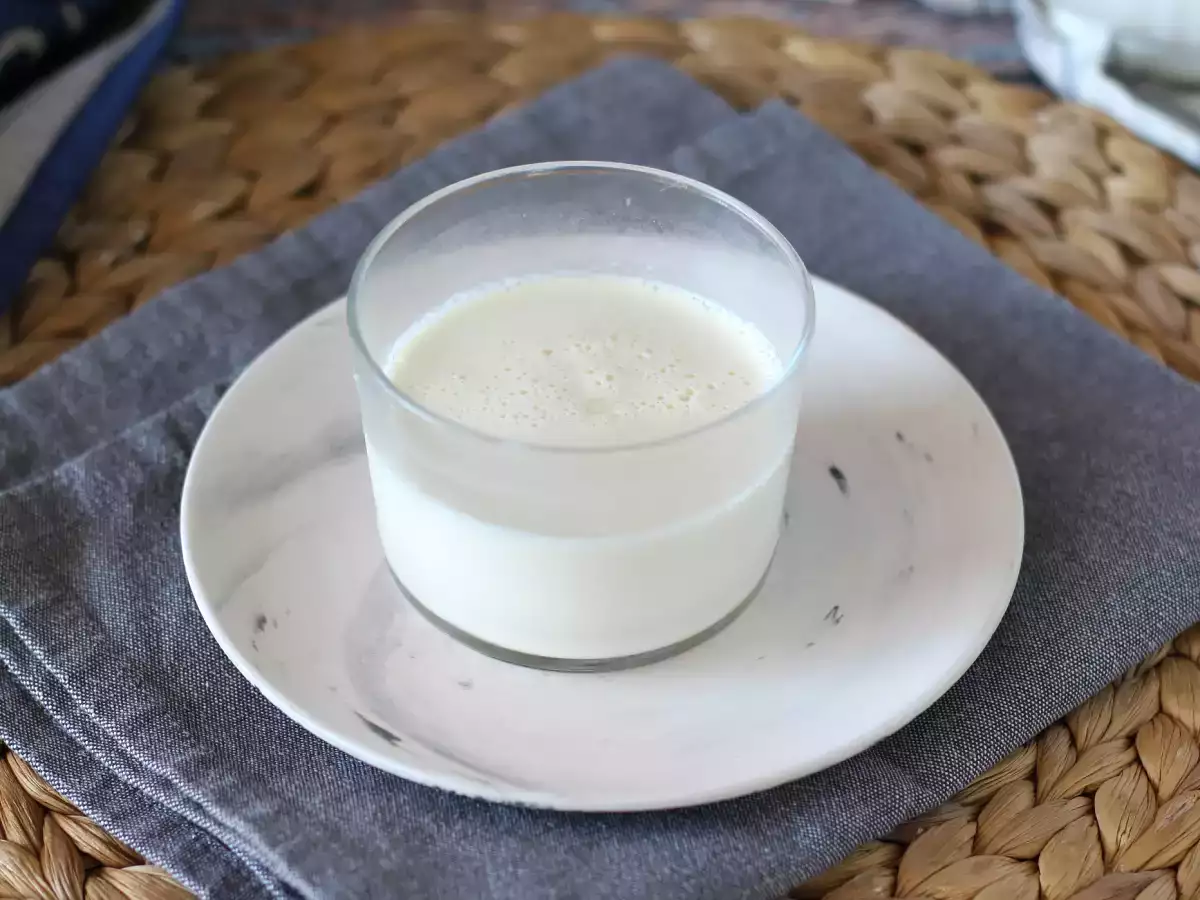
There are those who love panna cotta and those who lie! This refreshing and elegant dessert is a must at any time of year because it can be easily customized depending on the season in which you want to make it. Here, we give you the classic recipe...
Panna cotta with berries
Panna cotta with red berries works because of the contrast. The custard is sweet, smooth, and creamy; the raspberries, strawberries, blackberries, or blueberries add tartness, color, and a touch of freshness.
The berries can be added whole, as compote, jam, or coulis, although the cleanest option is a thin, slightly tart sauce that coats the surface without weighing it down. The fresher the fruit tastes, the better the dish comes together.
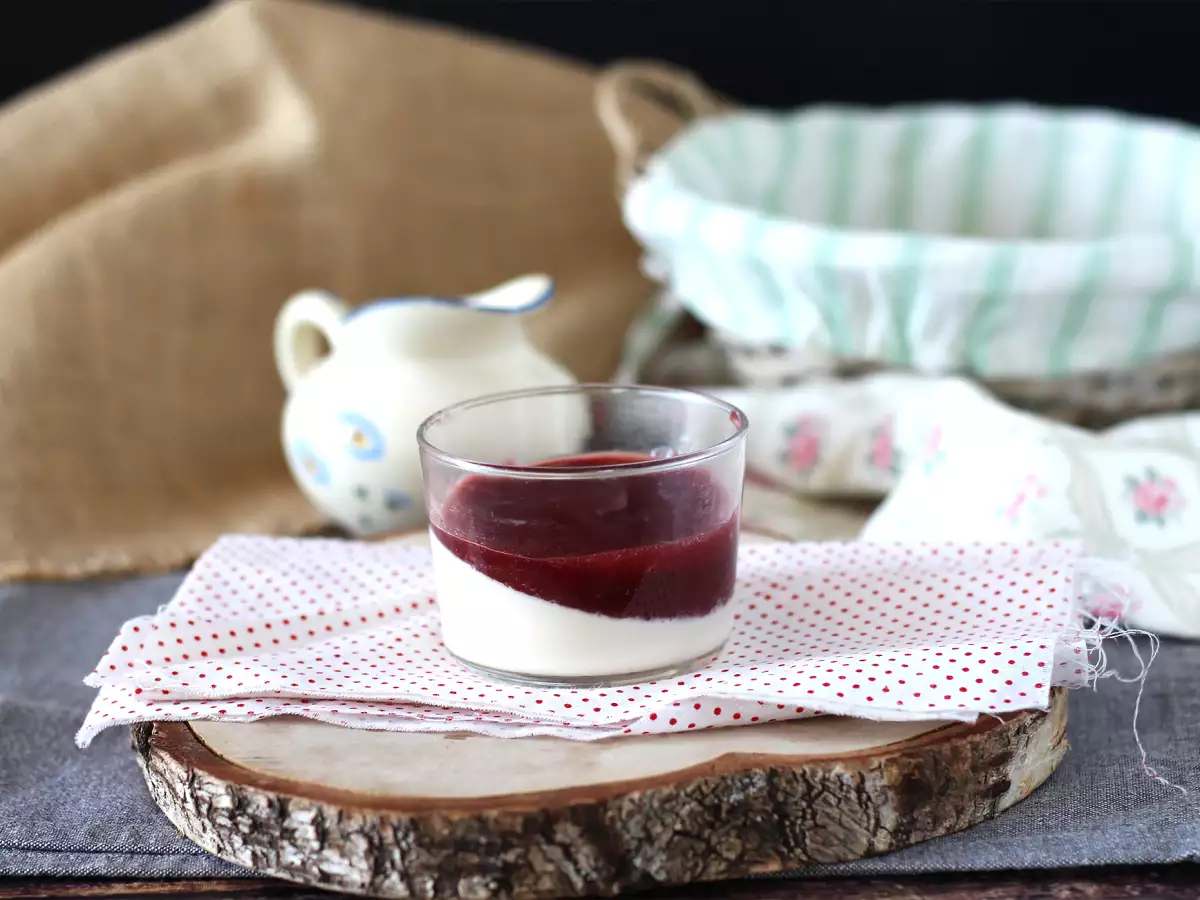
The panna cotta is a very easy dessert to make that suits any occasion: a refreshing, informal dessert for an everyday lunch, but also an elegant dessert to serve at the end of a meal during the holiday season. The method for making panna cotta...
Pistachio and vanilla panna cotta
The pistachio panna cotta stands out for its more intense flavor and eye-catching presentation. You put a green cream on top of something white, and suddenly it looks like you’ve spent the whole afternoon perfecting your pastry-making skills. There’s no need to deny it right away. The dairy base softens the nutty flavor and lets it shine through without being overpowering.
It’s best to use a thin layer of good-quality cream, some chopped pistachios, or both—but in moderation.
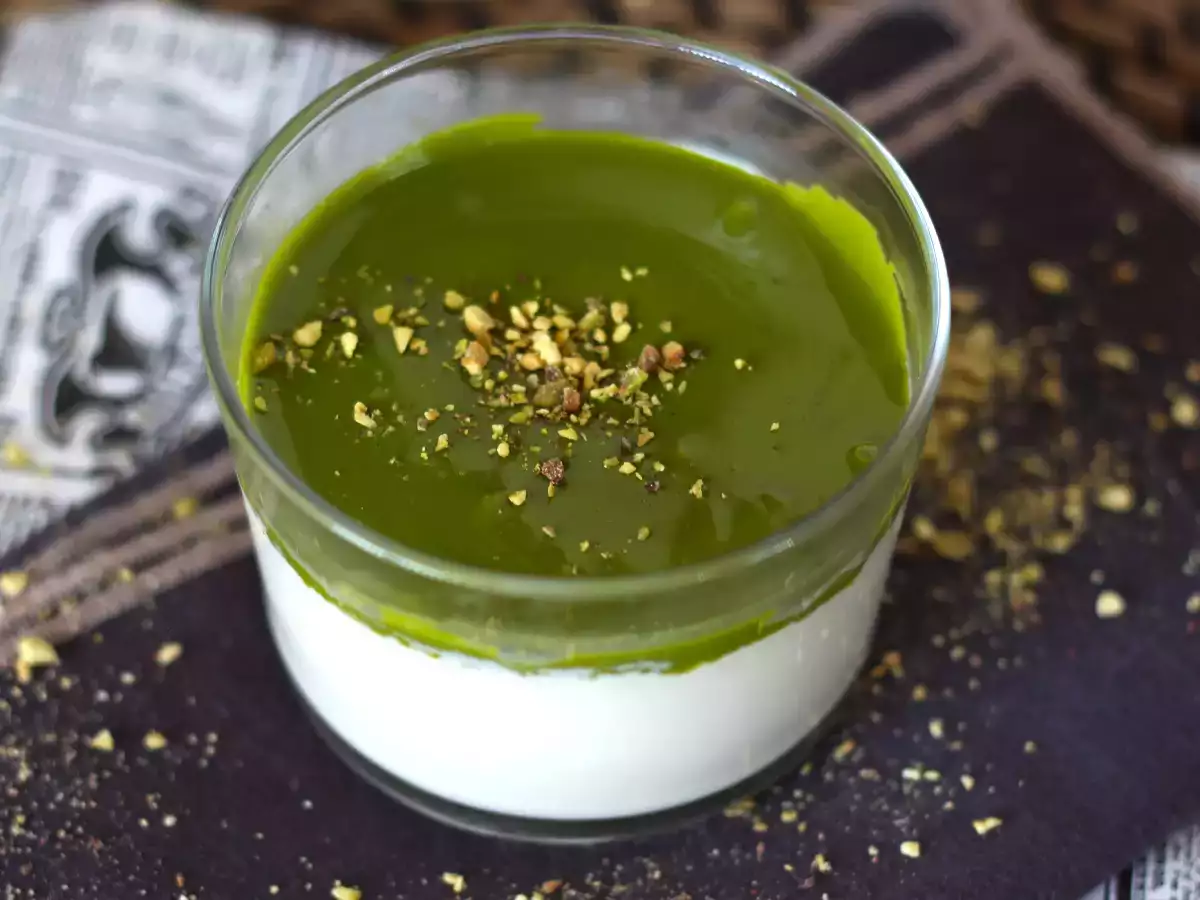
Quick, creamy and easy to prepare, pistachio panna cotta is a popular spoon dessert all over the world. It’s the perfect idea when you have guests over for lunch or dinner and want to surprise them with a dessert with a fresh, delicate flavour....
Panna cotta with figs
Panna cotta with figs doesn’t have the visual impact of red berries or the immediate appeal of pistachios. But it has something better: a deeper, more mature, less obvious sweetness. The fig coulis pairs very well with the cream because it doesn’t compete with it; it complements it.
It’s a great choice when you’re looking for an elegant dessert that’s also easy to serve. The base remains the same, but the topping completely transforms the character of the dessert.
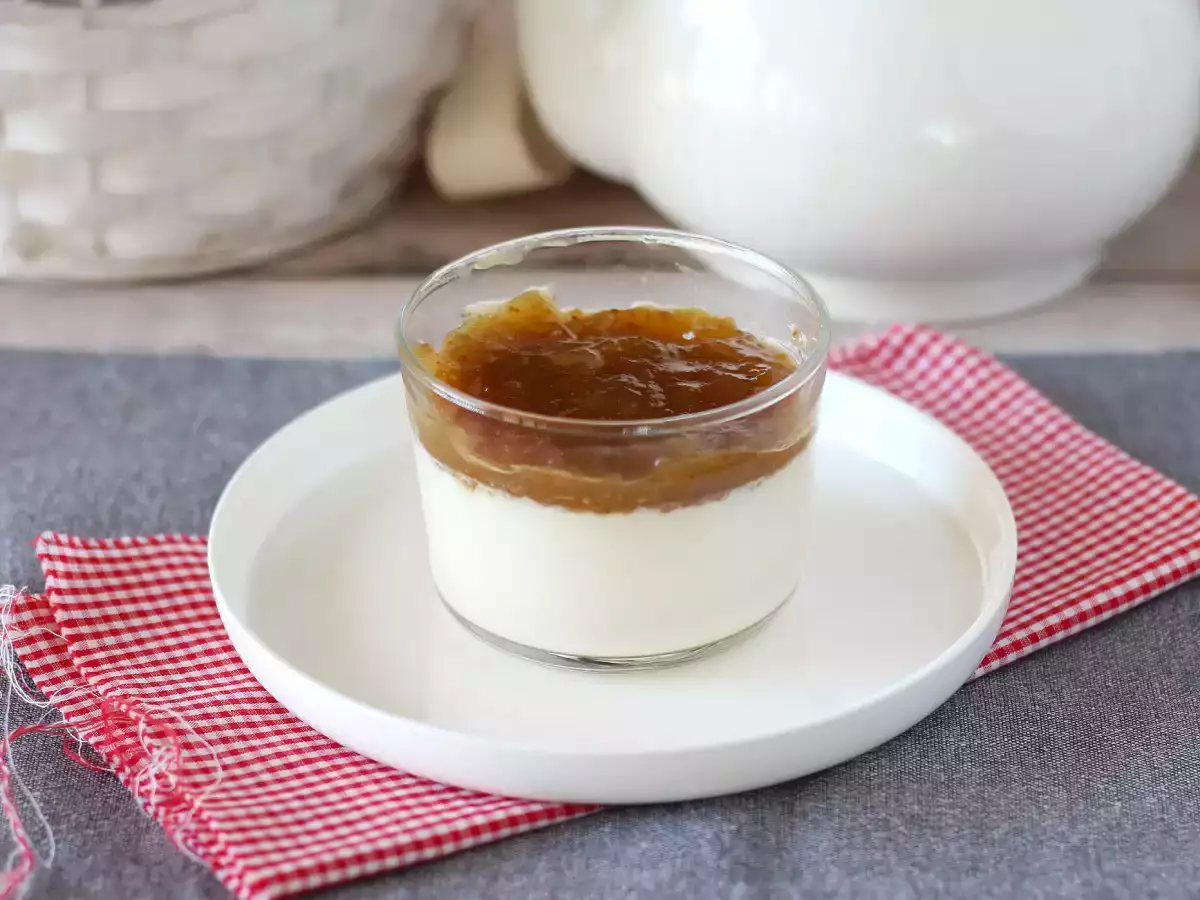
Pair vanilla panna cotta with a delicious fig sauce for an easy recipe you can enjoy at any time of year (although September is the perfect month). This delicate dessert is lovely to serve to guests when you want to end a meal on a high note....
Vegan Coconut and Mango Panna Cotta
Vegan panna cotta doesn't try to be exactly like the traditional version. And that's a plus. Instead of cream and cow's milk, it uses plant-based milk and coconut milk; instead of gelatin, it uses agar-agar. The result isn’t a copy, but a fresh take on the same dessert: cold, creamy, served in a glass, and topped with a layer of fruit that really brings it together.
The coconut adds body and flavor. The mango adds freshness and color. It’s a particularly satisfying option when you want a dairy-free dessert that still makes a statement.
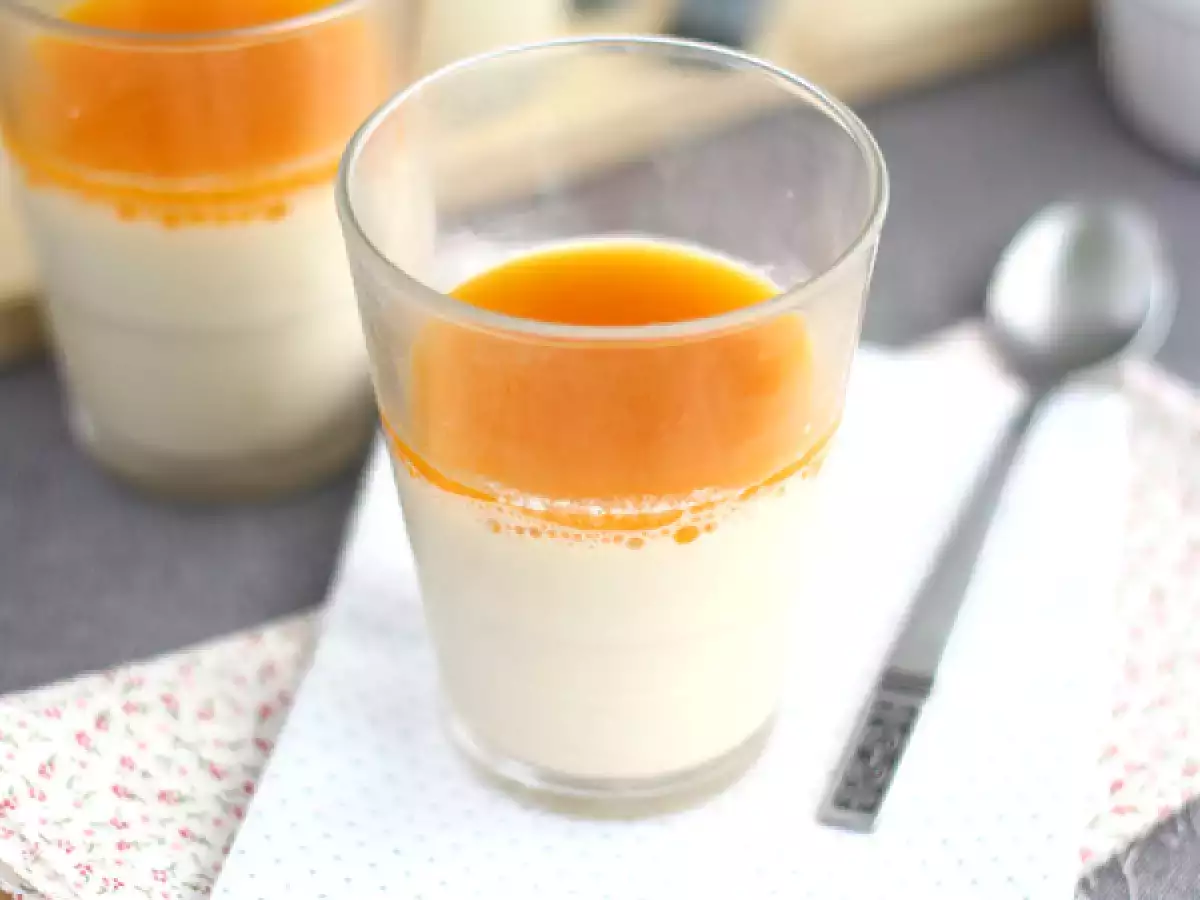
A dessert without animal products—no milk or eggs! It’s possible, and it’s delicious too. What more could you ask for?! :-)
The secret to a good panna cotta lies in its texture
 Patricia González
Comments