Want a more balanced pasta dinner? Try these 5 simple additions
Tuesday 24 November 2026 15:30 - Juliette Hess
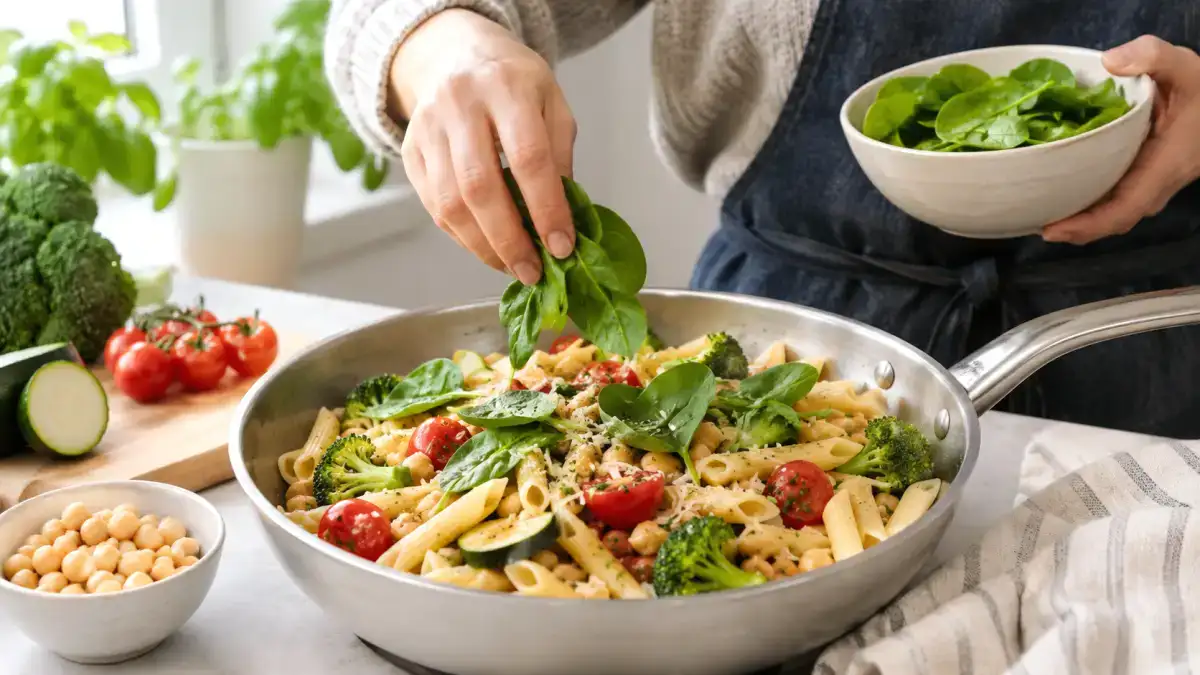
With a few ingredients you probably already have, you can bring more vegetables, protein, fiber and variety to your plate. The secret isn't a special sauce or a long list of rules. It's learning which little additions work with the pasta dishes you already love. Here are five easy ideas to try tonight.
1. Add a generous handful of vegetables
This is one of the easiest ways to change the balance of a pasta dinner. Spinach, broccoli, zucchini, peas, mushrooms and cherry tomatoes all work beautifully with familiar sauces, and you can choose fresh or frozen vegetables depending on what's available.
For a speedy weeknight meal, toss frozen peas into the pasta water near the end of cooking. Or stir a couple of handfuls of baby spinach into warm tomato sauce until the leaves wilt. Roasted zucchini and peppers are especially good with penne, while mushrooms add a savory note to creamy pasta.
Don't feel you have to disguise the vegetables. Let them take up a generous share of the dish. A useful visual goal is to include enough vegetables that they feel like part of dinner, not a lonely garnish on top.
2. Stir in beans, chickpeas or lentils
Have half a can of chickpeas sitting in the refrigerator? You're already close to a heartier pasta dinner. Beans and lentils add plant protein and fiber, and they pair naturally with olive oil, tomatoes, garlic and herbs.
Try white beans with spaghetti, lemon and spinach, or chickpeas with short pasta and a tomato-based sauce. Cooked lentils can also blend into a vegetable-rich pasta sauce, giving it more substance without needing ground meat.
For a quick shortcut, use canned beans, drain and rinse them, then warm them in the sauce. If you prefer a creamy texture, mash a few beans against the side of the pan with a splash of pasta cooking water. You'll get a silkier sauce without adding a separate cream-based ingredient.
3. Include a protein you actually enjoy
Pasta already contributes some protein, but adding another source can help turn a simple bowl into a more complete meal. Think cooked chicken, canned salmon, tuna, shrimp, tofu or an egg. There's no need to choose an ingredient you don't enjoy just because it sounds nutritious.
For example, fold cooked chicken and broccoli into a light garlic sauce, or toss flaked canned salmon with peas, lemon and dill. Tofu works particularly well with mushrooms and a little soy sauce for a less traditional twist. If you like eggs, a properly cooked egg-based sauce can also add richness and protein.
Keep food safety in mind: cook poultry to 165°F and fish to 145°F when cooking from raw, and handle eggs according to safe preparation guidance. Convenient, already-cooked ingredients make this step especially simple on busy nights.
4. Mix in some whole-wheat pasta
You don't need to throw away the regular spaghetti in your cupboard. But the next time you shop, consider trying whole-wheat pasta. Whole grains generally provide more fiber than refined versions, which can help make a meal more satisfying.
If the flavor or firmer bite feels unfamiliar, start by combining some whole-wheat pasta with your usual shape. Choose varieties with similar cooking times, or boil them separately before mixing. Whole-wheat penne tastes especially good with roasted vegetables and a punchy tomato sauce.
Another option is pasta made with chickpeas or lentils, which can offer a different balance of protein and fiber. Compare the package labels because products vary. And remember: ordinary pasta isn't automatically a bad choice. The overall meal matters more than a single ingredient.
5. Finish with a little olive oil, nuts or seeds
A finishing touch can add flavor, texture and a source of unsaturated fats. Olive oil, chopped walnuts, toasted almonds and pumpkin seeds are all easy options, depending on the sauce and the people you're feeding.
Try spaghetti with sautéed greens, lemon zest and a drizzle of olive oil. Sprinkle a little toasted walnut over pasta with roasted squash, or add pumpkin seeds to a vegetable-packed pasta salad for crunch. Small amounts go a long way, so you don't need to bury your plate under toppings.
If you're serving someone with a nut allergy, skip the nuts and check ingredients carefully. Fresh herbs, lemon and black pepper are great finishing touches too, especially when you want more flavor without relying on lots of salt.
What does a balanced pasta plate actually look like?
You don't need to calculate every bite. A simple way to plan dinner is to make room for vegetables, include a protein source and enjoy a portion of pasta that suits your appetite. If you're using whole-grain pasta, that's another useful option rather than an obligation.
The American Heart Association's balanced-plate approach emphasizes vegetables and fruit, whole grains and lean protein across meals. For pasta night, you might picture a bowl with plenty of sautéed vegetables, a scoop of beans or chicken and pasta tying everything together.
There's room for Parmesan, pesto and your favorite comforting sauces too. The goal is variety and satisfaction, not creating a dinner that feels like a punishment.
Start with just one addition tonight
Here's the easiest part: you don't have to use all five ideas at once. One extra ingredient can already make your usual pasta dinner more varied. Add spinach to your tomato sauce tonight, chickpeas to tomorrow's leftovers or a handful of toasted seeds to next week's pasta salad.
And don't overlook convenience. Frozen vegetables, canned beans and pre-cooked protein can make a balanced dinner realistic even when you're short on time. Keep a few favorites in the kitchen and you won't need an entirely new recipe every evening.
Pasta is meant to be enjoyed. With a little color, texture and variety, that familiar bowl can stay comforting while offering more of what you want from dinner. Now, who's putting the water on? ;-)

Growing up in her family’s restaurant inspired Juliette’s love of cooking. Since 2017, she has developed, photographed and filmed recipes for Petitchef. Trained in visual imagery and lighting, she loves exploring world cuisines, particularly Asian food.
Comments