Glass, ceramic, or metal: How to choose the right baking dish and figure out which one really makes a difference
Monday 23 November 2026 21:00 - Francesco Rosso
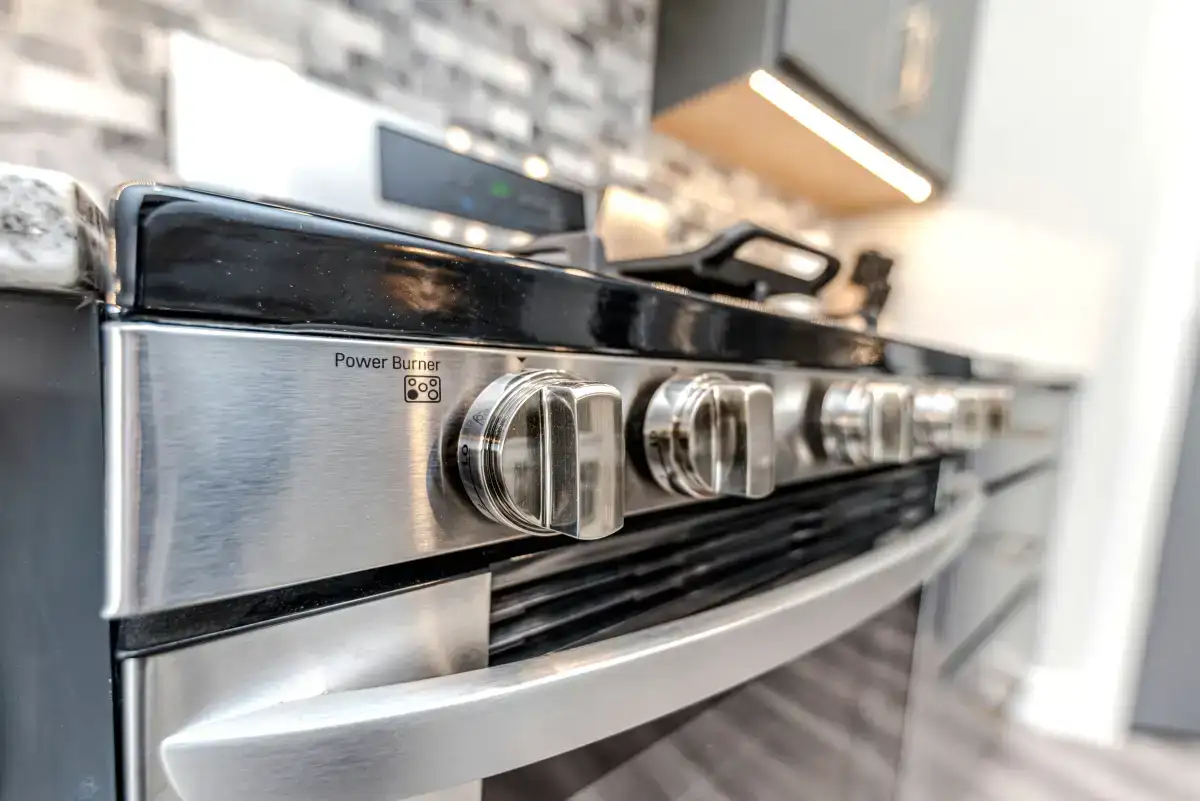
Did you make lasagna the way you always do, but this time the edges are too dry? Or is your cake dark on the outside but still moist in the middle?
Before blaming the oven, take a look at the baking dish. Glass, ceramic, and metal don’t bake the same way—the material affects how heat reaches the ingredients. Here’s how to choose the right baking dish—without turning dinner into a science experiment.
Why the material of the baking pan really affects how food cooks
Imagine the same dessert, with identical ingredients and baking times, in three different pans. The result may vary because each material transfers and retains heat in its own way.
Metal conducts heat quickly; glass and ceramic transfer it more slowly but stay hot longer. This affects how the bottom and edges brown, as well as how the center cooks. Thickness, color, and size also matter: the number on the oven display tells only part of the story.
Metal baking sheet: the right choice for browning and crisping
If you love well-browned potatoes or a tart with a crisp crust, metal is often your best ally. Light-colored aluminum pans conduct heat well and are widely used for cakes, cookies, and brownies. Plus, they cool down more quickly after coming out of the oven, minimizing residual cooking.
But not all metal pans are the same: very dark ones can brown the edges and bottom more quickly; those that are too thin can warp. Choose a sturdy pan and follow the temperature guidelines, especially if it’s nonstick.
Glass baking dish: perfect for when you want to monitor the cooking process
The transparent baking dish lets you check the sides of a casserole without moving it. Oven-safe glass is non-reactive, making it ideal even for acidic ingredients like tomatoes and fruit.
Its downside? It heats up more slowly than metal, and once hot, it continues to transfer heat to the food after cooking. In sweet desserts, this can cause the edges to dry out while the center isn’t quite ready yet. It’s convenient for crumbles, soft gratins, and dishes served directly at the table.
Ceramic baking dish: perfect for lasagna and casseroles to serve at the table
A steaming ceramic baking dish instantly evokes Sunday lunch. Oven-safe ceramic generally heats up more slowly than metal and retains heat—a combination that works well for lasagna, parmigiana, and rich, well-seasoned casseroles.
Not all baking dishes perform the same way, however: thickness and composition affect how food cooks. If you want a crispy crust on top, check the color during the last few minutes instead of relying solely on the timer. And always make sure the ceramic dish is oven-safe and suitable for the selected temperature.
Is a glass or metal baking pan better for a cake?
For fluffy cakes, plum cakes, and brownies, it’s best to start with a light-colored metal pan, especially when the recipe calls for one. It allows you to control baking times and color more precisely.
Do you only have a glass baking dish? As a general rule, if you substitute glass for metal when baking a dessert, you can lower the temperature by about 15 °C and allow for a few extra minutes. This isn’t a one-size-fits-all rule: check the center with a toothpick and keep an eye on the edges, because every oven and every pan reacts differently.
Which baking dish should you choose for baked potatoes, lasagna, and pizza?
It depends on the result you're looking for. For crispy baked potatoes , choose a large metal baking sheet: potatoes spaced well apart brown better than those crowded together. For homemade pizza, too, metal that can withstand high temperatures helps the crust cook properly.
For baked lasagna, glass and ceramic dishes are convenient when you want to bring the dish directly to the table; metal can result in more pronounced browning on the sides. With vegetable gratins made from watery vegetables, however, keep in mind that too many ingredients in the same dish produce steam and prevent a crispy crust from forming.
Can you put a glass baking dish in an oven that's already hot?
Yes, if the dish is oven-safe and the instructions allow it: many glass baking dishes should be placed directly into a preheated oven. The greatest risk comes from sudden temperature changes.
Avoid placing a frozen baking dish directly into intense heat, setting a piping-hot one on a cold or wet sink, or pouring cold liquids onto hot glass. Do not use a standard baking dish under the broiler or on direct heat sources without explicit authorization from the manufacturer. Even with ceramic dishes, the instructions for use take precedence over personal habits.
Size, color, and height can also affect the result
A small baking sheet creates a thicker layer of dough: the center cooks more slowly. One that’s too large makes the dough thinner and risks drying it out. Size matters just as much as the material.
Color matters, too: dark metal pans tend to brown the surfaces in contact with them more quickly, while light-colored ones often allow for more controlled cooking. For vegetables, however, leave space between the pieces: if you fill the pan to the brim, they’ll end up steaming.
Five Tips to Keep in Mind Before Turning on the Oven
To get the most out of your baking sheet, keep these five tips in mind:
- Check the instructions: maximum temperature, broiler setting, and oven compatibility.
- Follow the dimensions: a wider or narrower pan will affect how the food cooks.
- Check the bottom as well: a golden surface doesn’t guarantee that the inside is done.
- Avoid sudden temperature changes: especially with glass and ceramic, use a dry trivet.
- Leave space for the ingredients: potatoes and vegetables brown better when they’re not crowded.

I grew up in Piedmont among vineyards and family tables. As a journalist, I love traditional Italian dishes, wine and the stories behind regional food.
Comments