Batch cooking tips: How to tell why cooked rice doesn’t last like chicken in the refrigerator
The myth of the five days that are the same for everyone
The right question isn’t just “how long does cooked food last in the fridge?”, but: what kind of food is it? Was it cooled quickly? Is it in a clean, sealed container? Is the fridge cold enough? Has it already been seasoned? Does it contain mayonnaise, milk, fish, eggs, or meat?
The most conservative guidelines often suggest 3–4 days for many cooked leftovers, but this doesn’t mean that every homemade dish will safely make it to the fourth day with the same aroma, the same texture, and the same safety margin. That’s why, in smart batch cooking, the schedule is built around the ingredients, not the desire to fill every slot of the week.
Grains and pasta: resilient, but not invincible
To organize things better, spread the grains out in a thin layer, let them cool quickly, and then store them in the refrigerator in shallow, sealed containers. If you’re wondering , “How long does cooked rice last in the refrigerator?”, the safest answer is: a few days—best consumed early in the week and always after it has cooled properly.
A base of spelt or rice already seasoned with tuna, fresh cheeses, or creamy sauces has a shorter shelf life than the same base kept “plain.” For this reason, it’s often more practical to store grains on their own and add mild seasonings just before serving. For a ready-to-eat yet well-balanced lunch, you can draw inspiration from recipes like these, keeping in mind that the inclusion of tuna, yogurt, or cooked vegetables affects how the container should be handled.
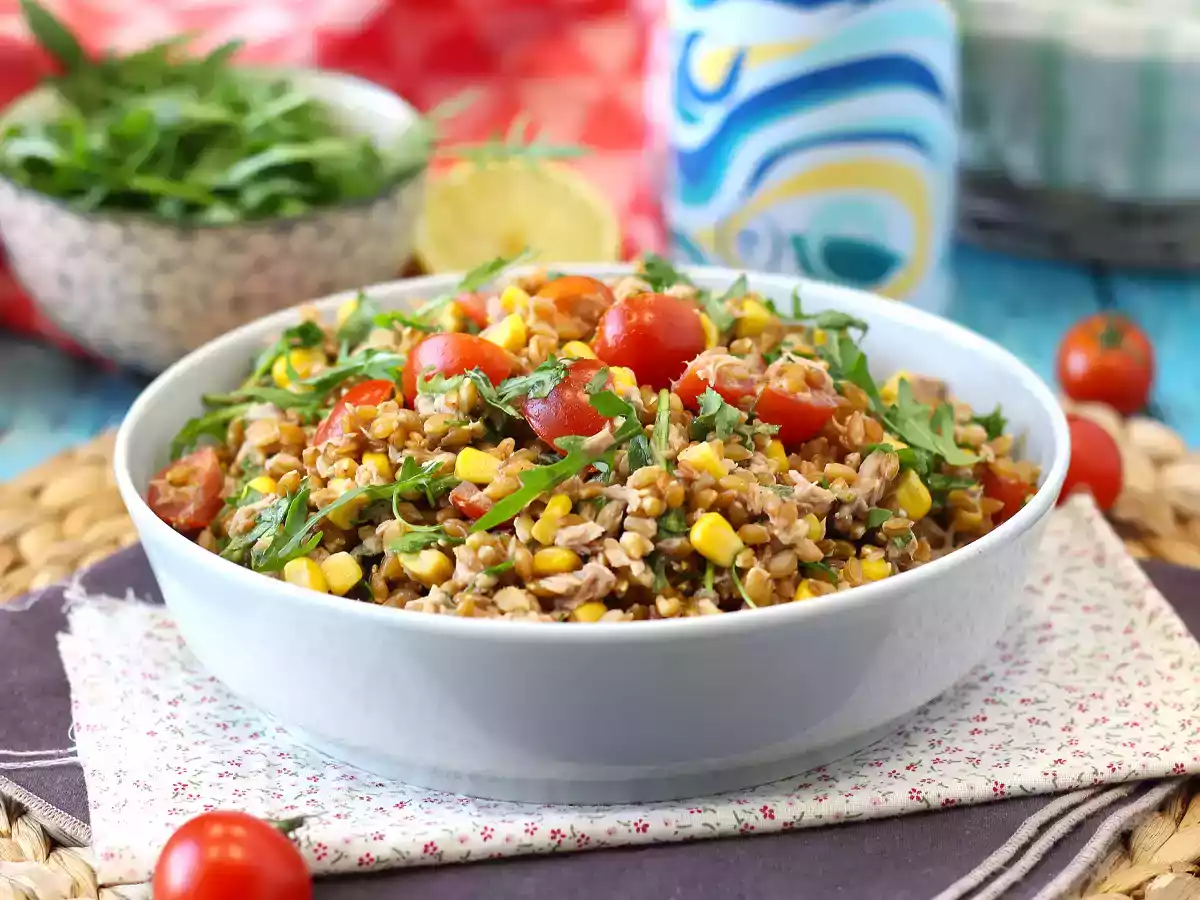
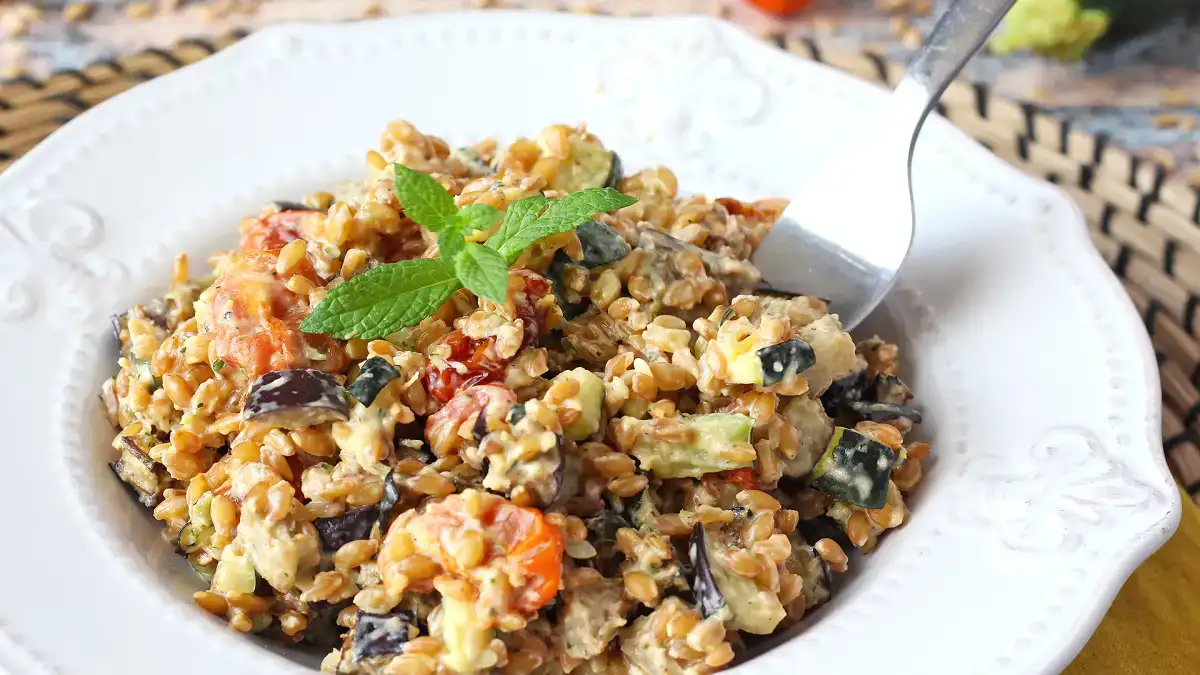
Farro and tuna salad is a fresh, balanced dish that's perfect for any occasion. Great as a light lunch, a meal to take to work or a quick dinner, it's an ideal choice for those who want to eat healthy without sacrificing taste. In our version,...
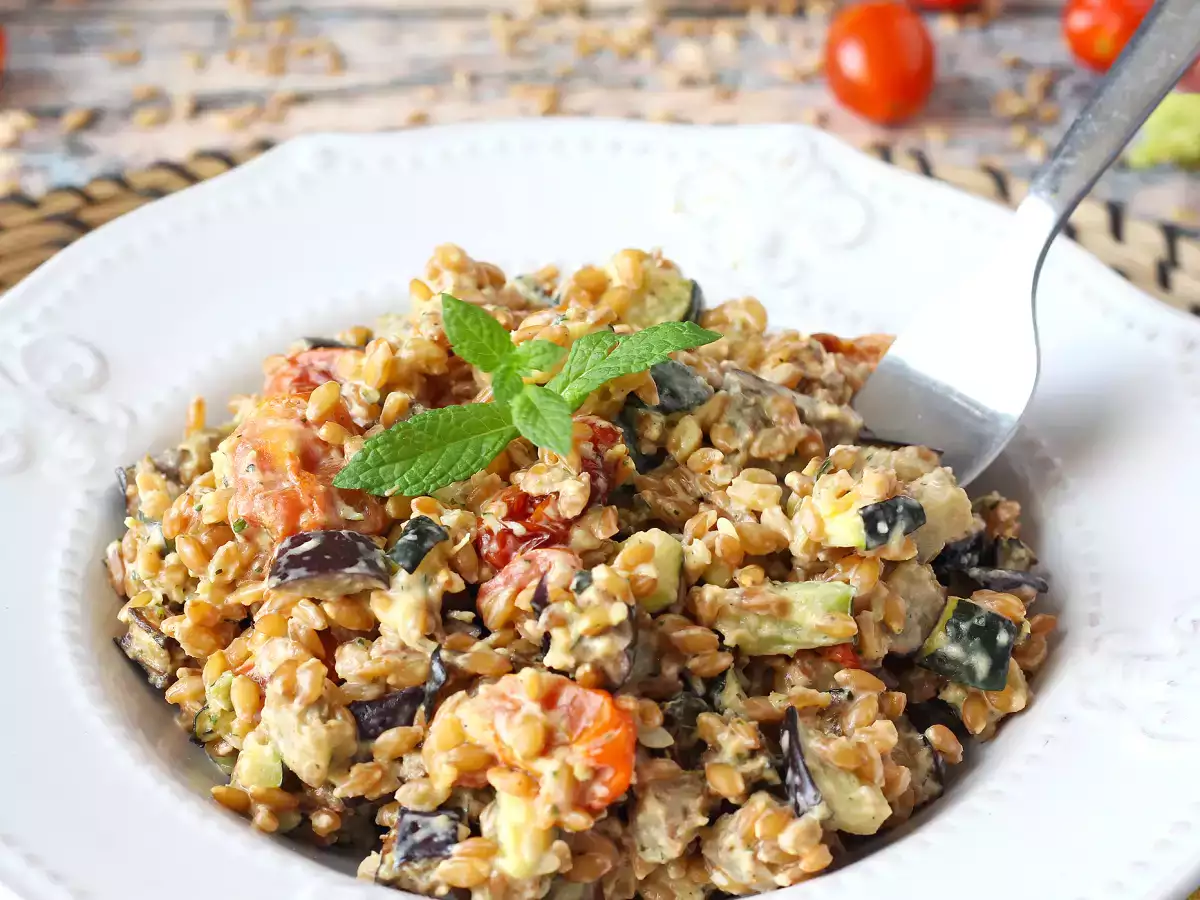
Perfect for the warmer months, this farro salad with zucchini , eggplant and roasted cherry tomatoes wins you over at the first bite with its extraordinary balance of flavors. The sweetness of the oven-roasted vegetables meets the freshness of...
Eggs, fish, and meat: here, the schedule needs to be more conservative
For cooked meat, there’s a simple rule: small portions , clean containers, a cold fridge, and no constant “open, sniff, close again, I’ll deal with it tomorrow.” Roast chicken, meatballs, stews, and baked dishes can stay in the fridge for a few days, but they aren’t indefinitely storable.

You can never have too many quick and tasty recipes , can you? Today, we're treating ourselves to marinated chicken drumsticks baked in the oven that are super quick to prepare, but so delicious! No fuss, just take 5 minutes to prepare the...
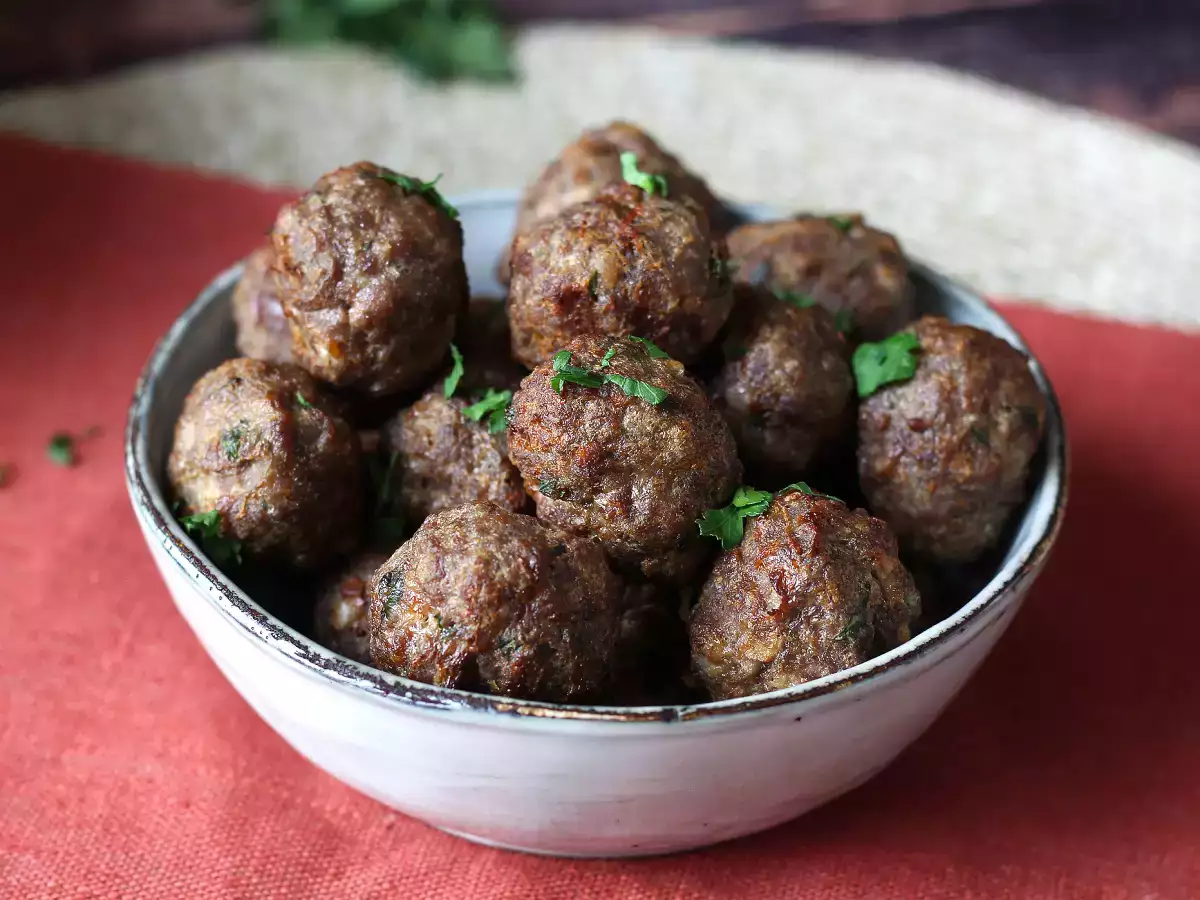
Air fryer meatballs are among the most searched-for recipes right now because they make it easy to serve a tasty , light meal in just a few minutes. Perfect as a main course for the whole family, they’re also ideal as a tasty appetizer or finger...
How long do hard-boiled eggs last in the fridge? It also depends on how they were cooled and stored. It’s best to keep them whole, in a sealed container, and include them in the first few days of your weekly meal plan. If, on the other hand, you use eggs in omelets, casseroles, or dressed salads, consider the recipe as a whole: often, it’s the most perishable ingredient that determines how long the dish will last.
Vegetables and legumes: They seem harmless, but watch out for moisture and seasonings
Legumes, on the other hand, are excellent for creating nutritious vegetable bases: chickpeas, beans, and lentils hold up well to weekly meal planning if stored correctly, but their shelf life changes when incorporated into soups, salads with fresh dressings, or pre-mixed dishes. A chickpea curry can be a very convenient ready-to-eat dinner, but it still needs to be cooled and refrigerated carefully.

When it comes to comfort food , we're always happy to make room for chickpea curry ! Served with rice, this fragrant dish will take your taste buds on a journey and warm you up :-) Think we're exaggerating? Give it a try and you'll soon be won over...
Can you freeze batch-cooking bases? Often yes, especially simple grains, legumes, cooked meats, and some soups. However, it’s best to evaluate dishes containing potatoes, mayonnaise, yogurt, pre-dressed salads, or very watery vegetables on a case-by-case basis: their texture may change when thawed.
Sauces and condiments: small jars, big responsibilities
The question “How long do homemade sauces last in the fridge?” doesn’t have a single answer: it depends on the ingredients. In general, the more fresh and perishable ingredients a sauce contains, the sooner it should be consumed. The labels and expiration dates of the ingredients matter: if you use yogurt that’s close to its expiration date to make a sauce, you can’t treat it as if it were fresh from the store.
A good strategy is to prepare separate small jars, label them, and pair them with your meal only at the last minute. This way , grains and vegetables stay drier, proteins don’t get soggy, and you can decide each day whether you want a Mediterranean bowl, a spicy bowl, or a lighter lunch.
Practical tips for safer batch cooking
- Cool hot dishes quickly by using shallow containers or smaller portions.
- Refrigerate perishable foods within two hours—sooner if the kitchen is very hot.
- Separate neutral bases from condiments, especially when they include yogurt, eggs, mayonnaise, fish, or fresh cheeses.
- Label them with the name and date of preparation: “I’ll remember” doesn’t last as long as chopped parsley.
- Plan ahead for the most delicate foods: fish, eggs, fresh sauces, and pre-seasoned dishes should be eaten in the first few days.
- Freeze anything you won’t use in time, without waiting until the last minute.
In practice, a good plan doesn’t promise five “one-size-fits-all” days. It promises ready-to-eat meals, more organization, and less waste—but with a clear hierarchy: perishables first, then the more stable staples. The refrigerator helps a lot, but it doesn’t work miracles; the real trick is to pay attention to the ingredients, read the labels, and prepare portions that make sense for your week.

Comments