You can do far more than eat with chopsticks: 12 clever ways to use them while cooking
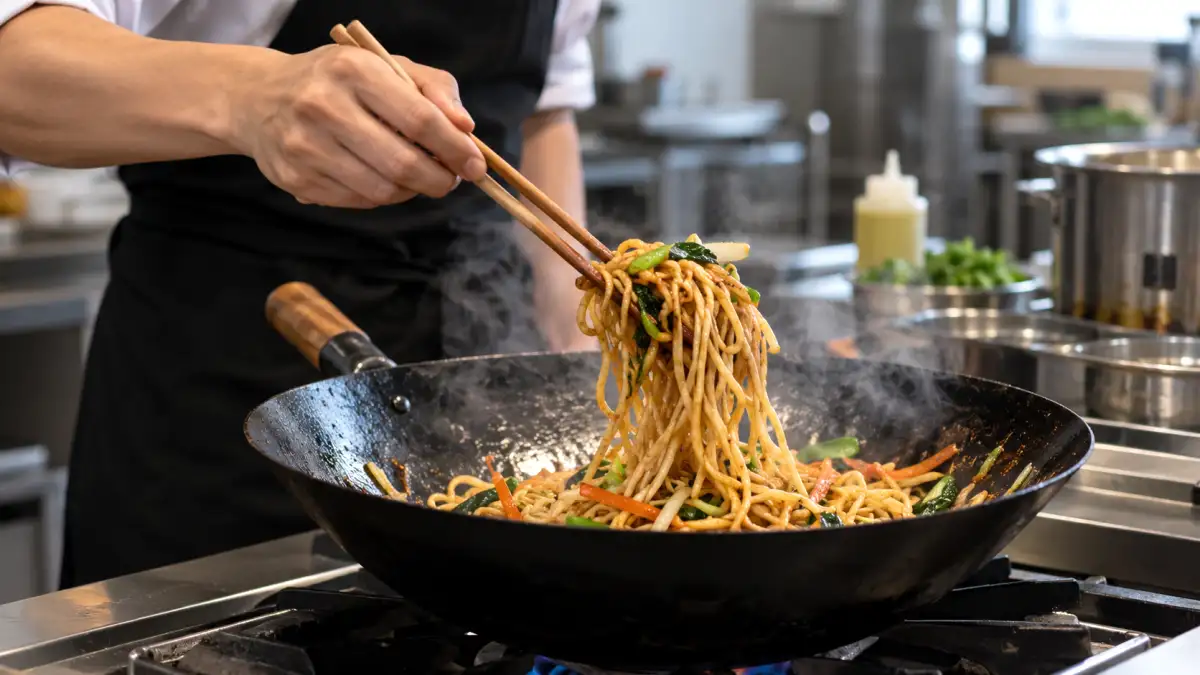
With one pair, you can beat eggs, separate noodles, flip small pieces of food and arrange a plate with surprising precision. The trick is knowing which tasks chopsticks make easier and when a spatula or tongs are still the safer choice.
Here are the practical ways to put this simple utensil to work, even if you're new to cooking with chopsticks.
First, choose cooking chopsticks rather than table chopsticks
Bamboo or untreated food-safe wood is useful for everyday mixing and handling delicate foods; specialized heat-resistant tools are better suited to prolonged frying. Choose a comfortable, non-slip pair, check its heat rating, and avoid painted or disposable chopsticks near high heat.
Beat eggs and make delicate omelets
For a quick meal, try a simple omelette and use the chopsticks to lift and fold the edges as the eggs set, provided the pan is not too hot for your utensils.
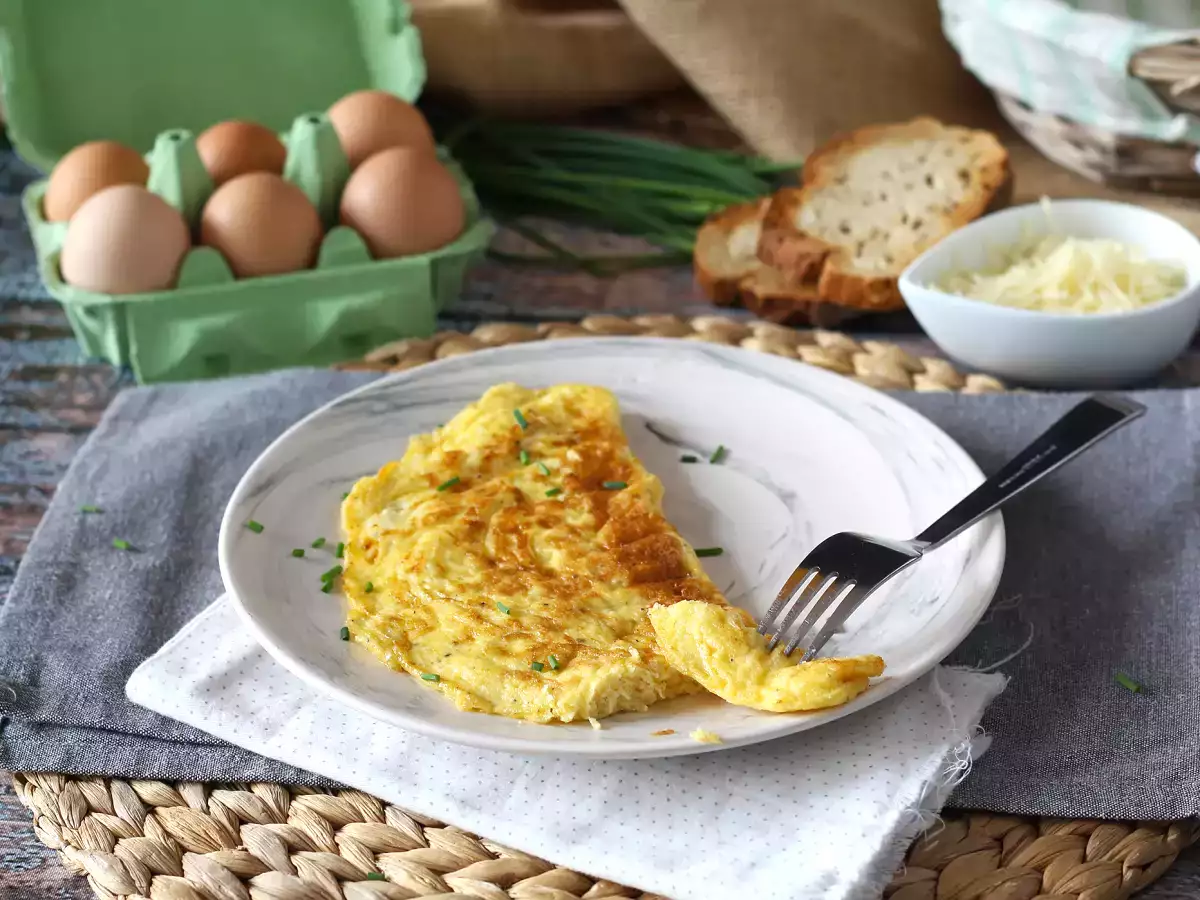
Heat up your frying pan and make your best omelette in no time! Nothing is better or easier to make than an omelette for breakfast, brunch, or simply for lunch, served with a salad for a balanced meal ready in just a few minutes. For an even more...
Toss noodles without breaking them
For stir-fries, use a pair suitable for cooking temperatures, lift noodles in small batches and keep your hands back from steam and splattering oil.

Love Chinese cuisine? Try making it at home with our Chow Mein recipe! It combines Chinese noodles, chicken, ginger, and vegetables to make a complete, balanced, and easy-to-prepare dish. Tested and approved by the entire Ptitchef team, here are the...
Flip small ingredients with precision
They are especially useful when you need to adjust just one ingredient in a crowded pan. For heavier cuts of food, use sturdy tongs instead.
Handle dumplings and delicate food
Try them when preparing Asian-inspired dumplings at home.

If you've been to Réunion Island, you've surely tasted Reunionese bouchons! These dumplings are made with meat wrapped in soft dough and steamed. Traditionally, they're enjoyed with spicy samosas, creating a perfect balance for your taste buds. We...
Stir, mix and separate ingredients
They are not the best option for thick dough or big batches: a spoon, spatula or whisk will be more efficient.
Use them cautiously for frying
For large pieces, splashing oil or unstable food, choose proper heat-resistant tongs or a spider strainer. Never use a pair that becomes slippery or too hot to hold.
Plate dishes like a restaurant
Keep separate clean serving chopsticks on hand, especially for ready-to-eat dishes. The goal is a tidy presentation without excessive handling.
Other handy tricks worth trying
Test tenderness: gently press a cooked vegetable to judge whether it offers resistance, without relying on this method to check food safety.
Guide food into a bowl: keep portions neat when transferring slippery noodles.
Mix dressings: stir small quantities of oil, vinegar and seasonings in a cup.
For testing the safe cooking of meat, poultry or fish, use a food thermometer rather than chopsticks.
Avoid these common mistakes
Do not cross-contaminate: change or wash utensils between raw and cooked ingredients.
Do not use chopsticks to grab heavy or unstable pots, or to handle oil-soaked food if your grip is insecure.
Do not confuse precision with safety: chopsticks complement spatulas, tongs, ladles and thermometers rather than replacing them.
Frequently asked questions
They are commonly called saibashi, and are longer than regular eating chopsticks.
Can chopsticks replace a whisk?
For eggs and small portions of sauce, yes. For large batches or mixtures that need a lot of air, a whisk works better.
Are bamboo chopsticks safe for frying?
Only when designed for cooking and used according to the maker's heat instructions. Purpose-made frying utensils are preferable for extended contact with hot oil.
Can I cook pasta with chopsticks?
Yes. They are especially useful for separating strands, lifting noodles and tossing them with sauce.
How do I clean cooking chopsticks?
Wash promptly with warm soapy water, rinse and dry thoroughly. Follow the product's care instructions and replace damaged utensils.
A small tool that does more than you think
Start with easy tasks, choose a pair made for cooking, and keep your regular tongs and spatula nearby for situations that need more strength or heat protection.

Comments