Why does seafood soup turn cloudy or bitter? The secrets to a flavorful broth
Wednesday 25 November 2026 10:00 - Patricia González
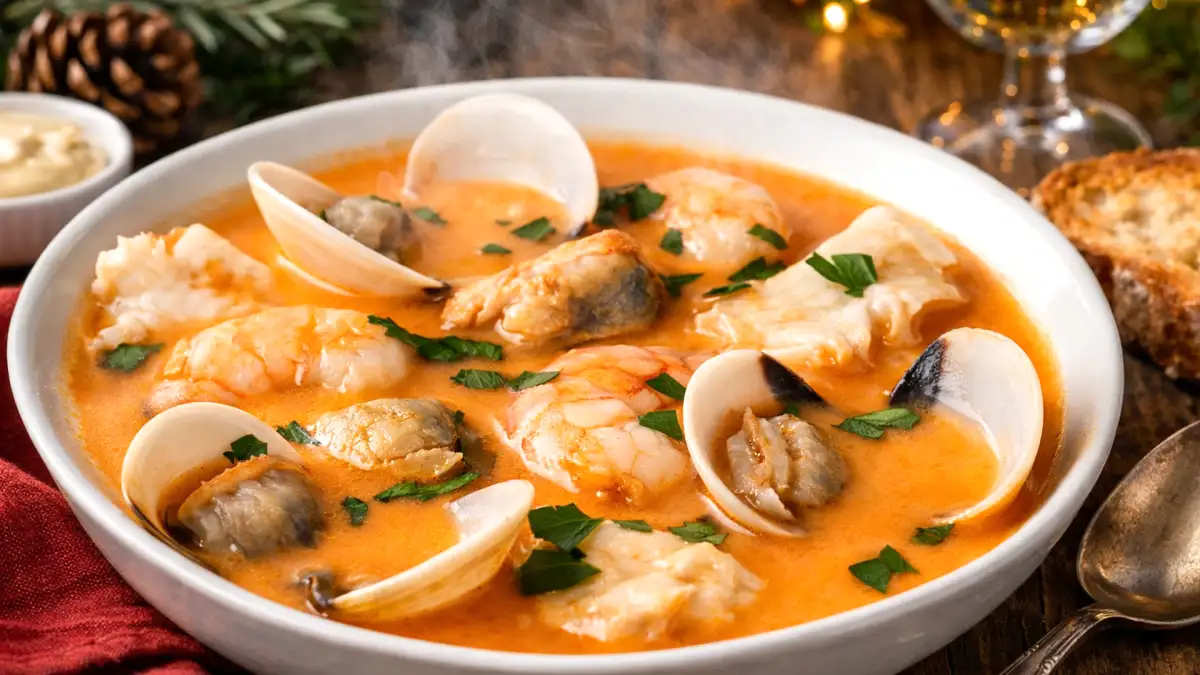
The surprising part is that adding more seafood won't necessarily fix it. What really matters is how you build the broth, control the heat and time the final ingredients. There are two delicious directions you can take: a delicate, clear seafood soup or a richer, deeper-flavored bisque. Here's how to choose between them and avoid the mistakes that can spoil either version.
1. First, decide between a clear soup and a rich bisque
A clear seafood soup starts with a gently simmered stock made from fish bones, shrimp shells and vegetables. The liquid is strained, then pieces of fish or seafood are added near the end. The result is light, aromatic and ideal when you want the seafood itself to shine.
A bisque-style soup takes a different route. Shrimp or lobster shells are sautéed to develop deeper flavor, often with tomato and aromatics. The mixture is then simmered and carefully strained, with cream sometimes added for a velvety finish. Different bisque recipes use different techniques, so follow the method you choose.
Neither style is automatically better. Think about whether you'd prefer a light starter or a more substantial, intensely flavored bowl.
2. Make the most of fish bones and shrimp shells
The most flavorful seafood soups often begin with ingredients that might otherwise be discarded. Clean shrimp shells, heads and bones from mild white fish can create an aromatic base without requiring expensive seafood for the entire pot.
Ask your fishmonger for bones suitable for stock, and have the gills and traces of blood removed from fish heads. These can introduce unpleasant flavors. Avoid using fish that smells spoiled or scraps that haven't been kept properly chilled.
For a balanced stock, add onion, celery, fennel or leek. Keep the vegetables simple rather than burying the seafood under too many strong herbs. In American kitchens, shrimp is the familiar name; British recipes may use prawns. Both can provide excellent shells for stock.
3. Keep the broth at a gentle simmer
A vigorous rolling boil can break up delicate particles and leave the liquid cloudy. It may also make the finished soup feel heavy rather than clean and refined. Look for occasional small bubbles instead of constant churning.
For a light fish and seafood stock, about 20 to 30 minutes of gentle simmering is often enough. Long cooking doesn't necessarily make it better. Skim off any foam that rises to the surface, and avoid stirring vigorously.
Strain the finished broth through a fine-mesh sieve. For a particularly clear result, line the sieve with clean cheesecloth and let the liquid pass through without pressing hard on the solids. If clarity matters, don't blend the bones and shells into the liquid.
4. For a bisque, develop flavor before adding water
If you'd rather make a richer soup, start by sautéing clean shrimp or lobster shells in a little oil until they smell fragrant and take on color. Add shallot, garlic, a little tomato paste and perhaps thyme or a bay leaf. That initial sauté builds the savory depth associated with bisque.
Add water or unsalted stock, then simmer gently according to your recipe. Some versions include a splash of white wine or brandy, but alcohol is optional. There's no need to flambé anything at home, particularly when a simple deglazing step gives plenty of flavor.
Strain thoroughly to remove shell fragments, then adjust the soup's consistency. A little cream can make it silky if desired, but taste first. Too much cream can hide the seafood flavor you worked to develop.
5. Add the seafood you plan to eat at the end
One of the most common mistakes is putting tender shrimp, scallops or fish into the pot while the stock is being made. By serving time, they're often dry, firm or rubbery. Make the broth first, then gently cook the seafood in it.
Cut fish into reasonably even pieces and add thicker pieces before delicate shrimp or scallops, following a tested recipe. Check that the seafood is cooked safely rather than judging solely by the clock. The FDA recommends cooking most fish to an internal temperature of 145°F (63°C). Shrimp and scallops should be cooked until their flesh is firm and opaque. For clams and mussels, cook until the shells open and discard any that remain closed after cooking.
Keep the soup gently heated during this final stage. Aggressive boiling can turn delicate seafood tough surprisingly quickly.
6. How to fix a soup that's cloudy, salty or too strong
Cloudy broth? Strain it carefully through a fine sieve. You may not restore perfect transparency, but you can remove suspended solids. Next time, simmer more gently and avoid pressing the stock ingredients.
Too salty? Add a little unsalted stock or water, then taste again. Don't reduce it further, because evaporation concentrates the salt. Salt lightly during preparation and make the final adjustment after straining.
Bitter or harsh? Check whether shells or aromatics were scorched, or whether the fish heads were cleaned properly. A little dilution may soften a strong broth, but severely burned flavors are difficult to remove.
Too oily? Let the broth settle briefly and spoon off the excess fat, or chill it safely and remove the solidified fat before reheating. For a flat-tasting soup, try a little fresh lemon zest or a squeeze of lemon right before serving.
7. Make the base ahead and store it safely
Seafood stock is a great thing to prepare before a dinner party. Make and strain the broth ahead, then cook the seafood when you're ready to serve. This keeps shrimp and fish from sitting in hot liquid for too long.
Cool the cooked broth promptly in shallow containers and refrigerate it at 40°F (4°C) or below. As a practical food safety guideline, refrigerate leftovers within two hours, and use refrigerated cooked seafood dishes within three to four days or freeze them promptly. If you know you won't use the broth soon, freezing the strained base is a convenient option.
When serving, bring the broth back to a safe temperature, cook the fresh seafood thoroughly and finish with herbs or a little citrus. Whether you choose a clear soup or a silky bisque, gentle heat, clean ingredients and careful timing are the details that make a bowl worth sharing.

Trained in journalism and audiovisual communication, I bring experience in teaching and hospitality to Petitchef, exploring everything from family recipes to surprising flavour pairings.
Comments