Homemade whipped cream keeps falling flat? Here's how to make it last until dessert
Tuesday 24 November 2026 21:00 - Adèle Peyches
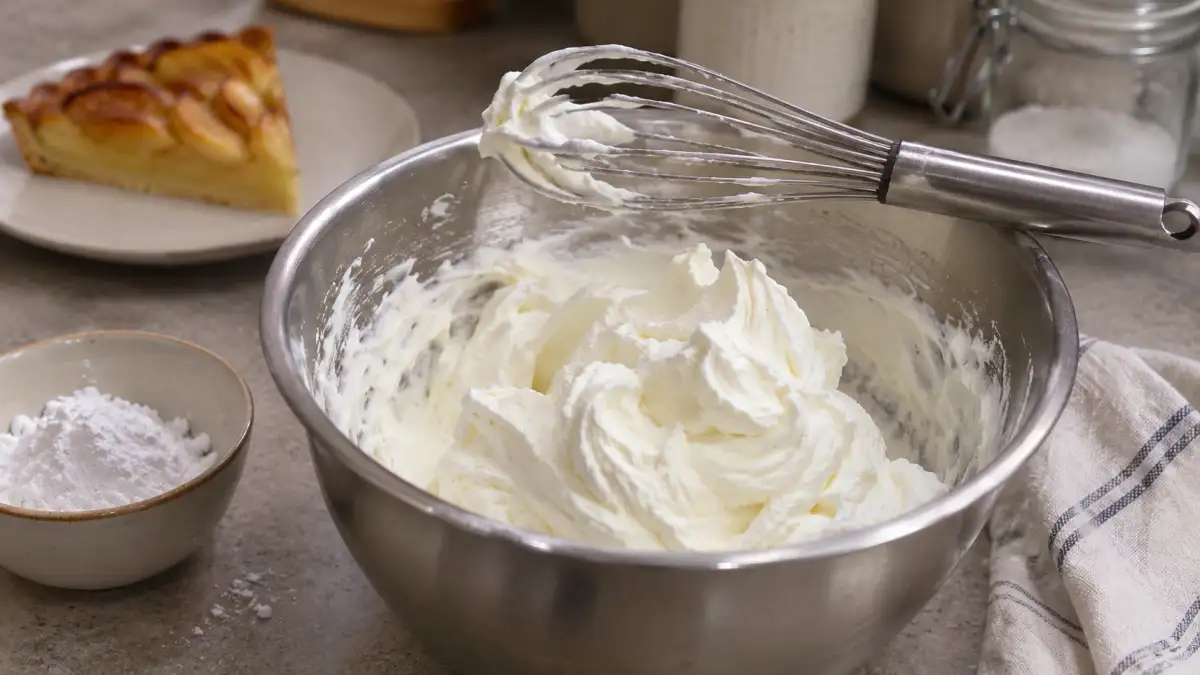
Here's the good news: homemade whipped cream doesn't have to be a last-second gamble. The right cream, a cold bowl and a little attention while mixing can make a big difference. And when you need decorations to hold their shape for several hours, there are a few clever ways to give them extra support.
Let's look at what works, what doesn't and how to keep your whipped cream lovely until it's time for dessert.
1. Choose cream with enough fat to whip
The first mistake happens in the grocery store. Whole milk isn't the same as whipping cream, and pouring ordinary milk into a mixer won't give you a bowl of fluffy peaks.
In the US, look for heavy cream or heavy whipping cream, which contains at least 36% milk fat. Regular whipping cream, generally around 30% to 36% fat, also whips, although the result may be less sturdy. In the UK, whipping cream and richer double cream are both useful, but double cream can thicken quickly, so watch it closely.
Check the carton rather than relying on a familiar name. If your recipe specifies a particular cream, use that type whenever possible. Low-fat substitutes rarely behave the same way.
2. Keep the cream and equipment cold
Warm cream is much harder to whip into a stable foam. Refrigerate the cream thoroughly before you begin, ideally for several hours. A chilled mixing bowl and beaters can help too, especially if your kitchen is warm from holiday cooking.
You don't need to freeze the cream. Just keep it cold until the moment you're ready to whip. A metal bowl chilled briefly in the refrigerator is a handy option.
If the mixture refuses to thicken, check that you're using real whipping cream with sufficient fat. If the cream has warmed up, refrigerate the bowl before trying again. Mixing endlessly at high speed won't fix the wrong ingredient, and it can make the texture worse.
3. Know when to stop the mixer
Begin at a moderate speed, then adjust as the cream thickens. Watch for the difference between soft peaks and firm peaks: soft peaks gently curl over when you lift the whisk, while firmer peaks hold their shape more confidently.
For a spoonful alongside berries or pie, soft peaks are often perfect. For piping rosettes onto a Christmas Yule log, you may want a firmer finish, provided you stop before the mixture turns grainy.
That last stage happens quickly. Overwhipping can cause the cream to separate into buttery clumps and liquid. If you notice it becoming slightly rough, stop immediately. It's much easier to prevent that problem than to repair a fully separated batch.
4. Add sugar and vanilla without making it runny
Powdered sugar, called icing sugar in the UK, blends smoothly into whipped cream. For 1 cup (240 ml) of cream, start with about 1 to 2 tablespoons of powdered sugar, then adjust to the dessert you're serving. Sweet pie or chocolate cake may need only a little sweetness in the topping.
Add the sugar and vanilla as the cream starts to thicken, or follow your recipe's method. A small splash of vanilla extract is usually enough. Adding lots of liquid flavoring can loosen the mixture, so keep additions modest.
If you're decorating a cake for a crowd, make a small test batch first. You'll quickly find the sweetness and texture that suit your favorite dessert.
5. Use a stabilizer when you need extra staying power
Plain whipped cream is wonderful when served soon after making it. But for a dessert that needs to stand in the refrigerator for several hours, stabilized whipped cream may be the easier choice.
A little mascarpone can make the topping richer and more supportive, although it also changes the flavor and mouthfeel. Commercial whipped cream stabilizers are another option. Follow the package directions carefully rather than adding extra by guesswork.
Some recipes use gelatin or another thickener, but each method has its own quantities and preparation steps. Choose a tested recipe if you want a very firm piped finish. Stabilizing helps the texture; it doesn't make dairy safe to leave unrefrigerated.
6. Decorate cold desserts, not warm ones
A perfectly whipped bowl of cream can lose its shape as soon as it touches a warm cake. Let cakes, pies and other baked desserts cool completely before adding a whipped topping.
For hot chocolate, waffles or warm apple pie, spoon the cream on immediately before serving. A little melting may be delicious, but it's not what you want if you're trying to keep decorative peaks intact.
If you're piping cream onto a Yule log or a chilled cheesecake ahead of time, use a stable mixture and return the finished dessert to the refrigerator promptly. Leave enough space above the decoration so a lid or covering doesn't crush it. Small details like these protect all your careful piping.
7. Refrigerate whipped cream safely until serving
Whipped cream is a perishable dairy product. Keep it refrigerated at 40°F (4°C) or below in a clean, covered container until you're ready to use it. Make it close to serving time when possible, and follow the storage directions for the ingredients and any stabilizer you've used.
At a buffet, bring out smaller portions and replenish them from the refrigerator. As a general US food safety rule, perishable foods shouldn't remain at room temperature for more than two hours, or one hour when temperatures are above 90°F (32°C).
If cream has been handled or stored unsafely, discard it. An airy appearance or pleasant smell doesn't prove that a dairy dessert is safe to eat.
8. What if your whipped cream won't hold its shape?
If the cream stays liquid, start by checking the carton. Is it actually whipping cream, and was it cold? If the mixture is simply a little soft, chilling it briefly may help before you whip it a touch more.
If you've gone too far and the mixture looks slightly grainy, stop the mixer. In the earliest stages, gently folding in a small amount of cold, unwhipped cream may improve the texture, but fully separated cream won't return to a perfect fluffy topping just because you add sugar.
For your next dessert, remember the simple formula: high-fat cream, cold equipment, careful whipping and prompt refrigeration. Add a suitable stabilizer when you need long-lasting decorations. That way, you can enjoy Christmas dinner without worrying about whether the whipped cream will still be standing when the cake arrives!

Editorial Manager of Petitchef’s French edition, Adèle is passionate about food and gastronomy. A former culinary tour guide in Bordeaux, she explores food traditions worldwide, seasonal ingredients and shares her discoveries through recipes and practical advice.
Comments