Do you eat black line shrimp? Find out what you might be eating without knowing it
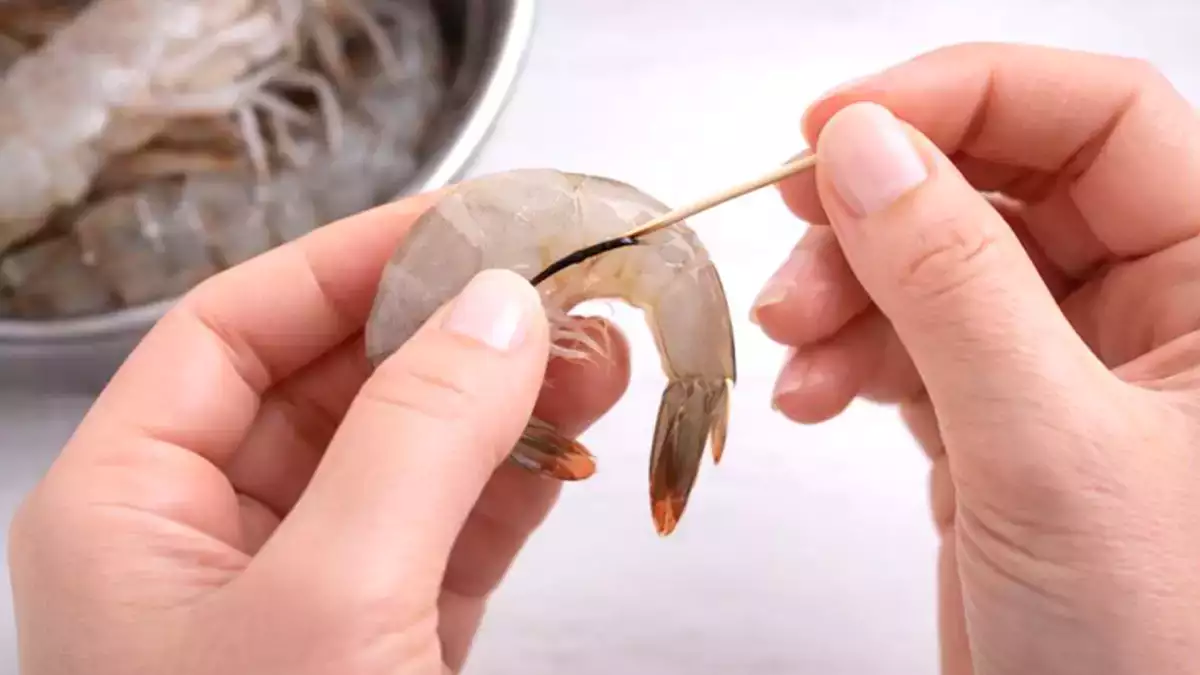
Have you ever come across that dark line on the back of a shrimp while cleaning it and wondered: is that dirty? Is it bad for you? Do you really need to remove it?
This question is more common than it seems and the answer is not as simple as "yes" or "no". Anyone who cooks shrimp needs to understand what this line really is, and what happens if it ends up directly on the plate.
What exactly is that black line on the shrimp?
Despite its unappetizing appearance, this "black line" is not a vein or blood, as many people believe. It's actually the shrimp's digestive tract, its intestines. This is where the remains of the food and waste it ingested before being caught are kept.
This line can be full, visible and dark, or almost empty, appearing as an almost transparent thread. The variation depends on how long the shrimp didn't eat before being collected.
To eat or not to eat: that is the question
From a technical point of view, eating black line is not dangerous for your health, especially if the shrimp has been well preserved and cooked properly. Most of the residue inside is eliminated with heat.
But there is an important detail: the line can contain grains of sand, micro-organisms or a bitter taste that affects the texture and flavor. For this reason, many chefs and cooks prefer to remove it.
What if you don't take it off?
If the line is full, the shrimp will probably have a slightly earthy or bitter taste after cooking. In addition, the appearance can be annoying, especially in more refined recipes or for those who are more sensitive to visual details in their food.
In a nutshell:
- Visually: it can look dirty or poorly prepared
- In terms of taste: it can make the dish less delicate
- Health-wise: it poses no danger if the shrimp is fresh and well-cooked
When taking it off is worth it
Removing the black line is quick and easy, especially if you're going to serve the shrimp grilled, sautéed or in lighter dishes. Simply make a small cut in the back and pull it out with the tip of a knife or a toothpick. Some prawns come already cleaned, but it's always a good idea to check.
And when you don't have to worry so much
If the shrimp is small or will be used in full-bodied sauces, risottos or frying, where the strong flavor of the other ingredients dominates, the line goes almost unnoticed. Many cooks don't even notice and that's fine.
You choose, but now you know what you're eating
The black line in shrimp isn't a seven-headed beast, but neither is it pure myth. Knowing what it is and what it can cause helps you make more conscious choices, whether for aesthetics, taste or practicality. If you have time, take it off. If not, cook well and enjoy. After all, what really matters is the pleasure of enjoying a well-cooked shrimp.
 Mirella Mendonça
Comments